Who we help
Who we help
Find information for your own home, a family member or a property you are responsible for.

Landlord Hoarder Clearance
Managing a rental property involves legal duties, property care and working with people.
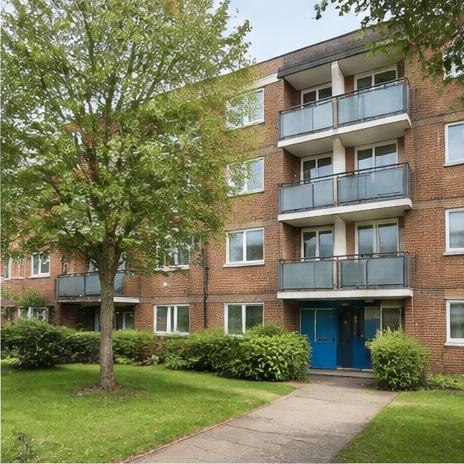
Hoarder Council House Clearance
Council house clearance calls for careful planning, legal awareness and care for the people involved.

Hoarder Housing Association Clearance
Housing associations need to balance their legal duties with care for the people living in a property.

Hoarder Clearance For Elderly People
Clearance for older people needs care, dignity and respect, as well as practical help with belongings.

Hoarder Clearance For Vulnerable Adults
Supporting adults with clearance needs calls for care, legal awareness and attention to safety.

Hoarder Clearance For Families
A large number of belongings can affect the whole family, not just the space in a home.
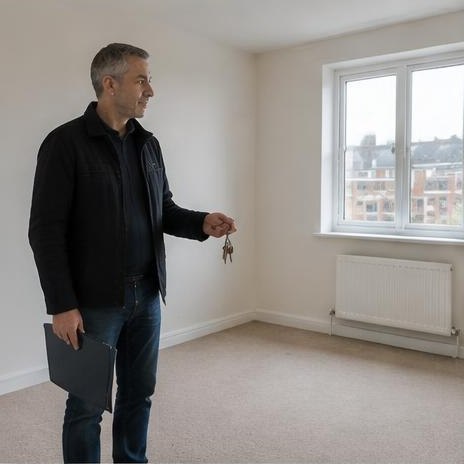
Hoarder Clearance For Landlords
Managing a rental property brings legal duties and practical decisions about belongings.
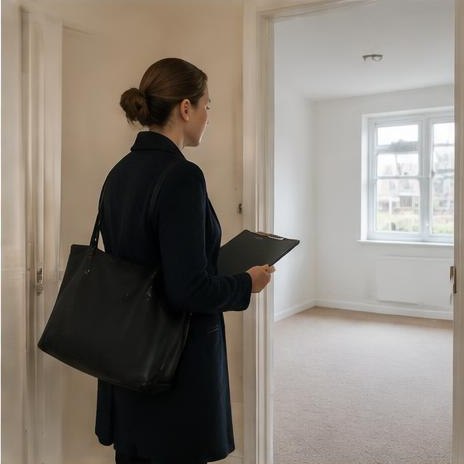
Hoarder Clearance For Housing Associations
Housing associations may need to arrange clearance where belongings limit the use of a property.
Talk through your clearance
Ready to discuss your clearance? Request a free quote or call us to talk through your requirements.
- Opening hours
Mon–Fri09:00–18:00
Sat09:00–16:00
SunClosed
- Address
- 430 Hackney Rd, London E2 6QL
United Kingdom
Start with the situation and the intended outcome
People seek clearance information for many reasons, including moving home, managing a property after a death, preparing rooms for a different use or supporting someone living with hoarding.
The useful starting point is the task and the circumstances, rather than placing someone into a fixed category.
Describe what needs to become possible after the work.
That might mean removing selected furniture, making an agreed area available or dealing with possessions left in storage.
A clear outcome helps you explain the request without sharing personal history that is unrelated to planning the clearance.
Different people may be involved in the same enquiry.
An occupier, relative, property owner or appointed representative may each hold part of the information.
Their involvement does not automatically establish authority over the property or its contents, so clarify roles before asking anyone to act on removal instructions.
For people arranging work in their own home
If you are organising clearance for yourself, you can begin with a limited description of the area concerned.
You do not need to make every decision before asking how an enquiry works.
Explain which belongings are ready to leave and which need further thought, then ask how that distinction could be recorded.
Communication and access needs can also form part of the discussion.
You might prefer written information, need extra time to consider a proposal or want a trusted person present.
Ask whether the provider can accommodate the arrangements that matter to you rather than assuming a particular approach is available.
These points can help structure an initial conversation:
- The change you want to achieve.
- Items that must remain in place.
- Decisions you are not ready to make.
- Communication or access needs to discuss.
- Anyone you want involved in planning.
For people living with hoarding, a practical description is more useful than a label or rating.
Explain the spaces involved, any concerns about access and how removal decisions will be made.
The quantity of belongings alone does not establish someone’s preferences, capabilities or support needs.
For relatives and representatives supporting someone else
When helping another person, distinguish their wishes from your own practical concerns.
Agree, where possible, what information can be shared and which decisions they want to make themselves.
Photographs and descriptions can reveal private details, so consider what is necessary before sending them to a provider.
Following a death, belongings may carry emotional significance as well as financial or practical value.
Identify documents, photographs and items requiring further discussion before arranging removal.
Where ownership or authority is uncertain, seek appropriate clarification rather than treating an empty property as permission to dispose of everything inside.
If several relatives or representatives are involved, a shared list of agreed decisions can reduce contradictory instructions.
Ask who the provider would need to contact about unresolved items.
Do not assume that the person making the first telephone call is always approved to approve every part of the work.
For property and professional contacts coordinating arrangements
Landlords, agents and professional contacts may need to coordinate access, property information and communication between several parties.
Keep those responsibilities distinct from permission to remove belongings.
Explain your role accurately and identify any decisions that require confirmation from someone else before a provider prepares a proposal.
Where wider support services are involved, clearance may be only one part of the plan.
Ask which tasks the provider can consider and which require another organisation.
Avoid assuming that a clearance appointment includes assessment, ongoing support or specialist handling unless those matters have been discussed directly.
Whatever your role, provide only the personal information needed for the enquiry.
A clear account of the work, access and decision-making arrangements is usually a better starting point than a detailed account of someone’s circumstances.
Confirm suitability directly before relying on any proposed next step.