landlord hoarder clearance
Landlord Hoarder Clearance
Explore practical considerations for this clearance and contact us with questions about your property.
What this usually looks like
Managing a rental property in the United Kingdom requires a balance of legal knowledge, property maintenance, and interpersonal skills. However, one of the most challenging situations a property owner can face is discovering that a tenant has been living in conditions of chronic accumulation. A landlord hoarder clearance is not a standard end-of-tenancy waste removal; it is a specialist operation that requires sensitivity, legal compliance, and technical expertise.
When a tenancy ends and reveals a hoarded rental clearance is necessary, the scale of the task can be overwhelming. From blocked fire exits to structural damage hidden beneath layers of possessions, the risks are multifaceted. Professional support ensures that the property is returned to a manageable state while respecting the dignity of the former occupant and adhering to UK waste regulations.
A landlord hoarder clearance is the professional process of removing large volumes of accumulated items, waste, and debris from a rental property after a tenant with hoarding behaviours has vacated. This service focuses on restoring the property’s safety and accessibility while ensuring all materials are handled via responsible waste disposal channels and in compliance with environmental laws.
- Safety First: Prioritise the identification of fire hazards, structural weaknesses, and biohazards.
- Legal Compliance: Ensure all actions align with the Landlord and Tenant Act and local waste regulations.
- Discreet Operations: Professional teams use unmarked vehicles and sensitive protocols to protect privacy.
- Resource Recovery: Sorting items to ensure that recycling and donations are prioritised over landfill.
- Documentation: Detailed reporting for insurance claims, deposit disputes, or legal proceedings.
- Specialist Equipment: Using PPE and industrial-grade tools to manage heavy accumulation safely.
The Complexity of Landlord Hoarding Clear-up
A landlord hoarding clear-up differs significantly from a standard house clearance due to the volume of material and the potential for underlying property damage. In many cases, the sheer weight of accumulated items can put stress on floor joists or hide long-term damp issues that have gone unnoticed for years.
As a landlord, your primary goal is to reclaim your investment and make it fit for habitation again. This requires a methodical approach that goes beyond simply "throwing things away." Every item must be assessed, and the property must be cleared in a way that prevents further damage to the structure or fixtures.
Understanding the Risks Involved
Entering a hoarded property without professional support poses several risks. These are not just logistical; they are often health-related and structural. Severe hoarding clearance professionals are trained to identify these hazards before they cause injury or long-term liability for the property owner.
- Fire Hazards: Paper, textiles, and cardboard piled high create a significant fire load, often blocking escape routes and ventilation.
- Biological Risks: In cases of "wet hoarding," trapped moisture can lead to severe mould growth, or the presence of expired food may attract pests.
- Trips and Falls: Navigating narrow "goat paths" through a property is dangerous for anyone not trained in site safety.
- Hidden Structural Damage: Leaks from pipes or roofs often go undetected when covered by clutter, leading to rot and decay.
The Emotional Dimension of Property Clearance
While the legal relationship is between a landlord and a tenant, the human element cannot be ignored. Hoarding is a recognised mental health condition. Even if the tenant has already left, the process of hoarded rental clearance should be handled with a level of discreet professionalism that maintains the dignity of the situation.
Our approach at Hoarder Clearance is built on this foundation of empathy. We understand that for a landlord, this is a business crisis, but for the former tenant, it was their life. By acting as a professional buffer, we help de-escalate the stress for all parties involved.
Legal Obligations and the Clearance Process
Before beginning a landlord hoarder clearance, it is vital to ensure you are on the right side of UK law. Under the Torts (Interference with Goods) Act 1977, landlords have a duty of care towards a tenant's belongings, even if they appear to be "waste."
A formal notice must usually be served to the tenant, giving them a reasonable timeframe to collect their possessions. Only after this period has expired—and ideally after seeking legal advice—should a full clearance proceed. Documenting the state of the property before and after the hoarded rental clearance is essential for any potential claims against a tenancy deposit or through the courts.
Navigating Waste Management Regulations
In the UK, the "Duty of Care" legislation means that as a property owner, you are responsible for ensuring that waste from your property is disposed of by a licensed carrier. If a "man with a van" fly-tips the contents of your hoarded rental, you could be held legally and financially liable.
We provide full transparency by using registered waste carriers and providing waste transfer notes. This ensures that the responsible waste disposal process is fully documented, protecting you from future litigation or fines from local authorities.
Key Documentation for Landlords:
- Waste Transfer Notes (WTNs): Proof of where the waste was taken and how it was processed.
- Inventory of Items: A list of any items of potential value found during the clearance.
- Photo Evidence: High-quality images showing the extent of the accumulation for insurance or legal records.
- Certification of Disposal: Confirmation that hazardous materials (like electronics or chemicals) were handled correctly.
Ready to discuss your clearance? Request a free quote or call us to talk through your requirements.
Step-by-Step Guide to a Successful Clearance
The journey to restore a property begins with a clear plan. We recommend a structured approach to ensure nothing is missed and the property is cleared as efficiently as possible.
Phase 1: Professional Assessment
We start by evaluating the volume and type of material. This isn't just about the number of van loads; it’s about identifying what requires specialist handling. Is there furniture that can be donated? Are there electronics that fall under WEEE (Waste Electrical and Electronic Equipment) regulations? Understanding the landscape allows for a more accurate quote and timeline.
Phase 2: Sorting and Resource Recovery
A landlord hoarding clear-up is most effective when it follows a "sort at source" methodology. Our teams work through the property room by room, separating items into categories: recycle, donate, and dispose. This reduces the environmental impact and often reduces disposal costs for the client.
We look for items of sentimental or financial value that may have been lost in the clutter. For example, in probate clearance or deceased estate clearance scenarios, we often find important legal documents or jewellery hidden in unexpected places.
Phase 3: The Removal Process
Once sorted, the items are removed from the premises using discreet methods. We aim to cause minimal disruption to neighbours, which is particularly important in blocks of flats or close-knit terraced streets. Our goal is to make the hoarded rental clearance as low-profile as possible.
Phase 4: Post-Clearance Inspection
Once the floorboards are visible, we conduct a thorough check of the property's condition. This is the moment where we can identify structural issues that were previously hidden. We provide a clear report on the state of the walls, floors, and utility points, allowing you to plan the next steps of refurbishment.
Costs and Financial Considerations
The cost of a landlord hoarder clearance can vary significantly based on several factors. It is an investment in reclaiming the utility and value of your property. Attempting a DIY clearance often results in higher costs due to vehicle rentals, tipping fees, and the sheer amount of time required.
Factors Influencing the Price
- Volume of Material: Typically measured by the weight or the number of cubic yards of waste.
- Access Challenges: Properties on high floors without lifts or those with restricted parking will require more labour.
- Hazardous Materials: The presence of chemicals, paints, or biological waste requires specialist disposal routes.
- Level of Sorting: Highly detailed sorting to find specific items will increase the time spent on-site.
We recommend contacting us for a bespoke quote. By providing a clear breakdown of costs, we ensure there are no surprises, allowing you to budget effectively for the restoration of your rental asset.
Insurance and Deposit Recovery
Many landlords find that the cost of a landlord hoarding clear-up exceeds the value of the tenancy deposit. Having a professional invoice and a detailed waste report is crucial when presenting a case to the Deposit Protection Service (DPS) or other schemes. In some instances, landlord insurance policies may cover the cost of "malicious damage" or "unauthorised alterations," which hoarding can sometimes fall under.
Working with Specialist Teams
Why choose a specialist for landlord hoarder clearance rather than a general waste removal company? The difference lies in the expertise and the approach. A general team may be overwhelmed by the scale or lack the discreet protocols necessary for sensitive residential areas.
Our teams are trained specifically in severe hoarding clearance. They understand how to move through unstable piles of items safely and how to handle the emotional weight of the project. We offer more than just muscle; we offer a manageable solution to a complex problem.
Specialist Services Offered:
- Furniture Removal: Safe extraction of bulky items that may be blocked by smaller clutter.
- Deceased Estate Clearance: Handling properties with the extra care required when a tenant has passed away.
- Abandoned Property Clearance: Quickly clearing homes where tenants have left behind all their possessions.
- Biohazard Awareness: Identifying and flagging areas that require specialist decontamination after the clearance is complete.
For more information on the types of environments we handle, you can view our Hoarder Clearance services page, which details our comprehensive approach to property restoration.
Health and Safety Protocols
In a landlord hoarding clear-up, health and safety are not just checkboxes; they are the foundation of the work. We adhere strictly to Health and Safety Executive (HSE) guidelines to protect our staff, our clients, and the public.
Every project begins with a dynamic risk assessment. This identifies potential "avalanche" risks from tall stacks of items, as well as sharp objects or compromised flooring. Our teams use appropriate Personal Protective Equipment (PPE), including gloves, masks, and reinforced footwear, to ensure they can work effectively without injury.
Environmental Responsibility
We are committed to responsible waste disposal. A significant portion of what is removed from a hoarded home can often be diverted from landfill. Paper, cardboard, and metals are sent for recycling. We also work with local charities to donate usable furniture and clothes, ensuring that the clearance has a positive social impact where possible.
Common Challenges in Hoarded Rental Clearance
Every property is unique, but certain themes recur in landlord hoarder clearance projects. Being aware of these challenges can help you prepare for the process.
The "Void" Period
As a landlord, every day the property sits empty is a day of lost revenue. A professional clearance team works much faster than an individual, significantly shortening the "void" period. Our goal is to clear the space rapidly so that contractors can begin repairs and new tenants can be found.
Neighbour Relations
Long-term hoarding often impacts neighbours, whether through smells, pests, or concerns about fire safety. A professional, respectful clearance can help mend these relationships by showing that the landlord is taking decisive, responsible action to restore the property.
Pest Infestations
Clutter provides the perfect environment for rodents or insects to thrive. During the landlord hoarding clear-up, we remain vigilant for signs of infestation. While we focus on the clearance, we can advise on the necessity of pest control support once the items are removed.
Preparing for the Clearance
If you have identified a property that requires a landlord hoarder clearance, there are a few steps you can take to make the process smoother:
- Verify the Legal Status: Ensure the tenancy has officially ended and you have the legal right to enter and clear the property.
- Secure the Building: Check that utilities are turned off if there are leaks or fire risks, provided it is safe to do so.
- Take Initial Photos: Document the "as-found" state for your records.
- Communicate with Neighbours: Let them know that a professional team will be on-site to resolve the issue, which usually provides great relief.
- Contact the Specialists: Call in a team that understands hoarded rental clearance to provide an assessment.
The Benefits of Professional Support
Choosing a professional landlord hoarder clearance service provides peace of mind that cannot be matched by DIY efforts. It transforms a daunting, high-risk situation into a structured, professional project.
By using a specialist service, you ensure that the property is treated with dignity, the waste is handled with responsibility, and the final result is a clear, manageable space ready for its next chapter. You are not just clearing "stuff"; you are restoring the value and safety of your property.
Long-Term Property Maintenance
Once the clearance is complete, it is an ideal time to implement more frequent property inspections. This helps in early identification of any recurring hoarding behaviours if the tenant is staying, or ensures that new tenants maintain the property to the required standard. A landlord hoarder clearance is often the first step in a broader strategy of proactive property management.
What it costs
Every property is different — we quote after a free assessment
Book a free assessmentLast updated

Your next steps
How to arrange clearance
Step 1: Tell us what you need
Share the property type, location and what you would like help removing.
Step 2: Discuss the details
Ask about access, belongings you want to keep and any concerns about the visit.
Step 3: Review the arrangements
Clarify the proposed scope, timing and quote before deciding how to proceed.
Step 4: Prepare for the visit
Identify items to keep and check the agreed access arrangements.
Frequently asked questions
A standard clearance usually involves removing a set number of items, such as furniture or end-of-tenancy waste. A landlord hoarder clearance involves much higher volumes of material, often requiring specialist sorting, PPE, and a deeper understanding of health and safety risks. It also focuses on discreet and compassionate handling of the situation.
Article recap
Legal Obligations and the Clearance Process
Before beginning a landlord hoarder clearance, it is vital to ensure you are on the right side of UK law.
Return to source sectionStep-by-Step Guide to a Successful Clearance
A landlord hoarding clear-up is most effective when it follows a "sort at source" methodology.
Return to source sectionCosts and Financial Considerations
The cost of a landlord hoarder clearance can vary significantly based on several factors.
Return to source sectionHealth and Safety Protocols
In a landlord hoarding clear-up, health and safety are not just checkboxes; they are the foundation of the work.
Return to source sectionPreparing for the Clearance
If you have identified a property that requires a landlord hoarder clearance, there are a few steps you can take to make the process smoother:
Return to source sectionRead also
 Hoarder Housing Association Clearance
Managing a property affected by chronic accumulation requires a specialized approach that balances legal obligations with human compassion.
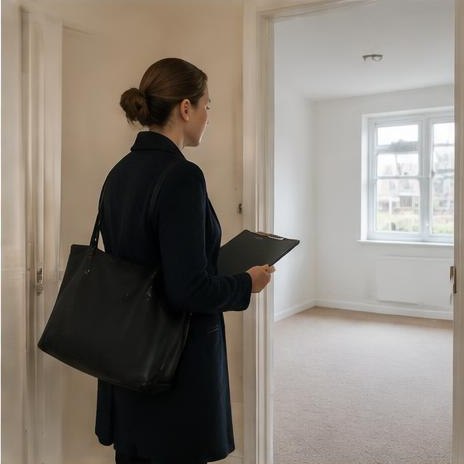 Hoarder Clearance For Housing Associations
Hoarder clearance for housing associations is a specialist professional service designed to manage properties affected by chronic clutter and excessive accumulation.
 Hoarder Clearance For Vulnerable Adults
Supporting individuals who struggle with chronic accumulation requires more than just a removal team; it necessitates a specialized approach rooted in empathy, legal awareness, and physical safety.
 Hoarder Clearance For Elderly People
Managing a hoarder clearance for elderly people is a deeply sensitive process that requires more than just physical labour; it demands a specialist approach rooted in empathy, dignity, and professional expertise.
 Hoarder Clearance For Families
When a home becomes overwhelmed by the accumulation of possessions, the impact extends far beyond the physical walls of the property.
You may also like
 Can Hoarder Clearance Companies Remove Hazardous Waste
A professional hoarder house clearance involves much more than simply removing unwanted furniture or old newspapers.
 Hoarder Property Restoration
Hoarder property restoration is the specialist process of returning a home affected by chronic accumulation to a safe, functional, and habitable condition.
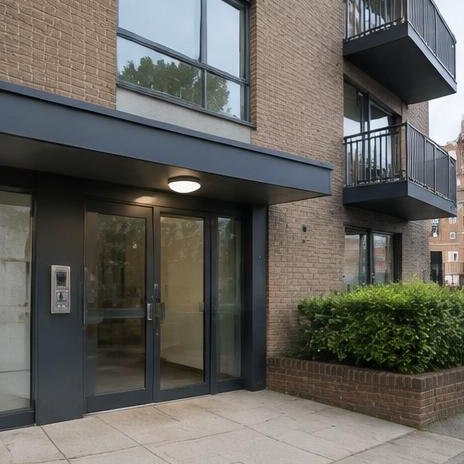 Hoarder Clearance Tower Hamlets
A professional hoarder clearance Tower Hamlets service provides a specialist, compassionate, and structured approach to clearing properties affected by chronic accumulation.
 Hoarding clearance
 means planning the agreed removal of accumulated belongings while respecting personal decisions, privacy and access.
 Hoarder Clearance Hammersmith And Fulham
When a property becomes overwhelmed by accumulated possessions, waste, or long-term clutter, the task of clearing it can feel insurmountable.
Talk through your clearance
Ready to discuss your clearance? Request a free quote or call us to talk through your requirements.
- Opening hours
Mon–Fri09:00–18:00
Sat09:00–16:00
SunClosed
- Address
- 430 Hackney Rd, London E2 6QL
United Kingdom