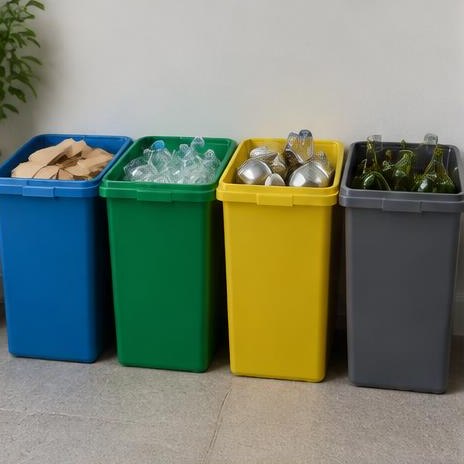
Disposal means arranging an appropriate destination for items not retained or reused. In hoarding clearance, it is a distinct decision about where those items go and how their transfer is managed. It should not be used as a vague label for every item leaving a property, because return, donation and other forms of reuse have different purposes. A sound disposal discussion identifies the material, checks the proposed route and asks what evidence or specialist input may be appropriate.
Establishing which items are actually for disposal
Before a disposal route is arranged, the scope needs to be clear. An item awaiting a decision is not necessarily an item approved to leave permanently. Nor does a box placed near an exit automatically communicate an agreed destination. Ask how the provider distinguishes retained belongings, items being considered for reuse and items specifically approved for disposal.
For example, a damaged dining chair might be approved for disposal while a similar chair beside it is being kept for repair. The provider needs an identification method that reflects that distinction rather than treating both as one category. A list, agreed labels or a review with the relevant decision maker may help, depending on the task. Ask what happens if labels are missing or an item does not match the description. The purpose of this stage is not to reconsider every settled decision indefinitely, but to make sure that disposal follows an actual instruction rather than a convenient assumption about appearance, location or condition.
Understanding the proposed destination
Knowing that belongings will be ‘taken away’ does not explain their destination. Ask the provider to describe the intended route in ordinary language, including whether items go directly to a receiving facility or pass through another operator. Materials may follow different routes, and a broad claim about responsible handling should be supported by a practical explanation of what is proposed.
For example, a collection containing a damaged mattress, broken furniture and electrical equipment may not have a single suitable destination. Ask how those categories will be dealt with and whether any proposed destination is conditional on inspection or acceptance. Avoid assuming that a named process applies to every part of a mixed collection. If the provider cannot yet confirm a route, ask when that information will become available and what alternatives would be considered. This gives the person arranging the work a meaningful choice before transfer, rather than leaving the destination as an unexplained detail after the belongings have already left.
Ready to discuss your clearance? Request a free quote or call us to talk through your requirements.
Distinguishing recycling from reuse and other routes
Reuse keeps an item in use, while recycling concerns recovering materials through a suitable process. They are not interchangeable descriptions, and neither should be assumed merely because an item is collected separately. Ask providers to explain what they mean when discussing recovery, recycling or disposal, particularly if those terms influence the choice of service.
For example, an unusable metal bed frame might be considered for material recovery rather than offered as furniture for another household. A padded chair from the same room may require a different route. Ask whether the provider’s claims refer to the specific items, a general working practice or an intention subject to receiving-site acceptance. Avoid treating an aspirational statement as confirmation of the eventual outcome. It is also reasonable to ask how items rejected from a proposed route would be handled and whether further approval would be sought. Clear language helps distinguish a confirmed destination from a possible one without requiring the customer to become a materials specialist.
Asking about items needing separate assessment
Some items raise questions that a general collection description cannot answer. Examples include unidentified liquids, damaged batteries, sharp objects and equipment containing materials that require particular handling. These are reasons to ask about provider competence, assessment and appropriate routes, not to attempt identification, dismantling or treatment without suitable expertise. Explain what is known without guessing at the contents or condition.
For example, a cupboard might contain unlabelled containers alongside ordinary decorating supplies. Ask whether the provider can assess them, whether a specialist service may be needed and what information can be supplied without disturbing the items. The same approach applies to electrical equipment showing damage or anything whose condition makes ordinary handling uncertain. Ask what the provider would exclude from the initial quotation and how unexpected findings affect the plan. A clear answer should explain the next professional step and who will coordinate it. It should not depend on the person receiving support carrying out potentially hazardous preparation to make the collection easier.
Checking provider arrangements and applicable permissions
Disposal can involve several parties, including the company collecting the items and the operators receiving them. Ask what checks are appropriate for the proposed service, what relevant permissions or documentation the provider can explain and how receiving arrangements are confirmed. Requirements may depend on the material, location and nature of the activity, so avoid relying on a universal statement about what every collection must involve.
For example, a provider might propose using a separate transport operator for part of a collection. Ask who is responsible for coordinating that transfer, which party supplies records and whether the destination changes. If the answers raise uncertainty about applicable requirements, seek appropriate professional advice before proceeding. A familiar vehicle or a reassuring verbal description is not a substitute for understanding the arrangement. Equally, paperwork should be relevant to the actual work rather than presented without explanation. The useful question is how the proposed chain of handling supports an appropriate, accountable destination for these particular items.
Clarifying costs, exclusions and changes
A disposal quotation is easier to understand when it separates the agreed collection from uncertain items or routes. Ask what the quoted scope includes, how material categories affect the arrangement and what could lead to a revised proposal. There is no need to assume a standard price or charging method; the important point is knowing how this provider explains its own terms.
For example, a quotation based on broken furniture may not cover containers discovered later in a locked cupboard. Ask whether the provider would pause that part of the work, assess a separate route and seek approval before adding it. Discuss what happens if a receiving facility declines an item and whether the alternative requires a new agreement. Also ask whether records, specialist assessment or additional transport are included or treated separately. Clear exclusions are useful when they prevent misunderstandings, but they should be specific enough to guide decisions. A broad statement that circumstances may change does not explain who will be consulted or what information they will receive.
Following the transfer and reviewing records
Once items leave the property, useful records can help explain what was collected and the route arranged. Ask what confirmation is available, whether it relates to the specific collection and how discrepancies can be queried. The level of detail may vary, so discuss expectations before work begins rather than assuming that an item-by-item account will automatically be supplied.
For example, someone may want confirmation that electrical items were handled separately from a general furniture collection. Ask what the provider can actually document and whether the record identifies a receiving operator, a material category or another relevant detail. Distinguish a collection receipt from evidence of a later destination; they answer different questions. If the stated route changes, ask how the change is recorded and explained. Keep any personal information in the records proportionate to their purpose. Where documentation raises questions about applicable requirements or responsibility, seek appropriate professional advice rather than treating an incomplete description as proof of either proper or improper handling.