Last updated
On this page
- Key Takeaways
- Understanding the Complexity of Garage Accumulation
- Initial Assessment and Safety Protocols
- The Step-by-Step Garage Hoarding Clearance Guide
- Responsible Waste Disposal and UK Regulations
- Restoring and Reclaiming the Space
- Managing the Emotional Impact of Clearance
- Common Challenges in Garage Clearances
- Cost Considerations for Garage Clearance
- The Importance of a Professional Approach
- Frequently Asked Questions
- Practical Tips for Maintaining a Clear Garage
A garage often starts as a functional space for a vehicle or a workshop, but over time, it can become a primary site for significant accumulation. How to clear a hoarded garage involves more than just tidying; it requires a structured approach to manage large volumes of items safely and respectfully. This process involves sorting through years of belongings, identifying structural risks, and ensuring responsible waste disposal in accordance with UK regulations.
For many, the garage becomes a "catch-all" area where decisions about items are postponed. When this accumulation reaches a level that prevents access or creates safety hazards, a professional garage hoarding clearance guide becomes essential. We understand that this task can feel overwhelming, but by breaking it down into manageable stages, you can reclaim your property and restore its functionality.
Key Takeaways
- Safety First: Always assess for structural integrity, sharp objects, and biological hazards before entering a heavily cluttered garage.
- Methodical Sorting: Use the "Categorise, Decide, Action" framework to prevent emotional fatigue.
- Legal Compliance: Ensure all removed items are handled by a licensed waste carrier to meet UK environmental standards.
- Professional Support: Recognise when the scale of the clearance requires specialist hoarder house clearance expertise.
- Discreet Operations: Prioritise privacy and dignity for the occupant throughout the entire restoration process.
- PPE Essentials: Never attempt a deep clearance without heavy-duty gloves, FFP3 masks, and sturdy footwear.
Understanding the Complexity of Garage Accumulation
Garages present unique challenges compared to interior living spaces. Because they are often unheated and less frequently visited, items stored within them are prone to deterioration from damp, mould, and pest infestations. Understanding how to clear a hoarded garage requires acknowledging these environmental factors from the outset.
Often, a garage serves as a repository for "delayed decisions." These might include old DIY materials, redundant car parts, or sentimental items moved out of the main house to make room. Over years, these layers of history compress, making the clearance a physically demanding task that requires both stamina and emotional resilience.
The Impact of Long-Term Storage
Items stored in a garage for over a decade often undergo chemical or physical changes. Rubber perishes, plastics become brittle, and paper absorbs moisture, leading to "clumping" of materials. This makes sorting more difficult, as items may be fused together or covered in a layer of fine dust and debris.
We see many cases where the primary goal is probate clearance or preparing a property for sale. In these sensitive situations, the garage is often the most daunting area because it lacks the natural organisation of a kitchen or bedroom. A professional guide helps transform this chaotic environment back into a manageable asset.
Ready to discuss your clearance? Request a free quote or call us to talk through your requirements.
Initial Assessment and Safety Protocols
Before moving a single box, a thorough risk assessment is vital. Professional clearance teams, like those at Hoarder Clearance, always begin by evaluating the stability of the stacks. In an severe hoarding situation, items piled to the ceiling can become unstable, posing a risk of collapse.
You must also be aware of the "hidden" hazards common in UK garages:
- Asbestos: Older garage roofs or floor tiles may contain asbestos; if these are damaged, professional testing is required.
- Hazardous Chemicals: Old paints, pesticides, oils, and garden chemicals must be identified and set aside for specialist disposal.
- Pest Infestations: Look for signs of rodents or pigeons, which can introduce biological risks through droppings and nesting materials.
- Sharp Objects: Rusted tools, broken glass, and exposed nails are frequently buried beneath softer items.
Personal Protective Equipment (PPE)
We recommend a high standard of PPE for anyone involved in severe hoarding clearance. This includes puncture-resistant gloves, steel-toe-capped boots, and high-filtration masks. The dust found in hoarded garages often contains allergens and mould spores that can cause respiratory distress if inhaled.
Ensuring you have adequate lighting is also crucial. Since many hoarded garages have obscured windows or failed electrics, portable, battery-operated LED work lights are essential for safe navigation. Never enter a darkened, cluttered space without a clear view of where you are stepping.
The Step-by-Step Garage Hoarding Clearance Guide
To successfully clear a garage, you need a plan that prevents you from simply moving clutter from one side to the other. We follow a proven sequence that ensures efficiency while maintaining respectful handling of all possessions.
Step 1: Create a Clear Staging Area
You cannot sort effectively inside a cramped space. Clear a small area on the driveway or in the garden to act as a transition zone. This "staging area" is where items are brought, inspected, and categorised before they are moved to their final destination (donation, recycling, or disposal).
Step 2: The "First Pass" Clearance
Start at the entrance and work your way in, focusing on obvious waste and non-sentimental items. This might include empty cardboard boxes, perished plastics, or rusted scrap metal. Removing these large, low-value items creates immediate physical space and provides a psychological boost.
Step 3: Categorisation and Sorting
As you go deeper, you will encounter items that require more thought. Use a simple three-tier system:
1. Essential: Items to be kept (e.g., active tools, legal documents).
2. Redistribute: Items for donation or sale that are in good condition.
3. Dispose: Items that are broken, hazardous, or have no remaining utility.
Handling Sentimental Items with Dignity
Garages often hold "frozen" memories—old toys, school projects, or inherited furniture. We approach these items with compassion. It is important to set a time limit for these decisions or involve a neutral third party who can provide reassuring guidance without the emotional weight of the history.
If you are clearing a property following a bereavement, this stage of deceased estate clearance is particularly sensitive. We recommend setting aside a "memory box" for items that need further reflection, allowing the main clearance to proceed while honouring the emotional significance of specific finds.
Responsible Waste Disposal and UK Regulations
Clearance is not just about removal; it is about responsible management. In the UK, the "Duty of Care" legislation means you are legally responsible for ensuring your waste is disposed of correctly. If you hire a "man with a van" who fly-tips your garage contents, you could be held liable and face significant fines.
When we manage a hoarder house clearance, we prioritise environmental sustainability. This involves:
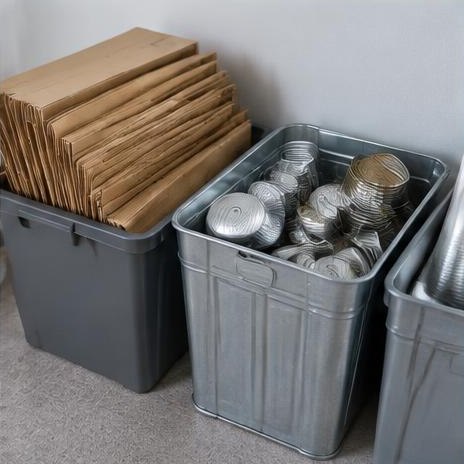
- Separating metals for scrap recycling.
- Ensuring paper and cardboard go to pulping facilities.
- Taking WEEE (Waste Electrical and Electronic Equipment) to specialised treatment centres.
- Coordinating with local authorities for the disposal of hazardous household chemicals.
Verifying Your Clearance Provider
Always ask to see a Waste Carrier License issued by the Environment Agency (or SEPA in Scotland). A reputable company will provide a "Waste Transfer Note" upon completion, which acts as your legal proof that the items were handled by a professional and responsible entity.
For large-scale clearances, skip hire might seem like an option, but in hoarding situations, skips are often inefficient. They require manual loading and can be quickly filled with "air" if items are not broken down. A professional clearance crew often proves more cost-effective as they maximise vehicle space and handle all the heavy lifting.
Restoring and Reclaiming the Space
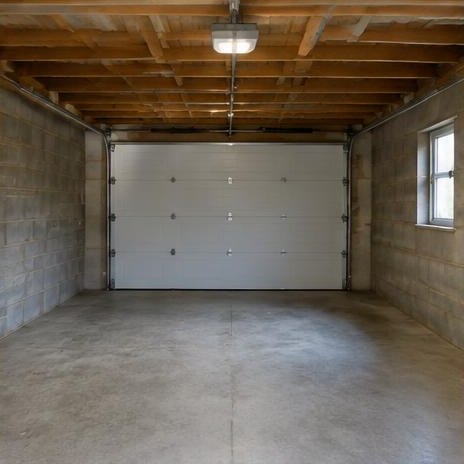
Once the clearance is complete, the focus shifts to restoring the garage to a functional state. Often, the removal of clutter reveals underlying issues that were previously hidden, such as damp patches on the floor, wall cracks, or evidence of dry rot in wooden shelving.
Clearance a garage after a hoard is different from a standard domestic clear. It requires industrial-grade vacuuming to remove decades of dust and potentially decontaminating surfaces if pests were present. Our Hoarder Clearance services include thorough clearance protocols designed specifically for these high-intensity environments.
Practical Steps for Post-Clearance Restoration
- Deep Sweep and Vacuum: Use a HEPA-filtered vacuum to capture fine particulates.
- Decontamination: Apply antimicrobial treatments to floors and walls if there were signs of animal activity.
- Structural Check: Inspect the roof and seals for leaks that might have contributed to the hoarding environment.
- Organisational Planning: Before bringing any items back, install clear, wall-mounted shelving to keep the floor space accessible.
The goal is to move from an severe hoarding situation to a manageable, organised space. By creating a visible system where every item has a dedicated home, the risk of future accumulation is significantly reduced.
Managing the Emotional Impact of Clearance
We recognise that for the individual living with hoarding behaviours, the garage clearance can be a source of intense anxiety. The garage often represents a "buffer zone"—a place where items are safe but out of sight. Removing this buffer can feel like a loss of security.
A discreet and respectful approach is vital. We work at a pace that is comfortable for the client, providing reassurance throughout the process. It is not just about the physical removal of items; it is about helping someone reclaim their environment and their quality of life.
Working with Families and Executors
Often, it is the family members who reach out to us. They may be frustrated or exhausted by the situation. In these cases, we act as a professional bridge, providing the expert logistics needed to move forward while maintaining the dignity of the property owner. Whether it is a probate clearance or a family support, our role is to reduce the burden on everyone involved.
Communication is the most powerful tool in these scenarios. By explaining "the why" behind each step—such as safety or legal disposal requirements—we can help lower the emotional temperature of the clearance and focus on the practical benefits of a clear and safe home.
Common Challenges in Garage Clearances
Every garage is different, but certain obstacles appear frequently in severe property clearance projects. Being prepared for these can save time and prevent accidents.
Hidden Structural Damage
Heavy hoards put immense pressure on garage walls and shelving. We have encountered situations where the clutter was actually "supporting" a leaning wall or a failing roof. As items are removed, the structure may shift. This is why a professional assessment is crucial—to ensure the building remains safe as the weight is lifted.
Pest Control and Hygiene
Rodents love the undisturbed environment of a hoarded garage. They nest in soft materials like old clothes or newspapers and feed on any organic matter. The presence of droppings or nesting material requires a specific hygiene response to prevent the spread of diseases such as Hantavirus or Leptospirosis.
The "Second Hoard" Risk
Sometimes, a client may try to move items from the garage into the main house to "save" them from the clearance. This only shifts the problem. We manage this by setting clear boundaries and focusing on the restoration of the garage as a specific, standalone goal.
Cost Considerations for Garage Clearance
The cost of how to clear a hoarded garage depends on several factors: the volume of waste, the type of materials, and the level of sanitation required. While it may be tempting to look for the cheapest option, specialist clearance provides value through efficiency and legal protection.
Factors that influence the price include:
- Volume: Measured in cubic yards or van loads.
- Labour: The number of crew members needed to safely move heavy or awkward items.
- Disposal Fees: Commercial rates for responsible waste disposal at licensed transfer stations.
- Specialist Handling: Costs for disposing of tyres, fridges, paints, or hazardous materials.
We provide transparent, fixed quotes after an initial assessment, ensuring there are no hidden surprises. This professional approach allows families and executors to budget accurately, especially during probate clearance where costs must be accounted for against the estate.
The Importance of a Professional Approach
Why choose a specialist service like Hoarders-Clearance.com? The difference lies in our experience with severe property clearance. A standard waste removal company may not have the patience or the empathetic training required to handle a sensitive hoard.
We understand the psychology behind accumulation. We don't just see "waste"; we see a collection of items that once had meaning. By treating every item with respect—even if it is destined for recycling—we build a relationship of trust with the client. This trust is what makes the clearance successful and sustainable in the long term.
Dignity and Discretion
Privacy is a major concern for our clients. Many people feel a sense of shame regarding the state of their garage and worry about what the neighbours will think. We operate with the utmost discretion, using unmarked or subtly branded vehicles and working efficiently to minimise the time spent on-site.
Our teams are trained to be non-judgmental. We have seen every level of accumulation, and our focus is always on the solution—helping you restore your property and move forward with clarity.
Frequently Asked Questions
How long does it take to clear a hoarded garage?
The duration depends on the volume and density of the items. A standard single garage with moderate accumulation can often be cleared in one full day. However, an severe hoarding clearance where items are packed to the ceiling may take two to three days to ensure every item is sorted safely and responsibly.
Do I need to be present during the clearance?
It is entirely up to you. Many clients prefer to be present to help with final keep/toss decisions, while others find it too emotionally difficult and prefer to leave it to our professional team. If you are not present, we can set aside items of high sentimental or financial value for your later inspection.
What happens to the items you remove?
We are committed to responsible waste disposal. Items are sorted into different streams: donations to local UK charities, recycling (metal, wood, paper, plastic), and general waste. Our goal is to divert as much as possible away from landfill, adhering to the latest UK environmental regulations.
Can you clear a garage that has no power or light?
Yes. Our teams come fully equipped with portable lighting and all necessary tools to work in environments without utilities. We are experienced in severe property clearance where electrics or plumbing may have been disconnected or failed due to the condition of the property.
How do you handle hazardous materials like old petrol or paint?
We identify these items during our initial assessment. As a licensed waste carrier, we can arrange for the safe transport and disposal of most common household chemicals. Some highly volatile substances may require specialist disposal routes, which we will coordinate on your behalf.
Is your service discreet?
Absolutely. We understand that hoarder house clearance is a private matter. We work quietly and efficiently, ensuring that the process is as discreet as possible for the occupant and the surrounding neighbours.
What if you find valuable items during the clearance?
Honesty and transparency are core to our brand voice. If our team discovers items of significant value—such as jewellery, cash, or valuable antiques—we immediately secure them and notify the client or executor. This is a standard part of our probate clearance and deceased estate clearance protocols.
Practical Tips for Maintaining a Clear Garage
Reclaiming the space is a massive achievement, but maintaining it is the next step. Once the garage hoarding clearance guide has been followed and the space is empty, we recommend a few simple strategies to keep it manageable:
- The One-In, One-Out Rule: For every new item brought into the garage, one must be removed.
- Clear Labelling: Use transparent bins with clear labels so you can see exactly what is inside without opening them.
- Vertical Storage: Keep the floor as clear as possible by using wall hooks and high shelving.
- Regular Reviews: Schedule a "mini-clearance" once every six months to deal with any minor accumulation before it becomes a problem.
By following these steps, the garage remains a safe, accessible, and useful part of your home, rather than a source of stress. We are here to help you start this journey, providing the expert hands and compassionate support needed to restore your property to its best condition.
If you or a loved one are facing the challenge of a hoarded garage, remember that you do not have to do this alone. With the right professional partner, what seems like an impossible task can be transformed into a structured, respectful, and ultimately successful project. Let us help you reclaim your space and your peace of mind.