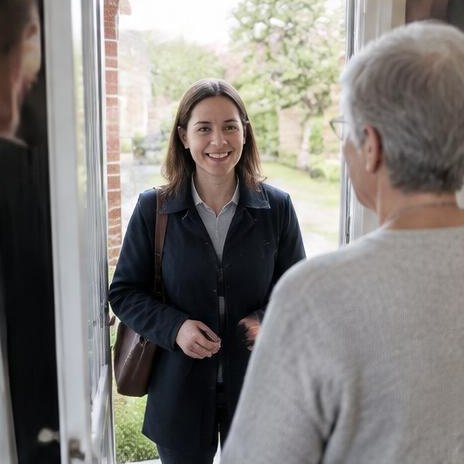
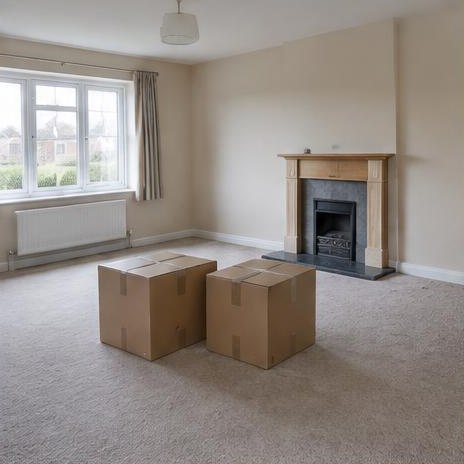
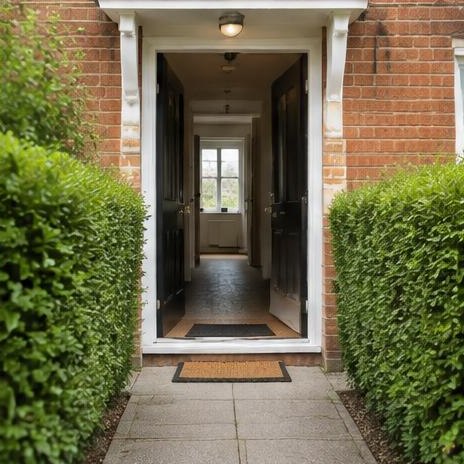
A clearance visit is a scheduled attendance for assessment or agreed work. In a hoarding clearance, it may be an initial discussion at the property, a survey of access and belongings, a removal appointment or a review of remaining tasks. The important distinction is its purpose: booking someone to attend does not by itself establish what they will do, what may be removed or which decisions must be made that day.
Establishing the purpose of the appointment
Before agreeing a date, ask the provider to describe what the visit is intended to achieve. An assessment visit may gather information for a quotation without involving any removal. A working visit may cover only a defined stage of a larger plan. A review visit may check outstanding questions rather than repeat the earlier assessment in full.
For example, someone might welcome a provider to look at two rooms but not be ready to select belongings for removal. Describing the appointment as an assessment only makes that boundary clearer. Ask whether the provider expects photographs, measurements or a discussion of particular categories of items. Also clarify whether any decisions can remain open afterwards. Knowing the purpose allows the person to prepare relevant information without feeling obliged to agree to work simply because someone has arrived. It also helps the provider send the appropriate person or team for that stage.
Confirming attendance and access arrangements
A visit needs practical booking details as well as a date. Ask about the arrival window, anticipated duration, contact method for delays and the number of people expected. Explain relevant access information, such as a shared entrance or a doorbell that is difficult to hear, without sharing unrelated personal details. Confirm who will let the provider in and whether that person will remain present.
For example, if a supporter can attend only during the morning, an all-day arrival window may not meet the household’s needs. Discuss whether a more suitable arrangement is available before confirming. Where access involves communal areas, controlled entry or another person’s property, ask which permissions may apply and who will check them. Do not assume an appointment gives the provider access to every part of a building. Clear entry arrangements reduce uncertainty at the start and prevent the person attending from having to negotiate unexpected access questions on the doorstep.
Ready to discuss your clearance? Request a free quote or call us to talk through your requirements.
Preparing information rather than moving belongings
Preparation for a visit can centre on communication. A short list of priorities, retained belongings and unanswered questions may be more useful than attempting to rearrange the home beforehand. Ask the provider what information would help and whether any requested preparation is necessary for the particular type of visit. Safety-related preparation should be discussed with the provider rather than improvised.
For example, someone may be concerned that a doorway is difficult to approach. They can describe that concern and ask how the provider wishes to assess access, instead of attempting to move heavy furniture themselves. Similarly, an assessment can note that a cupboard has not been opened rather than requiring it to be emptied beforehand. Relevant information might include rooms outside the scope, belongings intended for relatives and preferred communication methods. The purpose is to make the appointment informative, not to require the household to complete part of the proposed work before it has been assessed.
Agreeing how the visit will begin
The beginning of the appointment is an opportunity to confirm shared understanding. Ask for introductions and a brief explanation of the planned sequence before work starts. Revisit the scope, identify the person who will answer questions and confirm any private areas. This need not become a lengthy meeting, but it should leave room to correct a mistaken assumption.
For example, the provider may arrive expecting to assess the entire property while the household understood that only the ground floor was included. Clarifying that difference at the outset is preferable to discovering it when someone approaches an upstairs room. For a removal visit, confirm how retained, agreed and undecided belongings will be distinguished. If circumstances have changed since booking, explain the change and ask whether the original plan still fits. A visit should begin from the current agreement rather than from an outdated description that nobody has checked.
Structuring decisions and pauses during attendance
Some visits involve many small decisions; others are intended to carry out choices already made. Ask how the provider will keep those two types of activity separate. Discuss when questions will be raised, whether there can be scheduled pauses and what happens if a decision cannot be reached. The visit’s pace should reflect the agreed work rather than an assumption that every item must be resolved immediately.
For example, an assessment may reveal a group of photographs that the person wants to review later. The provider can record that they remain undecided without making their removal a condition of discussing other areas. During working visits, ask whether a pause affects the planned finish or requires a revised arrangement. A supporter may help organise questions, but their role should be clear. The practical aim is a visit in which uncertainty can be acknowledged without turning every unresolved choice into pressure to proceed.
Responding when the plan no longer fits
A scheduled visit may reveal information that was unavailable at booking. Access may differ, the volume may be greater than described, or the person may want a narrower scope. Ask the provider in advance how it handles such changes, including when it would stop, reassess or propose another attendance. For safety concerns, ask what assessment or specialist input would be needed rather than seeking a quick improvised solution.
For example, a provider attending to remove selected furniture may find that the planned route is unsuitable. The relevant conversation is about the provider’s revised assessment, available options and any effect on the quotation. It is not an instruction for the household to alter the route themselves. If the person decides not to continue, ask how that decision will be recorded and which booking terms the provider considers relevant. Where those terms are disputed or unclear, appropriate professional advice can help clarify the position.
Ending with a clear record of next steps
The end of a visit should establish what has happened and what remains open. For an assessment, ask when and how the provider expects to send its proposal, and what additional information it needs. For a working visit, review the agreed tasks completed, belongings left pending and any proposed follow-up. Avoid treating departure as confirmation that every original expectation has been met.
For example, a removal appointment might finish with one cabinet still in place because the person has not decided whether to retain it. The visit record should distinguish that deliberate pause from work the provider intended but could not complete. Confirm whether another date has actually been booked or is only being considered. If keys, access devices or photographs formed part of the appointment, ask how those arrangements will be concluded. A concise written summary can help everyone remember the same next steps without repeating the full discussion at a later visit.