A collection point is an agreed location from which items are collected. Within a hoarding clearance, it connects the selection of belongings with their onward removal, but it is not automatically a public drop-off area or a place where anything may be left. Its usefulness depends on precise identification, suitable access and a shared understanding of which items are included and who manages them before collection.
Defining the location precisely
A collection point should be described well enough that the household and provider identify the same place without guesswork. Phrases such as ‘outside’ or ‘near the entrance’ can refer to several different areas. Ask whether the provider needs an address description, a labelled photograph or another way to distinguish the agreed point from neighbouring spaces.
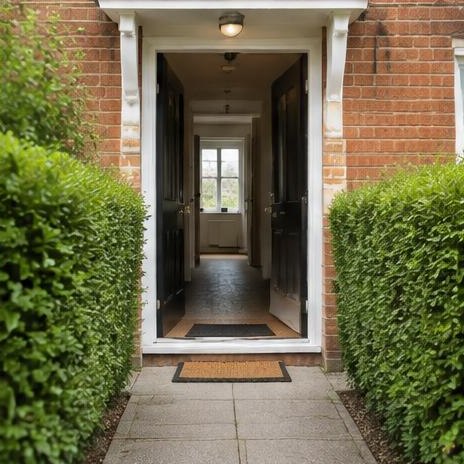
For example, a building might have a front porch, a shared entrance lobby and a side gate. Stating that collection is from the private porch avoids an assumption that belongings will be waiting in the lobby. Include relevant boundaries, such as whether the point is inside a room or beyond a particular door. This also helps distinguish collection from removal directly out of storage areas. A clearly named point can become a useful reference in the quotation, booking confirmation and team instructions, reducing the chance that different people plan around different locations.
Asking the provider to assess suitability
Convenience alone does not establish whether a collection point is suitable. Ask the provider to consider access, available space, the types of items involved and the route between the point and its vehicle. Where there are concerns about stairs, uneven surfaces, weather exposure or restricted passage, describe them and ask how they affect the collection plan.
For example, a sheltered corner may appear convenient but require bulky furniture to pass through a narrow gate. The provider should assess whether that location fits the proposed items rather than expecting the household to solve the difficulty beforehand. Similarly, a point used successfully for a few boxes may not suit a later furniture collection. Ask whether the proposed location changes the staffing, equipment or scope required. These are questions for the provider’s planning process, not instructions to move belongings into a potentially unsuitable place in anticipation of its arrival.
Ready to discuss your clearance? Request a free quote or call us to talk through your requirements.
Checking permission to use the space
The right to use a collection point should not be assumed, especially where the location is shared, rented or outside the property boundary. Ask what permissions may be applicable and who will check them. A provider’s willingness to collect from a particular place does not necessarily settle questions about whether belongings may be placed there or how the space is managed.
For example, a resident may suggest a communal courtyard because it is close to the vehicle access. Before relying on that plan, ask about any relevant approval from the people responsible for the space and whether other access needs must be considered. If the proposal involves a pavement, road or disputed boundary, seek appropriate professional advice where necessary. Avoid treating a familiar practice by neighbours as confirmation that the same arrangement is suitable. An alternative collection point within an agreed private area may be worth discussing if permissions remain uncertain.
Distinguishing agreed items from nearby belongings
The collection point must have a clear item boundary as well as a physical boundary. Being near the point should not automatically make an object available for removal. Ask how the provider will identify the agreed collection and how belongings that must remain will be distinguished. A list, labels or a direct handover may be options, depending on the circumstances and the provider’s process.
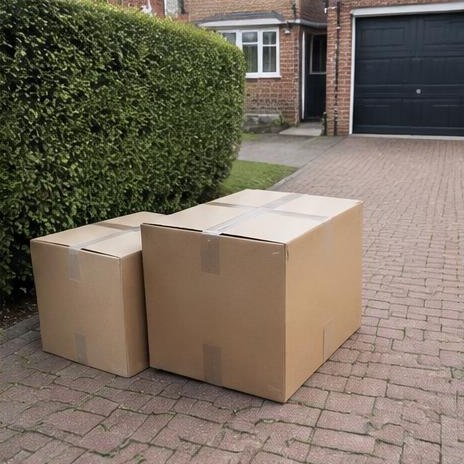
For example, several selected boxes might stand beside a bicycle that is staying. A description such as ‘everything by the door’ would be too broad. A more precise agreement would identify the boxes and exclude the bicycle. If undecided belongings are present nearby, ask whether the provider needs a revised arrangement before attending. The aim is to make the collection set identifiable without asking staff to infer intention from appearance, position or packaging. Any identification method should be understandable to the people who will actually carry out collection.
Agreeing who brings items to the point
A collection point can conceal an important scope question: who is responsible for getting belongings there? Some proposals may include removal from rooms to the agreed point, while others may assume that selected items are already available there. Ask the provider to state its assumption explicitly and explain whether moving items within the property forms part of the booked work.
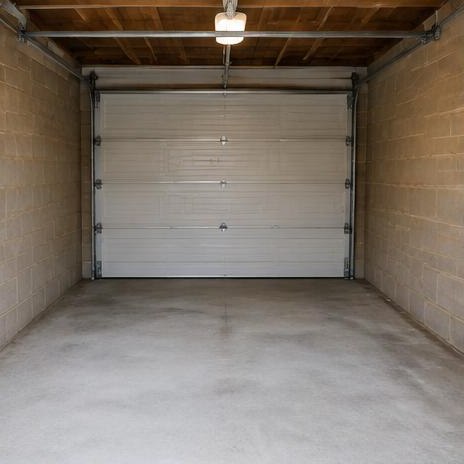
For example, a quotation for collection from a garage may not include carrying boxes down from an upstairs bedroom. If the household expects that additional work, the difference needs resolving before the visit. Do not interpret a collection-point arrangement as an instruction to attempt difficult lifting or negotiate restricted routes yourself. Describe where the belongings currently are and ask the provider what service would cover the whole task. If another person or service will bring items to the point, agree how the handover will be coordinated so neither party works from an incomplete assumption.
Coordinating timing and temporary placement
A collection point is usually part of a timed process, not simply a permanent destination. Ask when items are expected to be available, how arrival will be communicated and what happens if the provider is delayed. Where belongings might remain at the point between visits, ask whether the location remains suitable and who will manage access during that period.
For example, selected furniture may be intended for collection on the same day it is brought to an entrance area. If attendance is postponed, the household needs an agreed alternative rather than assuming the furniture can remain there indefinitely. Weather, shared access and privacy may all affect the discussion. Ask the provider whether a direct transfer from the property would be more suitable than advance placement. The arrangements should also cover a missed collection: establish whom to contact and how a revised plan will be confirmed, without assuming that an unattended collection will occur automatically.
Recording handover and onward arrangements
Collection from a point should have a recognisable handover stage. Ask how the provider will confirm what has been taken, note anything left behind and distinguish separate destinations where those have been agreed. The level of detail can match the work, but the household should not have to infer completion merely because the collection point appears emptier.
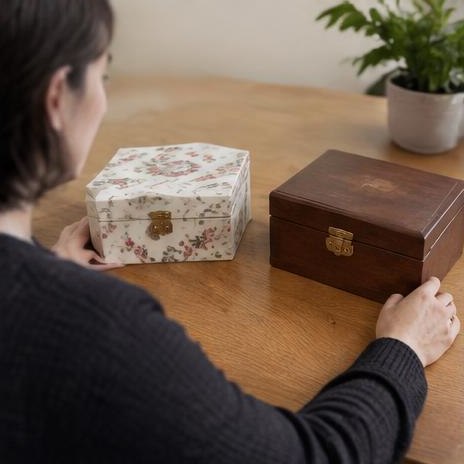
For example, one group of items may be going to a relative while another group is covered by the provider’s general removal arrangement. The collection instructions should distinguish those groups and identify any agreed records. Ask what happens if an item cannot be accepted or does not match the booking description. It should not simply become an unexplained remainder. Once collection is complete, confirm whether the point has any continuing role in later visits. Ending its use explicitly helps prevent new items being added by someone who mistakenly believes another collection is already arranged.