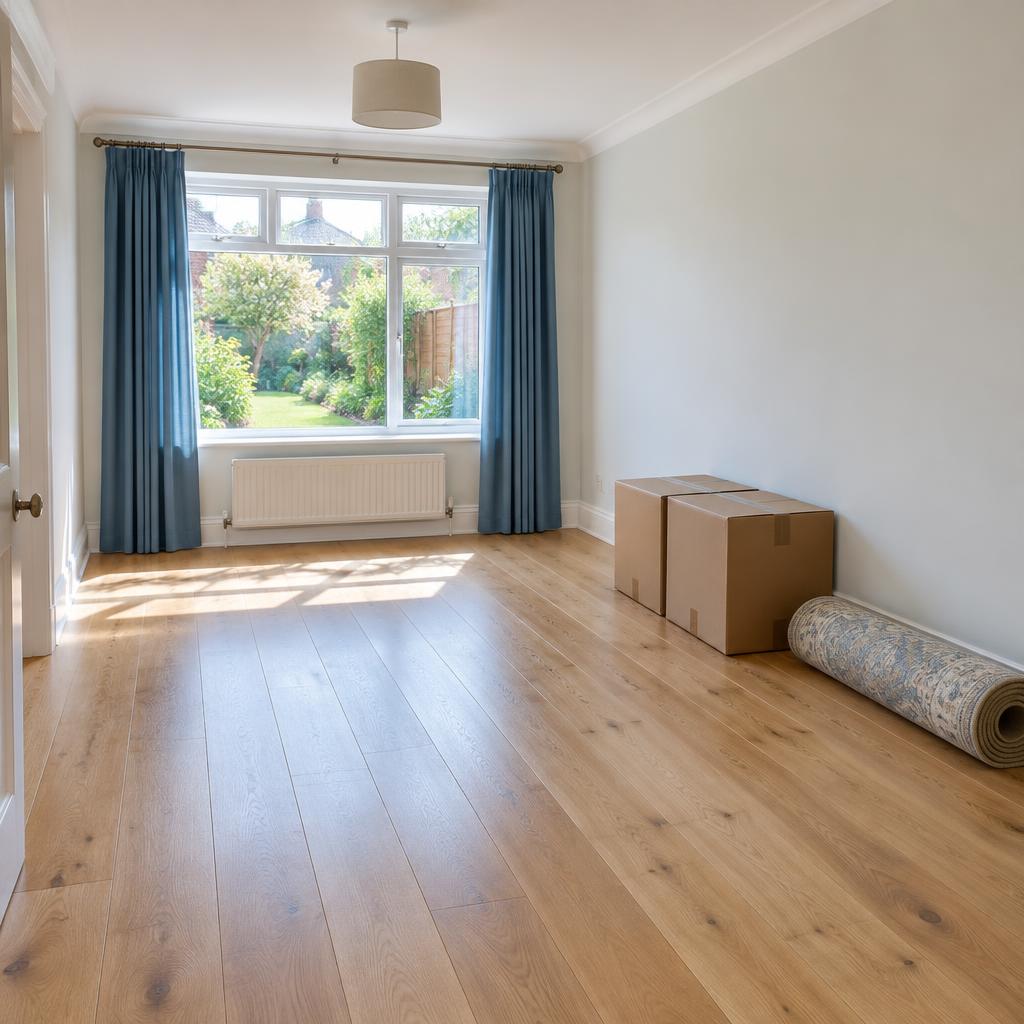
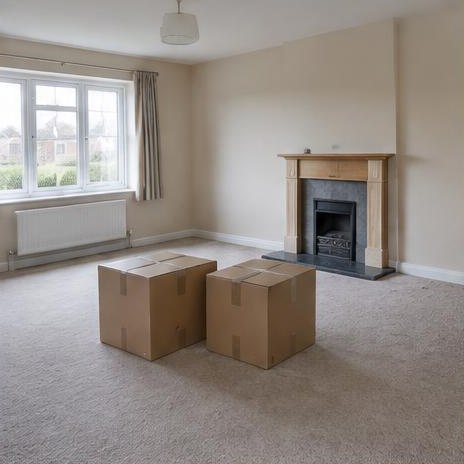
House clearance means the agreed removal of contents from a house. It may involve a whole property, selected rooms, or particular categories such as furniture and household belongings. The term does not automatically mean that everything will leave, that the building itself will receive other work, or that a provider will decide what has value. Those questions belong in the agreed scope.
People consider house clearance for different reasons: moving home, preparing for a sale, managing an estate, changing a tenancy, or making space for another use. Each situation creates different instructions. A useful arrangement identifies the contents approved for removal, the belongings that must remain, the person authorised to decide, and the practical requirements for access. This article explains those choices without assuming a particular household or promising an outcome.
Define what house clearance includes
Start by naming the spaces and contents involved. “The house” may mean every internal room to one person but exclude a loft, garage, shed, or garden to another. A provider cannot reliably infer those boundaries from the address. Write down each included area and describe any space that should remain untouched.
Then distinguish removal from related tasks. Sorting mixed containers, moving retained furniture to another room, disconnecting equipment, and removing fitted items are separate questions. Ask what a provider offers and what requires another arrangement. Do not assume that an appliance can simply be collected without checking how it is connected and who will deal with that connection.
A partial clearance can be a complete job when the scope is clear. For example, removing approved furniture from two bedrooms while leaving the kitchen and loft untouched is a defined task, not an incomplete whole-house instruction.
Useful scope notes include the rooms, item categories, exclusions, retained contents, access details, and any decisions still pending. Keep this description with the quotation so the price can be understood alongside the work it describes.
Identify who can give instructions
The person holding the keys is not necessarily the person authorised to decide what happens to the contents. A resident, property owner, tenant, relative, executor, or professional contact may have different responsibilities. If there is uncertainty about ownership or authority, obtain appropriate advice before agreeing removal.
Name the person who will approve the working list and explain whether anyone else must be consulted. If the property contains belongings owned by several people, record those boundaries. A general instruction to empty a room should not override an unresolved question about another person's possessions.
Estate arrangements can need particular care. A clearance visit should not be used to settle disagreements between beneficiaries or determine whether something belongs to an estate. Keep disputed or uncertain items outside the approved list until the relevant decision has been made.
For example, a relative may coordinate access while an executor provides instructions about the contents. The plan should make that distinction visible, including who receives questions during the visit and what happens when they cannot be reached. Convenience alone is not a reliable basis for deciding authority.
Ready to discuss your clearance? Request a free quote or call us to talk through your requirements.
Create a retained belongings list
Decide what must remain before creating the removal list. This is especially helpful when most of a property will be emptied, because a small number of retained items can otherwise be overlooked among broad instructions. Include practical belongings as well as obvious valuables: keys, chargers, current papers, equipment, photographs, and furniture needed until moving day.
Use a method everyone can recognise. A retained-items list can refer to a room, a labelled container, or a photograph with an agreed description. Avoid relying solely on colour or a temporary note that might detach. Explain how the identification method relates to the written scope.
If some belongings are still undecided, keep them in a separate review category. This prevents “not yet approved” from being confused with “approved to leave”. Confirm who will decide and whether the decision must happen before the visit.
For example, someone moving to a smaller property may retain one dining chair, a family album, and a cabinet while releasing the rest of the dining-room furniture. Listing those exceptions individually is clearer than instructing a team to remove everything except the important things.
Describe quantities and access realistically
A useful enquiry describes both contents and the route out of the property. Mention the number of rooms involved, broad item categories, stairs, lift availability, shared entrances, and known parking restrictions. If a garage or loft is included, explain whether its contents have been assessed and whether access is available.
Do not turn uncertainty into an estimate that sounds definite. It is reasonable to say that a cupboard has not been opened or that parking needs confirmation. A provider can then explain whether further information or a visit is needed. An apparently precise description based on guesses may make the proposed arrangement less useful.
Photographs can help describe rooms and large items, but they do not explain every practical condition. A photograph of a sofa does not establish whether it will pass through a narrow doorway. Include known restrictions and ask what else the provider needs to assess.
For example, a first-floor flat with a working lift and a shared loading area needs a different access discussion from a house with direct roadside access. Neither description, by itself, establishes the duration or price of the work.
Understand a quotation and its exclusions
Compare quotations against the same written scope. A lower figure may describe fewer rooms, omit sorting, or assume that access arrangements are already in place. Ask what is included rather than treating all quotations using the phrase house clearance as equivalent.
Discuss how changes will be handled. If additional contents appear or a room is added, ask who must authorise the revised task and how any additional charge will be explained. Keep the original exclusions visible so an informal conversation does not become an unexpected commitment.
Useful questions include:
- Which rooms and categories are included?
- Is sorting included or expected beforehand?
- Are loading, transport, and agreed destinations covered?
- What needs a separate service or visit?
- What access assumptions have been made?
- How are additional tasks approved?
Do not assume that resale value cancels the cost of removal. If a provider proposes a credit or purchase arrangement, ask for the terms in writing and clarify which items it concerns. Similarly, avoid expecting a fixed duration from a broad description. The work should be assessed against its actual scope and conditions.
Consider reuse, donation, recycling and disposal
Belongings approved to leave may have different possible destinations. Furniture suitable for reuse may need a different arrangement from damaged equipment or confidential papers. Ask which routes are available and whether the provider can accommodate a particular preference. None of these destinations should be treated as automatic.
If donation matters, discuss it before the visit. Organisations can have acceptance requirements, and collection or delivery arrangements may not be available. An item being offered for donation does not guarantee that it will be accepted. Agree what happens if the preferred option cannot be used.
Recycling and disposal also require specific questions. Ask how categories are handled and what documentation can be provided for the agreed work. Verify relevant arrangements with appropriate sources where necessary rather than relying on an unsupported claim in a general description.
For example, a table might be offered for reuse, while damaged small appliances need another route. Personal documents should have their own handling instruction. Keeping these choices separate makes it easier to confirm the outcome without assuming that every departing item is treated identically.
Take care with papers, devices and personal information
A property can contain sensitive information in places that do not look important at first glance. Papers, notebooks, photographs, computers, telephones, and storage media deserve deliberate decisions. Physical removal is not the same as an agreed method of handling information.
Identify documents you want retained and arrange private review where appropriate. Do not place unresolved bundles among approved items simply because they are in an included room. Ask how unexpected documents will be set aside and who will be contacted. Avoid expecting a clearance provider to determine which legal or financial papers you should keep.
For devices, decide whether they will be retained, transferred, or handled through a separate arrangement. If information security matters, seek suitable advice about the method required. Do not assume that a device is empty because it no longer works or has not been used recently.
When submitting an enquiry, share only the information needed to describe the task. Avoid readable identification, account details, correspondence, or unrelated people in photographs. Ask before sending sensitive personal material. A room overview can often communicate the quantity of contents without exposing private details.
Prepare the property without taking unnecessary risks
Preparation should make agreed instructions easier to follow, not require you to tackle uncertain physical tasks. Keep retained belongings identifiable, arrange keys, and confirm access times. If a route is restricted or something appears unsafe, explain the condition instead of attempting to move heavy or unfamiliar items yourself.
Tell the provider about known concerns such as damaged floors, uncertain stairs, unfamiliar substances, or equipment that may need specialist attention. Ask which tasks fall within their assessment and which need another appropriately qualified service. A clearance arrangement does not automatically cover every condition in a building.
Equipment connections are another separate issue. Discuss fitted appliances, attached furniture, and anything connected to electrical, gas, or water services. Do not assume that removal includes disconnection or that a general clearance team is the appropriate service for it.
For example, a washing machine intended to leave may require a confirmed disconnection arrangement before collection. Similarly, a loft with uncertain access should not be added to the removal list without addressing that access question. Preparation can consist of communicating these uncertainties accurately rather than trying to resolve them alone.
Coordinate moving, estates and property handovers
When clearance forms part of a larger timetable, distinguish the preferred date from a confirmed booking. Moving arrangements, estate decisions, property transactions, and tenancy handovers can change. Tell the provider which dates are fixed, which are provisional, and when instructions are expected to be final.
Keep essential belongings available until they are no longer needed. A bed, chair, telephone, or set of keys may need to remain even when other contents leave. Discuss whether a later collection is possible and whether it requires a separate quotation.
For a property handover, confirm the required state of the contents rather than assuming that emptying the house satisfies every condition. Clearance concerns agreed belongings; other property work or assessments may need separate arrangements. If a contractual or legal requirement is uncertain, seek appropriate advice about that requirement.
For example, a seller might want most furniture removed before a viewing while retaining everyday items until moving day. That calls for a staged contents plan, not an assumption that every room should be emptied at the first visit. Record the sequence and the conditions for any subsequent work.
Review the completed task and remaining decisions
At the end of the visit, compare the result with the written scope. Check included rooms, retained items, and any contents that were excluded or left for review. If you cannot attend, agree beforehand how the outcome will be reported and who can confirm it.
Ask for the records or photographs agreed when booking, without assuming they will be supplied automatically. Where a preferred destination was discussed, request the confirmation available for that arrangement. Keep questions specific to the work rather than expecting one document to explain every item.
Any remaining contents should have a clear status. They might be retained deliberately, awaiting a decision, or outside the original task. Describe that distinction before considering further work. An extra visit should be discussed on its own scope and terms.
For example, the main rooms may have been completed while an unopened cabinet remains with the authorised contact's approval. That is not necessarily an overlooked task. The final review should identify the cabinet and record whether a later decision is needed, preserving the same clarity used when the work began.