Last updated
On this page
- Key Takeaways
- Core Principles of Responsible Waste Management
- Step-by-Step Guide to the Recycling Process
- Common Materials Found in Hoarded Properties
- The Challenges of Recycling in Severe Settings
- Benefits of a Specialist Recycling Approach
- The Circular Economy in Hoarding Clearance
- Choosing a Trusted Partner
Hoarder clearance recycling is the specialist process of recovering, sorting, and responsibly processing materials from properties affected by chronic accumulation. Unlike standard waste removal, this service involves identifying salvageable resources—such as paper, metals, textiles, and electronics—amongst deep-seated clutter to divert as much as possible from landfills while adhering to UK environmental regulations.
Key Takeaways
- Environmental Responsibility: Expert clearance prioritises recycling items from hoarded homes to minimise the ecological footprint of the project.
- Legal Compliance: Professional services ensure adherence to the Waste Hierarchy and UK Environmental Agency standards.
- Resource Recovery: Strategic sorting allows for the reclamation of precious metals, paper, and reusable textiles.
- Discreet Management: Professional teams manage the logistics of eco friendly hoarder clearance without drawing unnecessary attention to the property.
- Safety First: Managing accumulated items requires specialist knowledge to handle biohazards or hazardous materials safely before they enter the recycling stream.
- Ethical Disposal: Modern clearance focuses on "reduce, reuse, and recycle" rather than simple disposal.
What Defines Hoarder Clearance Recycling?
In the context of a specialist property project, hoarder clearance recycling refers to the meticulous separation of various material streams found within a heavily cluttered environment. It is a systematic approach where professionals distinguish between true waste and recyclable resources.
At its core, this process is about identifying the inherent value in materials that have been obscured by long-term accumulation. By using a specialist clearance partner, you ensure that household items are not simply sent to a landfill, but are instead categorised by material type—such as wood, plastic, or WEEE (Waste Electrical and Electronic Equipment).
This approach is essential for large-scale projects, such as a deceased estate clearance or an severe hoarding clearance, where the volume of items can be overwhelming. By breaking the mass down into recyclable categories, the process becomes more manageable and environmentally sound.
The Importance of Eco-Friendly Practices
The environmental impact of clearing a hoarded property can be significant. Local authorities and the Environment Agency in the UK encourage the use of the "Waste Hierarchy," which ranks waste management options according to what is best for the environment.
Eco friendly hoarder clearance ensures that we move as high up that hierarchy as possible. This means prioritising recycling and recovery over the final option of disposal. In a typical hoarded home, a vast percentage of the contents—often up to 70-80%—can be diverted from landfill through diligent sorting.
- Reduction of Methane: Diverting organic and paper waste prevents the buildup of greenhouse gases in landfill sites.
- Resource Preservation: Reclaiming metals and plastics reduces the need for virgin material extraction.
- Social Value: Identifying items for donation or refurbishment supports the circular economy in the UK.
Core Principles of Responsible Waste Management
Managing an accumulation of items requires more than just physical labor; it requires a deep understanding of UK waste legislation. Hoarders-Clearance.com operates under strict guidelines to ensure that all materials are handled with the highest level of professional integrity.
The Role of Licensed Waste Carriers
In the UK, any professional company transporting waste must be a registered Waste Carrier. This registration is a legal requirement that ensures the company is accountable for where the waste ends up. When we undertake a hoarder house clearance, we provide a full paper trail through Waste Transfer Notes (WTNs).
These documents prove that the items from the property were taken to a licensed facility for processing. Without this, the property owner or the person instructing the clearance could be held liable for fly-tipping, even if they didn't personally dump the items.
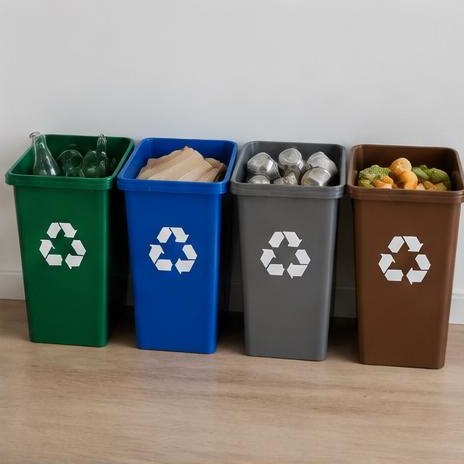
Categorising Materials for Recovery
One of the most complex parts of recycling items from hoarded homes is the initial sorting phase. Often, materials have become commingled or contaminated by the conditions of the property. Our specialist teams are trained to identify:
1. Fibres: Newspapers, magazines, cardboard, and mixed paper that have remained dry and uncontaminated.
2. Metals: Including ferrous metals (like steel) and non-ferrous metals (like copper or aluminium), often found in appliances or household structural items.
3. Plastics: Identifying high-density polyethylene (HDPE) and other recyclable plastics commonly found in packaging.
4. Textiles: Clothing and linens that can be recycled for rags or thermal insulation if they are not suitable for donation.
Our approach facilitates the recovery of usable space while honouring the environmental necessity of keeping materials in the production cycle. If you are also looking for decontamination support after a clearance, you may find our Hoarder Clearance services useful for restoring the property to a habitable condition.
Ready to discuss your clearance? Request a free quote or call us to talk through your requirements.
Step-by-Step Guide to the Recycling Process
The logistical challenge of an severe hoarding clearance requires a structured plan. We do not simply "load a skip." Instead, we create a mobile sorting station to ensure efficiency and maximum recycling rates.
Phase 1: Initial Assessment and Risk Management
Before any item is moved, we assess the site for safety hazards. This includes checking for sharp objects, unstable stacks of items, or potential biohazards. Our goal is to ensure the safety of our team and the integrity of the recyclable materials.
- Identification of Hazardous Waste: Detecting batteries, paints, chemicals, or asbestos that require separate, specialist disposal.
- Structural Integrity Check: Ensuring floors and hallways are safe to traverse while carrying heavy loads.
- Access Logistics: Planning the discreet placement of vehicles to minimise disruption to the local community.
Phase 2: The Sorting Strategy
During the clearance, we employ a "triage" system. Items are categorised at the point of removal. This prevents "cross-contamination," where a clear recyclable item (like a newspaper) might become soiled by being mixed with non-recyclable debris.
We focus on reclaiming the property room by room. By clearing distinct zones, we can more easily group similar materials together. For instance, a kitchen clearance usually yields high volumes of metal and glass, whereas a living room may contain more fibres and textiles.
Phase 3: Transport and Transfer
Once the materials are sorted, they are loaded onto dedicated vehicles and transported to authorised Materials Recovery Facilities (MRFs). These facilities use advanced technology—such as magnets, air sorters, and optical sensors—to further refine the recycling process. We work closely with Hoarder Clearance to ensure that once the recycling is removed, the property is ready for its next stage of restoration.
Common Materials Found in Hoarded Properties
Understanding what we encounter during a hoarder house clearance helps in planning the recycling logistics. Each property is unique, but several material categories are consistently present.
Paper and Cardboard Accumulation
Paper is often the most prevalent material in a hoarded home. From decades of newspapers to unopened mail, the volume can reach several tonnes. In many cases, these materials are 100% recyclable. However, if the paper has been exposed to damp or pests, it may no longer be suitable for the recycling stream. Our teams carefully evaluate the condition of "paper trails" to decide whether they should be sent for fibre recycling or Energy-from-Waste (EfW) processing.
WEEE: Waste Electrical and Electronic Equipment
In many properties, there is an accumulation of "brown goods" (televisions, radios) and "white goods" (fridges, washing machines). Under UK WEEE regulations, these must be disposed of and recycled separately because they contain components that can be harmful if crushed, but valuable if recovered (such as gold, silver, and copper).
Key Components of WEEE Recycling:
- Cabling: Copper wiring is highly recyclable and a valuable resource.
- Circuit Boards: These contain rare earth metals that are essential for modern technology.
- Coolants: Older fridges may contain ozone-depleting substances which we extract professionally.
Textiles and Soft Furnishings
Clothing, carpets, and curtains often make up a large percentage of the household volume. While some may be donated if they are in good condition, much of it is often beyond reuse due to long-term storage conditions. In these cases, we focus on eco friendly hoarder clearance methods that shred these textiles for use as mattress stuffing, car seat padding, or industrial cloths.
The Challenges of Recycling in Severe Settings
While we strive for 100% recycling, certain factors in a hoard can complicate these efforts. Transparency is key to our professional authority, and we want our clients to understand the hurdles we sometimes face.
Contamination and Degradation
In some severe hoarding clearance situations, items may have been stored in damp environments for years. Once paper or cardboard develops mould, it can no longer be processed by standard recycling mills as it would contaminate the new paper pulp. Similarly, if food waste has leaked into piles of plastic or glass, these items may require intensive clearance before they can be accepted by a recycler.
Specialist Waste Streams
Some items found in hoards are classified as "Specialist Waste." This includes:
1. Sharps and Medical Waste: Often found in cases where the resident had chronic health issues.
2. Biohazardous Materials: Waste that requires incineration for safety reasons.
3. Outdated Chemicals: Old household clearance team or garden pesticides that are no longer legal to use.
We ensure these items are handled by ADR-trained professionals or specialist disposal units so they do not contaminate the general hoarder clearance recycling stream.
Benefits of a Specialist Recycling Approach
Choosing a dedicated company like Hoarders-Clearance.com provides peace of mind that goes beyond mere waste removal. Our service is designed to be a manageable solution for an otherwise chaotic situation.
Financial and Legal Benefits
By prioritising recycling, we can often reduce the overall cost of disposal. Landfill tax in the UK is high and continues to rise. Sending materials to a recycling centre or a recovery facility is typically more cost-effective than using landfill sites. We pass these efficiencies on to the client through transparent pricing and professional service.
Restoring Dignity and Property Value
A cluttered home is often a significant financial burden on an estate. Whether you are dealing with probate clearance or preparing a property for sale, a professional clearance that includes responsible recycling adds value. It shows that the property has been handled with care, which is particularly important for solicitors and executors managing a deceased estate clearance.
A Discreet Professional Partner
We understand the sensitivity of these situations. Often, family members or executors are worried about the "spectacle" of a clearance. Our teams work efficiently and discreetly. By focusing on recycling items from hoarded homes, we ensure that the transition from a cluttered space to a restored home is as smooth and quiet as possible.
The Circular Economy in Hoarding Clearance
The "circular economy" is an economic system aimed at eliminating waste and the continual use of resources. We view every hoarder clearance as an opportunity to return resources to the economy.
Donation vs. Recycling
Whenever we encounter items that are in good, functional condition—such as furniture, books, or kitchenware—we consult with our clients about donation. While our primary focus is hoarder clearance recycling, we believe that reuse is the purest form of recycling. Giving items a "second life" in a new home is a powerful way to honour the original owner's possessions while decluttering the property.
- Charity Partnerships: We can help facilitate the delivery of usable goods to local UK charities.
- Upcycling Potential: Solid wood furniture that is damaged can often be reclaimed by wood recycling projects.
- Library Collections: In cases of book hoarding, specialised collectors or literacy charities may benefit.
Choosing a Trusted Partner
When you are faced with the task of clearing an severe hoarding situation, the emotional and physical weight can feel insurmountable. You do not have to manage this alone. By choosing Hoarders-Clearance.com, you are opting for a partner that values dignity, respect, and environmental stewardship.
Our commitment to hoarder clearance recycling ensures that while we are helping you reclaim your property, we are also doing our part for the planet. We provide a reassuringly experienced service that transforms a complex problem into a manageable, professional solution. Whether it is a small flat or a large family estate, we handle every item with the care it deserves and every client with the compassion they need.
To begin the process of restoring your property, contact us for a discreet consultation. We are here to help you navigate the logsitics of eco friendly hoarder clearance and provide the clarity you need to move forward.