Last updated
On this page
- Key Takeaways
- Understanding Hoarder Clearance Waste Disposal
- How to Dispose of Hoarded Items Responsibly
- The Operational Process of Hoarder Clearance
- Health and Safety Regulations in UK Property Clearance
- Restoring the Property: Beyond Just Clearing
- The Psychological and Emotional Aspect
- Costs and Considerations
Managing a property affected by chronic accumulation is a significant undertaking that requires more than just physical labour. Hoarder clearance waste disposal is a specialised process that involves sorting, categorising, and ethically removing large volumes of items while maintaining the dignity of the occupants. In the United Kingdom, this process is governed by strict environmental regulations to ensure that every item—from household furniture to hazardous materials—is handled responsibly.
When a home reaches a state of severe clutter, the sheer volume of belongings can become a safety risk, hindering access and creating fire hazards. Our role at Hoarders-Clearance.com is to provide a structured, compassionate pathway to reclaiming these spaces. We understand that behind every clearance is a human story, often involving years of history, sentimental value, or the difficult aftermath of a bereavement.
Restoring a property to a manageable condition involves a multi-layered approach. It starts with a discreet assessment and moves through a meticulous sorting phase, ensuring that nothing of value—either sentimental or financial—is lost. Finally, we execute a comprehensive waste management plan that prioritises recycling and donation over landfill, helping families and property owners navigate the complexities of how to dispose of hoarded items responsibly.
Key Takeaways
- Professional Oversight: Specialist clearance ensures safety, structural integrity, and compliance with UK waste laws.
- Compassionate Sorting: We distinguish between genuine waste, recyclable materials, and items of sentimental or financial value.
- Legal Compliance: All waste must be handled by a registered waste carrier to avoid "fly-tipping" liabilities for the property owner.
- Environmental Responsibility: A high percentage of cleared items can often be diverted from landfill through specialist recycling and charity donations.
- Discreet Operations: Professional teams use unmarked vehicles and sensitive methods to protect the privacy of the residents and their families.
- Health and Safety: Managing risks such as biohazards, sharp objects, and structural instability is a core part of the clearance process.
Understanding Hoarder Clearance Waste Disposal
Hoarder clearance waste disposal refers to the systematic removal and legal processing of accumulated household items, debris, and environmental hazards from a property affected by hoarding disorder or severe neglect. Unlike standard domestic waste removal, this service involves high-volume sorting and the management of diverse waste streams, often requiring specialist equipment and Environment Agency compliance.
Effective disposal in these settings requires a three-step framework:
- Identification: Categorising items into "keep," "donate," "recycle," and "dispose."
- Logistics: Using appropriate vehicles and manpower to safely extract heavy or hazardous volumes.
- Verification: Providing Waste Transfer Notes to prove that all materials were disposed of at authorised facilities.
The Importance of Professional Support
Attempting to clear a heavily cluttered property without professional help can lead to physical injury or emotional exhaustion. The weight of accumulated paper, for example, can compromise floor joists, while blocked exits pose a severe risk in the event of a fire. Professional Hoarder Clearance are trained to identify these risks before they become accidents.
Furthermore, the legal aspect of waste disposal in the UK is stringent. If hoarded items are handed to an unlicensed carrier who then illegally dumps them, the original property owner can be held legally responsible and face significant fines. By employing a professional service, you ensure that every kilogram of waste is tracked and managed within the law.
Managing Different Types of Waste
In an severe property clearance, we rarely encounter just one type of waste. The accumulation often includes a mixture of:
- General Household Waste: Degraded plastics, expired food packaging, and non-recyclable domestic items.
- WEEE (Waste Electrical and Electronic Equipment): Old televisions, fridges, and small appliances that require specialist recycling under UK law.
- Textiles and Paper: Often the highest volume materials, which can be recycled if they are not contaminated.
- Hazardous Materials: Including clearance chemicals, paints, or in some cases, biological waste that requires clinical disposal routes.
Ready to discuss your clearance? Request a free quote or call us to talk through your requirements.
How to Dispose of Hoarded Items Responsibly
Determining how to dispose of hoarded items responsibly is often the biggest hurdle for families. Responsibility involves two main factors: environmental impact and social ethics. We aim to ensure that items no longer needed by the owner find a new purpose rather than simply occupying space in a landfill.
The Hierarchy of Disposal
We follow a strict waste hierarchy to minimise environmental impact:
- Prevention and Re-use: Identifying furniture, clothing, or books that are in good condition and can be donated to local UK charities or housing associations.
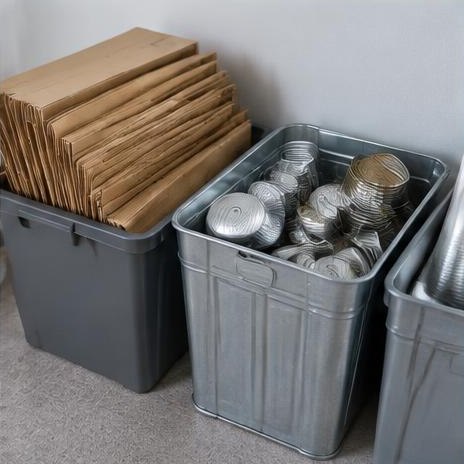
- Recycling: Sorting metals, plastics, glass, and paper to ensure they are sent to processing plants for repurposing.
- Recovery: Sending non-recyclable materials to "energy-from-waste" facilities where they are incinerated to produce electricity.
- Disposal: Landfill is treated as the final, least-desired option, reserved only for materials that cannot be processed in any other way.
Navigating Sentimental and Financial Value
One of the most sensitive aspects of hoarder clearance waste disposal is the discovery of items that hold deep meaning. Our teams are trained to look for photographs, legal documents, jewellery, and heirlooms that may be buried beneath layers of clutter. We don't just "clear out"; we "sort through," ensuring that "responsible disposal" never means losing what matters most.
For probate clearance or deceased estate clearance, this process is even more critical. We work closely with executors and solicitors to ensure that all assets are accounted for before any disposal takes place, providing peace of mind during a difficult period of bereavement.
The Operational Process of Hoarder Clearance
A successful clearance is built on a foundation of clear communication and a well-defined plan. We don't believe in a one-size-fits-all approach; every property is unique, and every client has different needs. The process is designed to be as stress-free as possible for the occupant and their support network.
Initial Assessment and Safety Audit
Before a single item is moved, we conduct a thorough assessment of the property. This includes checking for:
- Structural Integrity: Ensuring floors and stairs can safely support the movement of teams and equipment.
- Biohazard Presence: Identifying mould, pest infestations, or animal waste that may require specialist PPE (Personal Protective Equipment).
- Access Points: Planning the safest and most discreet route to remove items from the building to our transport vehicles.
Discreet and Respectful Removal
We understand the stigma that can sometimes be associated with hoarding. To protect your privacy, we operate with a level of discretion that standard skip-hire companies cannot offer. Our teams work efficiently to minimize the time spent on-site, using closed vans to ensure that the contents of the clearance are not visible to the public or neighbours.
During the clearance, we maintain a calm and supportive atmosphere. We are guests in your home, or the home of your loved one, and we treat every possession with the respect it deserves, even those destined for the recycling centre.
Health and Safety Regulations in UK Property Clearance
Property clearance, particularly in severe cases, is subject to the Health and Safety at Work Act 1974 and various waste management regulations. Ensuring the safety of our staff, the clients, and the general public is our highest priority.
Managing Biohazards and Pests
In some long-term hoarding situations, the accumulation of organic matter can lead to secondary issues such as rodent infestations or heavy mould growth. These are not just unpleasant; they are health risks. Our Hoarder Clearance services include the safe handling of these environments, using industry-grade disinfectant and protective gear to neutralise threats before the final clearance is completed.
Waste Carrier Licensing
In the UK, anyone transporting waste as part of a business must be registered as a waste carrier with the Environment Agency (in England), Natural Resources Wales, or SEPA (in Scotland). Hoarders-Clearance.com is fully licensed, meaning we are authorised to transport and dispose of household waste. We provide all clients with a Waste Transfer Note, which acts as a legal receipt, detailing what was collected and where it was taken.
Why the Waste Transfer Note Matters
- Legal Protection: It proves you have fulfilled your "duty of care" as a householder or landlord.
- Traceability: It lists the site where the waste was processed, ensuring it hasn't been fly-tipped.
- Audit Trail: Essential for probate records or when clearing a property for a housing association.
Restoring the Property: Beyond Just Clearing
The goal of hoarder clearance waste disposal isn't just to empty a room; it’s to restore a home. Once the layers of clutter are removed, the true condition of the property can be assessed. Often, a property that seemed beyond repair simply needs a professional touch to become functional again.
Decontamination and Odour Neutralisation
Long-term accumulation often leaves behind lingering odours or surface bacteria. Once the items are cleared, we can provide thorough clearance services that target floors, walls, and fixtures. This is a vital step in making the property habitable again, whether you are planning to move back in, sell the property, or prepare it for new tenants.
Preparing for Sale or Probate
For those managing a deceased estate, the clearance is often a prerequisite for a RICS valuation or a sale. A clear, clear property is much easier to value and market. By managing the responsible disposal of hoarded items, we help executors fulfil their duties quickly and efficiently, often adding significant value back to the estate by revealing the property's true potential.
The Psychological and Emotional Aspect
We recognise that hoarding is often a symptom of complex emotional or psychological challenges. Our approach is grounded in empathy. We are not there to judge the state of the home; we are there to provide a solution that allows the individual to move forward in a safe, healthy environment.
Working with Families and Support Networks
Clearance is often a collaborative effort involving family members, social workers, or mental health professionals. We act as a professional partner in this circle of care, providing the physical "muscle" and logistical expertise to support the emotional work being done by others. We proceed at a pace that is manageable, ensuring the occupant feels involved rather than overwhelmed.
Reclaiming Living Space
The transition from a cluttered environment to a clear one can be life-changing. It restores the ability to use the kitchen, sleep in a bedroom, and host visitors. Our focus remains on the "functional" aspect of the home—ensuring that the results of the hoarder clearance waste disposal are sustainable and provide a foundation for a better quality of life.
Costs and Considerations
One of the most common questions we receive is regarding the cost of hoarder clearance. Because every situation is unique, pricing is typically based on a few key factors:
- Volume of Material: Measured by the number of van loads or the weight of the waste.
- Type of Waste: Hazardous materials or heavy items like rubble cost more to dispose of at commercial centres.
- Access: Properties with difficult access (e.g., high-rise flats without lifts) may require more man-hours.
- Level of Sorting: A "clear all" approach is faster than a "meticulous sort," where every item is checked for valuables.
We provide transparent, no-obligation quotes after an initial assessment. This ensures there are no hidden fees and that you understand exactly what the service entails. Investing in professional clearance often saves money in the long run by preventing structural damage to the property and avoiding potential legal fines for improper waste disposal.