Last updated
On this page
- Key Takeaways
- The Initial Assessment: Understanding the Scope
- Step-by-Step Guide: How to Clear a Hoarded Bathroom
- Managing Sensitive Items and Paperwork
- The Importance of Professional Support
- Structural and Environmental Considerations
- Legal and Regulatory Compliance in the UK
- Best Practices for a Respectful Clearance
- After the Clearance: Maintaining a Clear Space
- Final Considerations for Property Owners
Clearing a bathroom affected by chronic accumulation presents unique challenges that differ significantly from other rooms in a property. Beyond the logistical effort of removing items, these spaces often involve complex sanitation issues, moisture-related risks, and delicate plumbing considerations. Understanding how to clear a hoarded bathroom requires a structured approach that prioritises safety, hygiene, and the dignity of the residents.
At Hoarders-Clearance.com, we specialise in restoring functionality to overwhelmed properties through professional hoarder house clearance. Whether you are managing the home of a loved one or overseeing a deceased estate clearance, our goal is to provide a discreet, respectful, and efficient path toward reclaiming a safe living environment.
Key Takeaways
- Safety First: Protective equipment is essential due to potential biological hazards and chemical cross-contamination.
- Structured Clearance: Working from the doorway inwards prevents tripping hazards and ensures a clear exit route.
- Moisture Management: Bathrooms often hide structural damage beneath accumulated items; careful inspection is vital.
- Professional Support: Complex clearances involving hazardous waste or high volumes of items often require specialist severe hoarding clearance services.
- Responsible Disposal: All materials must be handled via responsible waste disposal channels, adhering to UK environmental regulations.
What is Hoarded Bathroom Clearance?
A hoarded bathroom clearance is the professional process of removing accumulated possessions, waste, and debris from a bathroom to restore access and sanitation. This specific type of property clearance involves the identification and removal of expired toiletries, saturated textiles, and potentially hazardous biological materials.
The process often requires more than simple decluttering. It involves managing the unique risks associated with the "wet room" environment, such as black mould growth, damp-compromised flooring, and inaccessible plumbing fixtures. Specialist teams use these techniques to ensure the space is not only clear but safe for future use or renovation.
Core Objectives of a Bathroom Clearance
- Restoring Access: Ensuring the toilet, sink, and shower/bath are physically reachable and functional.
- Mitigating Risk: Removing fire hazards, slip risks, and biological contaminants like stagnant water or mould.
- Structural Preservation: Checking for leaks or water damage that may have been hidden by clutter for years.
- Dignity and Comfort: Reclaiming a space essential for personal hygiene and well-being.
The Initial Assessment: Understanding the Scope
Before beginning the physical removal of items, a thorough assessment is necessary. You must evaluate the volume of material, the types of items present, and any immediate safety concerns. This stage is crucial for determining if the project is manageable as a DIY task or if it requires the expertise of Hoarder Clearance services.
Check for the stability of the floor, especially if heavy items have been stacked in the bathtub or around the toilet. In many hoarded bathroom clearance guide resources, the focus is on the surface, but in reality, the weight of accumulated paper or textiles combined with moisture can compromise the building's integrity.
Identifying Common Bathroom Hazards
Bathrooms are prone to specific types of hazards that are exacerbated by hoarding behaviours. Understanding these risks helps in choosing the right protective gear and clearance method. Common issues include:
- Biological Risks: Human waste, expired medications, and mould spores.
- Chemical Hazards: Corroded bottles of clearance agents that may have leaked or mixed.
- Physical Risks: Slippery surfaces, sharp objects hidden in clutter, and structural collapse.
- Pest Infestations: Damp environments often attract silverfish, cockroaches, or flies.
Essential Equipment for Clearance
To safely manage the process of how to clear a hoarded bathroom, you should gather professional-grade supplies. If you are handling this independently, do not cut corners on personal protective equipment (PPE). We recommend:
- Heavy-duty disposable gloves (nitrile or latex-free).
- FFP3 grade face masks to protect against mould spores and dust.
- Eye protection to guard against splashes or falling debris.
- Robust, puncture-resistant waste sacks.
- A reliable torch for inspecting dark corners once items are removed.
Ready to discuss your clearance? Request a free quote or call us to talk through your requirements.
Step-by-Step Guide: How to Clear a Hoarded Bathroom
To prevent feeling overwhelmed, we suggest following a logical sequence. The bathroom is often the smallest room in the house but can be the most densely packed. Following a consistent guide ensures that you do not miss hidden dangers while making visible progress.
Step 1: Establishing a Safe Entry Point
Start at the door. Often, bathrooms in hoarded properties cannot be fully opened. Use a "triage" approach to clear a path that allows the door to open 90 degrees. This ensures that you have a clear escape route and allows for better ventilation.
As you remove items from the doorway, immediately place them into categorised bags. Do not move items from one part of the bathroom to another; this only displaces the problem. Items should go directly from the bathroom to a designated sorting area outside the room or straight to responsible waste disposal containers.
Step 2: Sorting and Categorisation
Bathroom items generally fall into four categories. Using these buckets helps speed up the decision-making process, which is often the most exhausting part of a hoarder house clearance.
- Obvious Waste: Expired toiletries, empty bottles, damp newspaper, and perished sponges.
- Sanitary Items: Towels and linens. If these are heavily soiled or mouldy, they should be treated as waste.
- Medication: These should be set aside for safe disposal at a local pharmacy rather than thrown in the general bin.
- Sentimental or Valuable Items: Jewellery or personal documents sometimes end up in the bathroom for safekeeping and must be set aside.
Step 3: Excavating the "Zone of Function"
Prioritise clearing the areas surrounding the toilet and the sink. Reclaiming these fixtures provides an immediate sense of progress and restores basic hygiene capabilities. If the toilet is blocked or the cistern is leaking, you may need a plumber once the area is accessible.
Be cautious when clearing under the sink. This is a common area for leaks and chemical spills. If you find standing water or a foul odour, it may indicate a sewage leak, at which point you should pause and consult professionals specialising in Hoarder Clearance services to manage biological hazards safely.
Step 4: Clearing the Bath and Shower
The bath is often used as a storage vessel in hoarded homes. Because it can hold a significant volume, work in layers. Be mindful that the items at the bottom may be saturated with moisture from previous use or leaks, making them significantly heavier than they appear.
Inspect the drain as you reach the bottom. Years of accumulation often lead to hair and debris clogs that can cause flooding once you attempt to use the water again. Removing the bulk of the items is the first step toward a full restore of the plumbing system.
Managing Sensitive Items and Paperwork
In many cases of probate clearance or deceased estate clearance, the bathroom may contain more than just toiletries. We often find that medication bottles provide crucial medical history for executors, or that valuable items were hidden in cupboards for security.
We recommend keeping a small "discovery box" just outside the bathroom door. Any photographs, legal documents, or items of high sentimental value should be placed there immediately. This prevents them from being lost in the larger volume of waste removal.
Dealing with Expired Medications
It is common to find large quantities of prescription and over-the-counter drugs in a hoarded bathroom. These should never be flushed down the toilet or placed in household bins, as they can contaminate the water supply.
Place all medications into a separate, clear bag. In the UK, most community pharmacies will accept these for safe, responsible waste disposal. This is a vital step in maintaining environmental safety during the clearance process.
The Importance of Professional Support
While some family members attempt to manage a hoarded bathroom clearance guide on their own, the scale or state of the property often makes this impossible. Professional severe hoarding clearance teams bring experience that far exceeds simple clearance.
Specialists are trained to handle "Level 4" or "Level 5" hoarding situations (as defined by the Clutter Image Rating scale). At these levels, the bathroom may be completely inaccessible, and the risk of structural failure or severe bio-contamination is high. Engaging a professional service ensures the job is done discreetly and without judgment.
When to Call the Experts
- Structural Concerns: If the floor feels soft or there is visible sagging under the weight of the clutter.
- Biohazards: If there is evidence of human or animal waste, or if the toilet has been non-functional for an extended period.
- Volume: If the bathroom is filled floor-to-ceiling, making it impossible for a layperson to safely navigate.
- Time Constraints: If a property must be cleared quickly for probate or sale.
You can find more information about these specialised support on our Hoarder Clearance page, which outlines how we support families through the most difficult stages of property restoration.
Structural and Environmental Considerations
A hoarded bathroom is not just a storage problem; it is an environmental one. The lack of airflow in a cluttered space leads to high humidity, which can damage the fabric of the building. As you follow the steps on how to clear a hoarded bathroom, keep an eye out for these specific issues.
Identifying Damp and Rot
Once the flooring is visible, check for signs of dry rot or wet rot. In UK homes, particularly older properties, long-term dampness can destroy floor joists. If the lino or carpet feels "spongy," it likely means the subfloor needs replacement.
Similarly, inspect the walls behind where items were stacked. Black mould (Aspergillus or Stachybotrys) is common. While our focus is on clearance, identifying these issues early allows you to bring in the necessary trades to restore the room to a habitable condition.
Ventilation and Odour Control
Odours in a hoarded bathroom can be overwhelming. This is often caused by a combination of stagnant water, mould, and trapped organic matter. During the clearance, keep windows open if possible, and use industrial air purifiers if you are working with a professional team.
Avoid using heavy perfumes or "air fresheners" to mask the smell, as these can react with existing chemical odours. The most effective way to eliminate the smell is the complete removal of the saturated materials—carpets, bath mats, and porous wall coverings often need to be disposed of entirely.
Legal and Regulatory Compliance in the UK
When undertaking a property clearance, particularly one involving large volumes of waste, you must comply with UK law. This is especially relevant for landlords or executors managing a deceased estate clearance.
Waste Carrier Regulations
If you hire a clearance company, they must be a Registered Waste Carrier with the Environment Agency (or the equivalent body in Scotland/Wales). This ensures that the waste from the hoarded bathroom is disposed of at authorised sites and not fly-tipped.
At Hoarders-Clearance.com, we pride ourselves on responsible waste disposal. We provide all necessary documentation to prove that items have been handled correctly. This protects you from potential fines and ensures that as much material as possible is diverted from landfill through recycling.
Duty of Care
As the person responsible for the property, you have a "Duty of Care" regarding the waste generated. This means you must ensure that whoever removes the waste is authorised to do so. Always ask for a Waste Transfer Note as part of the clearance process.
Best Practices for a Respectful Clearance
Hoarding is a sensitive issue, often linked to mental health challenges or bereavement. The process of how to clear a hoarded bathroom must be handled with the highest level of dignity for the occupant. A judgment-free approach is the baseline for all our interactions.
Communication Strategies
If the resident is involved in the process, use clear, non-threatening language. Focus on "safety" and "functionality" rather than "getting rid of unwanted items." For example, instead of saying "we need to throw this waste away," try "we need to clear the floor so you can walk to the sink safely."
Validate the difficulty of the process. Clearing a space that has been closed off for years can be emotionally taxing. Providing a manageable schedule—breaking the room into small sections—can help reduce the anxiety associated with the clearance.
Maintaining Discretion
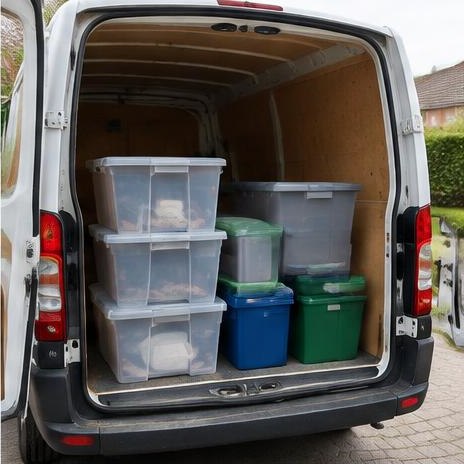
A hoarded property can sometimes attract unwanted attention from neighbours. Professional clearance teams use unmarked or discreetly branded vehicles to maintain the privacy of the family. We understand that this is a private matter and should be treated with the utmost confidentiality.
After the Clearance: Maintaining a Clear Space
Once the bathroom has been cleared, the focus shifts to preventing re-accumulation. This is a critical part of the guide, as the bathroom is often the first place systems can break down again.
Setting Up Functional Systems
- Minimalist Storage: Only keep what is essential for daily hygiene.
- Visible Surfaces: Aim to keep the floor and countertops as clear as possible to allow for regular clearance.
- Routine Checks: For residents who struggle with hoarding, having a weekly "check-in" can prevent small amounts of clutter from becoming a large-scale issue.
- Professional Maintenance: In some cases, regular visits from Hoarder Clearance can provide the ongoing support needed to keep the property safe.
Final Considerations for Property Owners
Taking the first step to address a hoarded bathroom is a significant move toward restoring the health of a home. It is a process that requires patience, a clear plan, and often, the right professional partners. By focusing on safety and dignity, you can reclaim a vital part of the home and ensure the well-being of everyone involved.
If you are feeling overwhelmed by the prospect of how to clear a hoarded bathroom, remember that you do not have to face it alone. Whether you need a full severe hoarding clearance or advice on responsible waste disposal, help is available to make the process manageable and successful.