Last updated
On this page
Understanding how to sort belongings in a hoarded house is a complex task that requires a delicate balance of logistical planning and emotional sensitivity. When a property reaches a state of chronic accumulation, the sheer volume of items can make the environment feel impossible to navigate.
The process involves more than just removing waste; it is about restoring safety, reclaiming living space, and managing possessions with dignity. Whether you are assisting a family member or preparing a property for probate clearance, a structured approach is essential to avoid becoming overwhelmed.
Key Takeaways
- Safety First: Always prioritise personal protective equipment (PPE) and structural assessments before sorting hoarded items.
- The Three-Category Method: Use a simple system of "Keep," "Donate/Sell," and "Responsible Disposal" to maintain momentum.
- Emotional Pacing: Focus on small, manageable areas rather than the entire house to prevent decision fatigue.
- Discreet Support: Professional clearance services provide a non-judgmental, efficient way to reclaim a property.
- Waste Compliance: Ensure all removed items are handled according to UK waste management regulations and responsible waste disposal standards.
For those facing these challenges, our professional clearance services offer a compassionate and efficient way to manage the transition. You can learn more about our specialised approach by visiting our Hoarder Clearance services page, where we detail our commitment to discreet and respectful property restoration.
What is Hoarding Clearance?
Hoarding clearance is the professional process of clearing properties affected by severe accumulation, where items have blocked access to rooms, exits, or essential services. Unlike a standard house move, this requires specialist knowledge of responsible waste disposal and the ability to identify items of value amidst heavy clutter.
The goal of deciding what to keep during hoarder clearance is to return the home to a functional, safe, and manageable state. This often involves navigating "churning"—the act of moving items from one pile to another without actually discarding them—by implementing a strict sorting framework.
The Initial Preparation Phase
Before you begin sorting hoarded items, you must prepare the environment for safe entry. In cases of severe hoarding clearance, properties may have hidden structural damage, mould, or biohazards that require professional assessment.
Essential Preparation Steps:
- Health and Safety: Wear thick gloves, sturdy footwear, and a FFP3 mask to protect against dust, allergens, or biological particulates.
- Utilities Check: Ensure electricity and water are safe, especially if items have been stored near heaters or damp walls.
- Access Routes: Clear a path to the main exit immediately to ensure a safe escape route is always available.
- Staging Area: Designate a specific zone—either a cleared room or a secure outdoor space—where items can be placed for final sorting.
Mental and Emotional Readiness
Clearing a deceased estate clearance or a long-term family home is emotionally taxing. How to sort belongings in a hoarded house effectively depends heavily on your mental stamina. We recommend setting a timer for two-hour intervals to ensure you take regular breaks.
It is important to acknowledge that every item may hold a memory or a perceived future use. Approaching the task with compassion and a focus on reclaiming the space, rather than "throwing things away," can help reduce the anxiety associated with the process.
Ready to discuss your clearance? Request a free quote or call us to talk through your requirements.
A Step-by-Step Guide to Sorting Hoarded Items
The most effective guide for sorting hoarded items involves a methodical, room-by-room strategy. Attempting to tackle the whole house at once often leads to half-finished tasks and increased stress. Instead, start with the smallest room or the one with the most immediate utility, such as a bathroom or a hallway.
Step 1: The First Pass (Obvious Waste)
The initial stage of how to sort belongings in a hoarded house is the removal of clear waste. This includes items that are broken beyond repair, expired food, or soiled materials. By removing these first, you create physical space to see the remaining possessions more clearly.
Step 2: Implementing the Box System
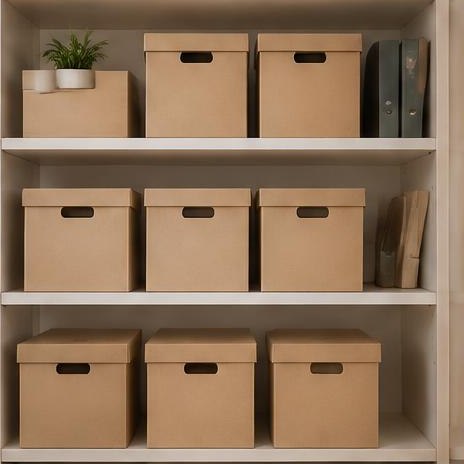
Use large, clearly labelled bins or boxes to categorise everything you touch. Avoid making piles on the floor, as these can easily collapse or merge back together. Your categories should be:
- Keep (Essential): Daily use items, legal documents, and high-value sentimental pieces.
- Donate/Sell: Items in good condition that no longer serve a purpose in this specific home.
- Action: Documents that need shredding or items belonging to other people.
- Responsible Disposal: Everything else that cannot be reused or recycled.
Step 3: Deciding What to Keep During Hoarder Clearance
This is the most challenging part of the process. When deciding what to keep during hoarder clearance, ask functional questions rather than emotional ones. Does this item work? Have I used it in the last year? Does the home have a safe place to store it?
If the answer is no, the item should be moved to the donation or disposal category. In cases of probate clearance, you may also need to set aside items for professional valuation or legal distribution among heirs.
Specialist Considerations for Severe Clutter
In severe hoarding clearance, you may encounter obstacles that go beyond simple clutter. This is where professional authority and experience become vital to ensure the property is restored correctly and safely.
Managing Hazardous Materials
Hoarded properties often contain "hidden" hazards. These can include expired chemicals, sharp objects, or biological waste. Our team at Hoarder Clearance is trained to identify and handle these risks, ensuring all materials are processed through responsible waste disposal channels.
Common Hazards Include:
- Structural Strain: Heavy piles can weaken floorboards or block ventilation, leading to rot.
- Pest Infestations: Accumulated paper and textiles provide ideal nesting grounds for rodents or insects.
- Fire Risks: Blocked exits and flammable materials near heat sources are primary concerns for local fire authorities.
Paperwork and Vital Documents
One of the most time-consuming aspects of how to sort belongings in a hoarded house is managing paperwork. In many cases, important documents like birth certificates, wills, or property deeds are mixed with unwanted items mail and old newspapers. We recommend using a dedicated "Document Box" and moving all paper into it for careful review at a later, quieter time.
Responsible Waste Disposal and Recycling
At Hoarders-Clearance.com, we pride ourselves on responsible waste disposal. A significant portion of what is cleared from a property can often be recycled or diverted from landfill. This is not only better for the environment but also provides peace of mind that the clearance is being handled ethically.
The Recycling Process
Once sorting hoarded items is complete, the items marked for removal are transported to licensed waste transfer stations. Here, they are separated into streams such as wood, metal, plastic, and textiles. We ensure full compliance with UK Environment Agency regulations, providing you with the necessary waste transfer notes for your records.
Donations and Community Impact
Whenever possible, we encourage the donation of usable furniture and clothing to local UK charities. Reclaiming a space doesn't mean everything must go to waste; giving items a "second life" can often make the emotional process of hoarder house clearance easier for the family involved.
Working with Professional Clearance Specialists
Sometimes, the task is too large for one person or a family to handle alone. Specialist property clearance companies provide the manpower, equipment, and objective perspective needed to finish the job efficiently. We act as a trusted partner, taking the physical burden off your shoulders while maintaining a respectful and discreet presence.
Why Choose Professional Support?
- Efficiency: What might take a family months can often be completed by professionals in a matter of days.
- Expertise: We know how to handle severe hoarding clearance and deceased estate clearance with the required legal and safety protocols.
- Emotional Buffer: Having a third party manage the sorting helps reduce conflicts between family members.
- Full Restoration: Beyond just removal, we help restore the property to a manageable and habitable condition.
The Process of Engagement
When you contact us, we begin with a discreet assessment. We listen to your specific needs—whether it’s a full probate clearance or a targeted room-by-room clear. We then provide a clear, transparent plan that outlines the timeline and the methods we will use to reclaim the space.
Navigating Deceased Estate and Probate Clearance
Clearing a home after a bereavement adds an extra layer of complexity to sorting hoarded items. There are legal obligations to the executors and the HMRC that must be met. Probate clearance requires a methodical inventory of assets to ensure the estate is valued correctly.
Identifying Items of Value
During a deceased estate clearance, our team is trained to look for items that may have significant financial or sentimental value. This includes antiques, jewellery, and collectibles that might be obscured by general clutter. Deciding what to keep during hoarder clearance in these instances involves working closely with solicitors or executors to ensure all assets are accounted for.
Restoring the Property for Sale
Often, the goal of a clearance is to prepare the property for the UK housing market. A hoarded house in its original state is difficult to value or sell. By professionally clearing and restoring the space, you significantly increase the property's appeal to potential buyers and ensure it meets safety standards for surveyors.