Last updated
On this page
- Establish what “keep” means for this clearance
- Write a keep list that identifies the actual possessions
- Make labels readable without risking damage
- Agree a protected place for retained belongings
- Plan protection around the needs of the item
- Keep related parts and everyday essentials accessible
- Share the instructions with everyone involved
- Handle changes without leaving conflicting instructions
- Check retained possessions before arrangements conclude
- Keep essential belongings available during the work
- Preserve the parts that make possessions usable
- Resolve ownership separately from sentimental value
- Check retained belongings against everyday needs afterwards
When possessions are staying during a clearance, the practical task is to make that decision visible and protect those items throughout the work. A shared list, suitable labels and an agreed place for retained belongings can reduce uncertainty. This guide focuses on keeping possessions identifiable, accessible and protected, rather than deciding what should stay.
Establish what “keep” means for this clearance
A retained possession may remain where it is, move to another room or leave the property with its owner. Make the intended outcome explicit so that “keep” does not depend on someone remembering a conversation.
Useful instructions include:
- Keep in place: leave the item in its current position.
- Move within the property: retain it and identify its agreed destination.
- Owner taking away: set it aside for the owner, subject to an agreed arrangement.
- Hold pending confirmation: do not remove it while its status remains unresolved.
Avoid describing something as simply “sorted” or “done”. Those words describe progress, not what should happen to the possession.
Ask your chosen provider how retained items can be distinguished from items included in the clearance. If moving retained furniture or carrying belongings to a storage area would be needed, ask whether that work is available and included in the proposed arrangements.
Write a keep list that identifies the actual possessions
Build the list around recognisable objects and their locations. “Chair to keep” may be ambiguous; “blue upholstered chair beside the bedroom window” gives a clearer reference.
For each entry, record the item description, its current location and where it should remain or go. Include distinguishing details such as material, colour, an existing mark or an attached accessory. Avoid relying solely on brand names that may not be visible.
Use descriptions that someone unfamiliar with the home can understand. A family nickname for a cabinet may mean little to the person carrying it.
Where a photograph would help, connect it clearly to the written entry. Ask whether your provider can use photographs as part of the agreed instructions.
Keep the list focused on possessions being retained. A separate removal list may be useful, but combining both without clear headings can make instructions harder to follow.
Ready to discuss your clearance? Request a free quote or call us to talk through your requirements.
Make labels readable without risking damage
Use plain wording such as KEEP — LEAVE HERE or KEEP — MOVE TO BEDROOM. Colour can support the wording, but should not carry the instruction by itself. Labels need to remain understandable in different lighting and to people who distinguish colours differently.
Ask your provider which labelling approach their team can recognise and follow. Confirm whether they expect labels on individual objects, containers or designated areas.
Do not apply adhesive directly to delicate finishes, artwork, old paper, leather or textiles without suitable advice. A freestanding sign or an appropriate label attached to protective packaging may be preferable.
Position instructions where they can be seen before an item is lifted. A label underneath a cabinet is unlikely to help at the relevant moment.
Check that old moving labels or removal instructions will not contradict the current keep label. If they cannot safely be removed, make the current instruction unmistakable nearby.
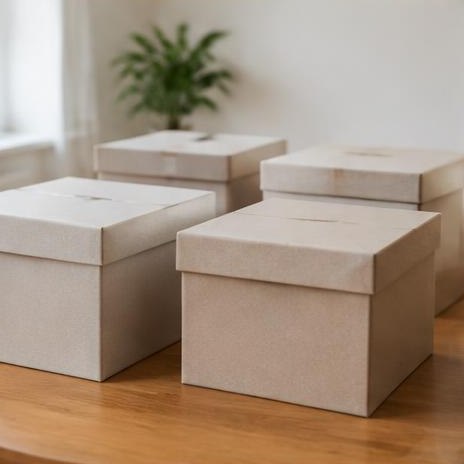
Agree a protected place for retained belongings
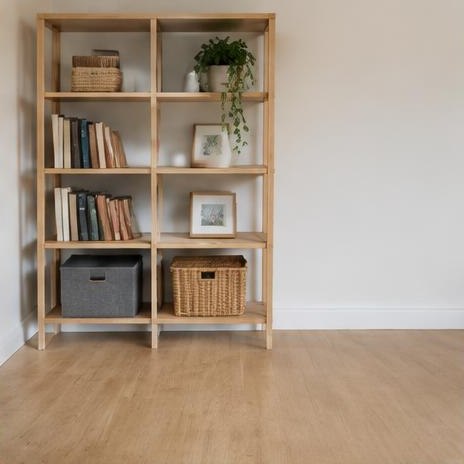
A keep area works best when its purpose is obvious and its location does not obstruct movement. It should not block doors, stairs, access routes or equipment that needs to remain accessible.
Ask whether your provider can leave an agreed room or area outside the clearance scope. Confirm how its boundary will be identified and whether anyone will need access through it.
Do not assume a closed door communicates “do not enter”. Use an agreed sign and include the area in the written instructions.
Consider the conditions around retained possessions. Avoid placing vulnerable belongings where they may encounter damp, direct heat, falling objects or activity associated with moving furniture. If suitable storage space is unavailable, discuss alternatives before work begins.
You do not need to move heavy or awkward items yourself to create a keep area. Ask whether suitable assistance is available, or whether those possessions can remain protected in place.
Plan protection around the needs of the item
Protection should suit the possession rather than simply cover it. An upholstered seat, a framed picture and an electronic device have different handling and storage needs.
Ask your provider what, if any, protective materials or handling arrangements they can offer for retained belongings. Confirm whether you need to arrange specialist packing or separate transport for anything particularly delicate.
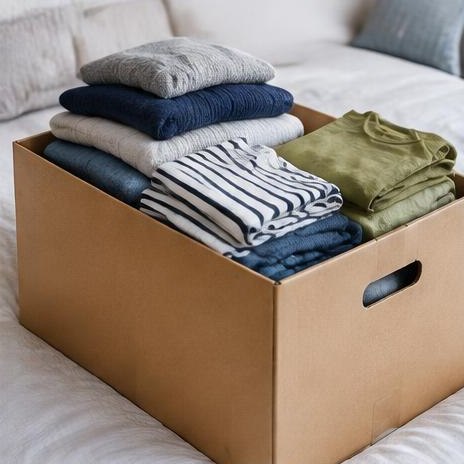
Before wrapping or boxing an item, make sure its identity and keep status will remain visible. Transfer the description to the outside of any packaging without relying on memory.
For electrical belongings, refer to manufacturer guidance about preparation, handling and storage. If disconnection or specialist attention may be necessary, ask who can appropriately undertake it; do not assume it forms part of clearance.
Avoid covering damage-sensitive surfaces with unsuitable materials. Where you are uncertain about a finish or object, seek appropriate handling advice rather than experimenting immediately before the clearance.
Keep related parts and everyday essentials accessible
An item can remain in the property yet become difficult to use if its accessories are separated. Include remote controls, charging leads, detachable shelves, furniture fittings and other associated parts in the retention arrangements.
Label containers with the item they belong to, rather than using vague descriptions such as “spares”. If parts are already detached, record where they are held. Ask whether your provider can keep related components together during any agreed movement.
Separate possessions needed during the clearance from those that can remain packed away. These might include mobility aids, communication devices, essential clothing or equipment used in everyday routines.
Keep access needs central to the plan. A retained chair or aid should not become inaccessible behind stored belongings.
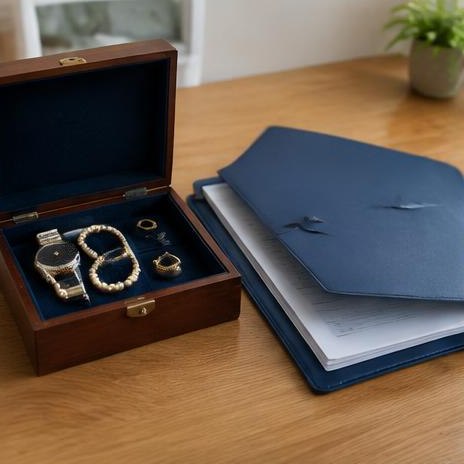
For documents and valuables, use a separate, appropriate arrangement rather than placing them in a general keep area. Their privacy and security needs deserve attention beyond ordinary item labels.
Share the instructions with everyone involved
Send the keep list through a channel agreed with your provider and ask whether it can be made available to the people attending. Supplying information during an enquiry does not necessarily mean everyone carrying out the work has seen it.
Before clearance starts, ask for a walkthrough focused specifically on retained possessions. Point out items staying in place, the keep area and any belongings that must not be moved without discussion.
Agree who can answer questions or authorise changes. Where possessions belong to different people, make sure the relevant owner’s instructions are represented rather than relying on assumptions.
If the owner will be absent, discuss how they or their nominated contact can be reached. Ask what the provider would do if clarification is needed and that contact cannot be reached.
Use direct, respectful wording. Someone should not need to explain the personal significance of an object for its keep instruction to be understood.
Handle changes without leaving conflicting instructions
Plans sometimes change after labels have been attached or a list has been shared. The important step is to update the whole instruction, not just tell whoever happens to be nearby.
If an item’s destination changes, revise its label and the shared keep list. Clearly identify the current version of the list and withdraw superseded copies where possible.
Ask your provider how changes should be communicated during the clearance. Confirm who will pass revised instructions to anyone else involved.
For belongings whose status becomes uncertain, agree an approach before work begins: ask whether they can remain untouched pending clarification. Do not assume that an unlabelled possession will automatically be retained.
Keep uncertainty separate from permission. “I am not sure about this cabinet” is not the same instruction as “remove this cabinet”. If a discussion remains unresolved, record that clearly so nobody has to infer the owner’s wishes.
Check retained possessions before arrangements conclude
Use the keep list as a checking aid, rather than relying on a general glance around the property. Confirm that listed possessions remain present and are in their intended locations.
Check associated parts and containers as well as the main objects. Look for anything that has become inaccessible, lost its label or been placed somewhere unsuitable.
If your provider has agreed to move retained items, ask whether a walkthrough can take place before the team leaves. If you cannot attend, discuss how the agreed contact could carry out that check or how locations could be confirmed.
Raise any concern promptly and describe the particular item and issue. Ask the provider what information they need and how concerns are handled; do not assume a particular process or outcome.
Keep the final list until you are satisfied that the retained belongings are accounted for. It can also help with later unpacking or rearranging.
Keep essential belongings available during the work
Some possessions need to remain usable throughout a clearance, not simply present at the end. Consider what the occupant will need to eat, communicate, rest and follow their usual routine while work is taking place. A retained item offers little practical benefit if it becomes inaccessible beneath packed containers.
Prepare a small group of everyday essentials with the person who uses them. Medication, glasses, hearing equipment and mobility aids may require particular attention. Keep medication in its original packaging and seek advice from a pharmacist if storage conditions are uncertain; clearance arrangements should not require changes to prescribed use.
Think about continuity beyond the immediate appointment. If someone will stay elsewhere, they may need keys, suitable clothing, contact details and essential paperwork with them. Confirm who will hold these belongings and how the person can reach them, especially if access to the property will temporarily change.
Preserve the parts that make possessions usable
A possession may depend on several easily overlooked components. A television without its remote control, an adjustable bed without its handset or a mobility device without its charger may be difficult to use. Check these relationships before accessories are separated from the main object.
Look beyond items that appear valuable. Small fittings can matter more to future use than their size suggests. Furniture bolts, detachable shelves and appliance attachments can become hard to identify once removed. If dismantling is proposed, ask who will keep the associated parts together and whether reassembly forms part of the arrangement.
Consider these connected belongings when checking what stays:
- Chargers, power supplies and device-specific cables.
- Keys for cabinets, windows and retained vehicles.
- Handsets, controllers and accessibility accessories.
- Fixings or supports removed from furniture.
- Instructions needed to operate unfamiliar equipment.
Do not unplug equipment that supports health or safety simply to gather its accessories. Ask the appropriate professional if moving it could interrupt an essential function. Where a cable or fitting cannot be identified confidently, seek confirmation before treating it as unrelated to anything being retained.
Resolve ownership separately from sentimental value
An item can matter deeply to one person while belonging to somebody else. Borrowed equipment, rented appliances and possessions held for relatives need a different conversation from belongings owned outright by the occupant. Record the ownership question without assuming that whoever is present can authorise a final decision.
If several people claim the same possession, avoid using the clearance appointment as the deadline for resolving the dispute. Ask whether the item can remain outside the agreed removal scope while advice or agreement is sought. Any temporary arrangement should make clear who can approve its eventual destination.
For an estate, ownership and authority may need confirmation from the person administering it or an appropriate adviser. Finding an object in the property does not by itself settle who should receive it. Keep distribution decisions separate from the practical task of moving belongings, particularly where jewellery, collections or documents are involved.
Check retained belongings against everyday needs afterwards
A final check should consider usefulness as well as presence. Can the person reach their usual chair, access clothing and find the equipment needed for the evening? Are important controls still accessible? These questions can reveal problems that a simple count of retained boxes would miss.
If something expected is not immediately visible, describe it precisely and establish when and where it was last seen. Ask the provider who should receive the query and what records might help trace its movement. Avoid opening heavy stacks or moving furniture without suitable assistance.
Finally, review any belongings placed on hold. Give unresolved decisions a named contact and an agreed opportunity for discussion, rather than allowing uncertainty to disappear into storage. The aim is not to force a decision, but to ensure that retained possessions remain connected to their owners, their purpose and a workable daily routine.