Last updated
On this page
- Key Takeaways
- Understanding the Post-Clearance Environment
- Strategic Maintenance: A Step-by-Step Guide
- Environmental Triggers and How to Avoid Them
- The Importance of Responsible Waste Disposal
- Creating a "Property Recovery" Schedule
- Financial Benefits of Maintaining a Clear Home
- Addressing Common Challenges and Misconceptions
- Building a Sustainable Future
Reclaiming a property from significant clutter is a profound achievement that offers a fresh start for homeowners, landlords, and families alike. However, the period following a hoarder house clearance is often a time of vulnerability, where the risk of clutter returning can feel overwhelming. Understanding how to prevent hoarding after a house clearance is not just about organisation; it is about establishing sustainable systems that protect the property’s functionality and the occupant’s wellbeing.
The transition from a high-risk environment to a manageable living space requires a structured approach. Without a proactive strategy for maintaining a clutter free home after hoarding clear-up, the habits that led to the initial accumulation may resurface. This guide provides a comprehensive framework for safeguarding your property, ensuring that the hard work of a professional clearance results in a long-term, dignified living environment.
Whether you are supporting a loved one or managing your own residence, the focus must remain on practical, manageable steps. By implementing clear boundaries and seeking the right support from Hoarder Clearance, you can ensure the property remains safe, accessible, and comfortable for years to come.
Key Takeaways
- Address the Root Cause: A house clearance removes the physical items, but ongoing support is essential to address the emotional drivers of hoarding.
- Implement the "One In, One Out" Rule: Prevent new accumulation by ensuring every new purchase is balanced by the removal of an existing item.
- Schedule Regular Maintenance: Professional check-ins or "mini-clearances" help manage small build-ups before they become unmanageable.
- Create Zone-Based Functionality: Define clear purposes for every room to prevent "dumping grounds" from forming in spare spaces.
- Utilise Discreet Professional Support: Engaging specialist Hoarder Clearance services provides an objective set of eyes to help maintain standards.
- Establish a Paperwork System: Mail and newspapers are common triggers; digitising or immediate recycling is vital for long-term success.
What is Hoarding Prevention Post-Clearance?
How to prevent hoarding after a house clearance is a systematic process of implementing environmental controls and behavioural boundaries to stop the re-accumulation of excessive possessions. It involves shifting from a state of "crisis management" to "routine maintenance," ensuring that a property remains functional, safe, and compliant with health and safety standards after a professional support.
Immediate Steps to Take Following a Clearance
- Seal the Perimeter: Stop the influx of new items immediately by pausing all non-essential shopping or "finding" missions.
- Set Up a Maintenance Schedule: Create a weekly checklist for high-traffic areas like the kitchen and hallway.
- Engage a Support Network: Inform trusted family members or professionals that the clearance has occurred and request regular visits.
- Visual Reminders: Keep photos of the cleared, clear rooms as a reference point for how the home should look.
Understanding the Post-Clearance Environment
The days immediately following an severe hoarding clearance can be emotionally taxing. The sudden change in the physical environment, while positive, can leave an occupant feeling exposed or anxious. It is important to recognise that the house is now a "managed space" rather than an "overflow space."
To succeed, one must treat the home as a functional tool. A kitchen is for cooking; a bedroom is for sleeping; a hallway is for transit. When items begin to encroach on these functions, it is a sign that the prevention plan needs adjustment. This is where maintaining a clutter free home after hoarding clear-up becomes a daily commitment to the property’s integrity.
The Role of Professional Oversight
Many clients find that a one-off clearance is only the beginning of the journey. Professional Hoarder Clearance can provide follow-up visits that are less about "clearing" and more about "honing." These visits act as a safety net, providing a professional, non-judgmental assessment of the home’s condition.
Specialists in deceased estate clearance or probate clearance also understand that the emotional weight of items can lead to hesitation in disposal. Having a third party handle the logistical aspects of waste disposal ensures that the "holding onto" phase does not transition back into a hoarding phase.
Ready to discuss your clearance? Request a free quote or call us to talk through your requirements.
Strategic Maintenance: A Step-by-Step Guide
Preventing a relapse requires more than willpower; it requires a logistics plan. The following steps are designed to be accessible and direct, focusing on the physical management of the home.
1. Establish "Hard Boundaries" for Surfaces
Flat surfaces—dining tables, kitchen counters, and stairs—are the first places where clutter typically starts to gather. In a hoarded home, these surfaces often disappear entirely. To prevent this, implement a "Clear Surface Policy."
At the end of every day, these specific areas must be returned to their empty state. If an item does not have a designated "home" in a cupboard or drawer, it must be assessed for disposal or donation immediately.
2. Manage the Inflow of Paperwork
Mail, flyers, and newspapers are primary contributors to domestic accumulation in the UK. Setting up a "Discard Station" by the front door is an effective tactic. This should include a recycling bin for immediate disposal of unwanted items mail before it ever enters the living areas. For essential documents, a single, small filing box should be the only permitted storage space.
3. The "One In, One Out" Mandate
This is a cornerstone of how to prevent hoarding after a house clearance. For every new item brought into the home—be it a piece of clothing, a kitchen gadget, or a book—an equivalent item must leave. This ensures the total volume of possessions remains static, preventing the slow "creep" of accumulation that characterises hoarding behaviour.
Practical Application of the Rule:
- Purchased a new coat? The oldest or least-worn coat must be donated.
- Bought a new magazine? The previous edition goes into the recycling.
- New kitchen appliance? The one it replaces is removed from the property.
Environmental Triggers and How to Avoid Them
Identifying why items were accumulated in the first place is key to maintaining a clutter free home after hoarding clear-up. Common triggers include "bargain hunting," sentimental attachment to "useful" items, or the fear of wasting resources. Recognising these patterns allows for the creation of "no-go" scenarios.
Avoiding the "Just in Case" Trap
Many individuals struggle with discarding items because they might be "useful one day." In a post-clearance home, this logic must be replaced with the "20/20 Rule." If an item can be replaced for less than £20 and in less than 20 minutes, it does not need to be stored "just in case."
Managing Gifts and Bequests
Following a deceased estate clearance, family members often feel a duty to keep everything. This is a high-risk situation for re-accumulation. It is essential to remember that memories reside in the person, not the object. Choosing one or two high-value or highly sentimental items to display respectfully is far more dignified than filling a spare room with boxes of "heritage" clutter.
The Importance of Responsible Waste Disposal
Knowing that items are being handled correctly can alleviate the guilt associated with discarding them. When you work with a professional hoarder house clearance company, you are assured of responsible waste disposal. This means items are sorted for recycling, donation to UK charities, or legal disposal at licensed facilities.
When an occupant knows their old belongings are being repurposed or recycled rather than simply "thrown away," they are often more willing to let go. This transparency builds trust and makes the ongoing maintenance of the home feel like a positive contribution rather than a loss.
Utilising Specialist Services
For properties that have suffered from severe hoarding, the environmental damage may require more than just a tidy-up. Using Hoarder Clearance for periodic thorough clearance ensures that hygiene standards are maintained. These professionals can spot early signs of hoarding—such as blocked vents or inaccessible radiators—that the occupant might overlook.
Creating a "Property Recovery" Schedule
A property doesn't become hoarded overnight, and it won't stay clear without a rhythm. We recommend a tiered approach to monitoring the home’s condition:
Daily Tasks:
- Wash and put away all dishes.
- Clear the hallway of shoes and bags.
- Empty the kitchen bin.
Weekly Tasks:
- Take out all recycling.
- Wipe down all visible surfaces.
- Check that all floor space is visible in every room.
Monthly Reviews:
- Invite a friend or family member over for a "walk-through."
- Assess any areas where items have started to "stack."
- Contact a professional clearance firm if any room feels "heavy" or difficult to navigate.
Financial Benefits of Maintaining a Clear Home
Beyond the emotional and health benefits, there are significant financial reasons for maintaining a clutter free home after hoarding clear-up. A clear home is easier and cheaper to maintain. Plumbers and electricians can access boilers and fuse boxes without the need for expensive "pre-service" clearances. Furthermore, the risk of structural damage from excessive weight or dampness is greatly reduced.
For those managing a probate clearance or preparing a house for sale, a well-maintained property retains its market value. Clutter-free homes are more attractive to buyers and easier to survey, preventing delays in the legal process of property transfer.
Addressing Common Challenges and Misconceptions
One of the biggest misconceptions is that a house clearance "fixes" hoarding. In reality, the clearance provides the opportunity for a fix. The physical removal of items is the surgery; the subsequent maintenance is the rehabilitation.
The "Empty Room" Anxiety
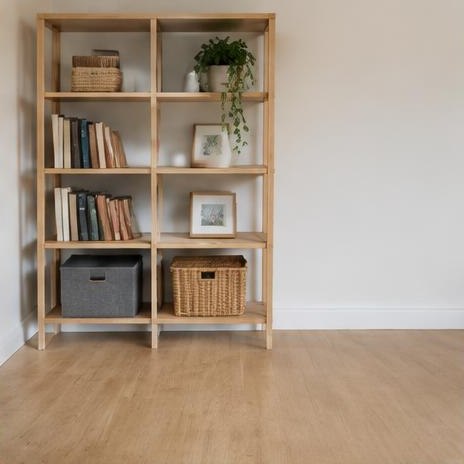
When a room is cleared, it can feel "echoey" or cold to someone used to high levels of accumulation. The temptation is to fill that space immediately. To combat this, we suggest "soft decorating." Instead of filling the room with objects, use light, colour, and functional furniture to define the space. A single chair and a lamp make a room a "reading room," giving it a purpose that excludes storage.
Dealing with Relapses
If you notice clutter starting to build up again, do not wait. The faster you act, the less traumatic the support will be. A "maintenance clearance" of one or two boxes is much easier to handle than a full-scale severe hoarding clearance six months down the line. Treat a small build-up as a signal to review your support system, not as a failure.
Building a Sustainable Future
The journey of how to prevent hoarding after a house clearance is one of persistence and compassion. By viewing the property as a valuable asset that deserves care, you shift the focus from "throwing things away" to "protecting the home."
Our role at Hoarders-Clearance.com is to provide that initial catalyst for change through professional, discreet, and respectful clearance services. However, we also stand as a resource for those looking to restore their lives long-term. Whether it is through advice on responsible waste disposal or providing a deceased estate clearance that honours a legacy without overwhelming a home, our goal is your long-term success.
Remember, a clear home is a safer home. It is a place where you can welcome visitors, where maintenance is simple, and where the environment supports your health. By following these practical steps and maintaining a clutter free home after hoarding clear-up, you are not just clearing a house; you are reclaiming your life.