Do You Need A Skip For Hoarder Clearance
Short answer
Contact us to discuss the information you need.
When faced with a property that has been affected by long-term accumulation, one of the first logistical hurdles is determining how to remove large volumes of items efficiently. Many people instinctively think of hiring a skip, yet the reality of a specialist property clearance often requires a more nuanced approach. Deciding whether you need a skip for hoarder clearance depends on the volume of material, the types of items involved, and the physical constraints of the property location.
In most professional settings, skip hire for hoarding clear-up is considered just one of many options. While it provides a static container for waste, it often lacks the flexibility, security, and discretion required for sensitive situations. We find that for many of our clients, a dedicated clearance vehicle managed by a professional team offers a more comprehensive and respectful solution than a standard skip sitting on a driveway for days.
Key Takeaways
- Volume assessment: A standard skip may only hold a fraction of the items found in a severely hoarded home.
- Discretion matters: Skips are highly visible and can attract unwanted attention or fly-tipping from neighbours.
- Loading logistics: You are responsible for loading a skip yourself, which is physically demanding and time-consuming.
- Permit requirements: If you don't have a private driveway, you will need a local council permit and safety lighting.
- Waste segregation: Skips have strict rules against hazardous materials, electronics, and chemicals commonly found in older properties.
- Professional alternatives: Using a specialist clearance service often proves more cost-effective and much faster than multiple skip rotations.
Do You Need a Skip for Hoarder Clearance?
Whether you need a skip depends on your ability to physically load it, the space available on-site, and the nature of the items being cleared. For small-scale decluttering, a skip may suffice; however, for severe hoarding clearance, a professional wait-and-load service is usually more efficient. A skip stays on your property until collected, whereas a professional team clears the space and removes the waste immediately, restoring order in a single visit.
To determine if a skip is the right choice for your situation, consider these factors:
- Total cubic yardage of the items to be removed.
- Availability of legal parking or driveway space.
- The presence of restricted items (fridges, paints, tyres, or biohazards).
- Your physical capacity to move heavy furniture and bags into a high-sided container.
- The emotional toll of having a visible reminder of the clearance process outside the home.
Understanding the Scale of Hoarding Clearance
Hoarding situations are rarely "standard" waste removals. They often involve layers of items that have been compacted over years, meaning the actual volume of waste is frequently two to three times higher than it appears on the surface. When you ask, "do you need a skip for hoarder clearance," you must first account for this "decompression" effect where items take up more space once moved.
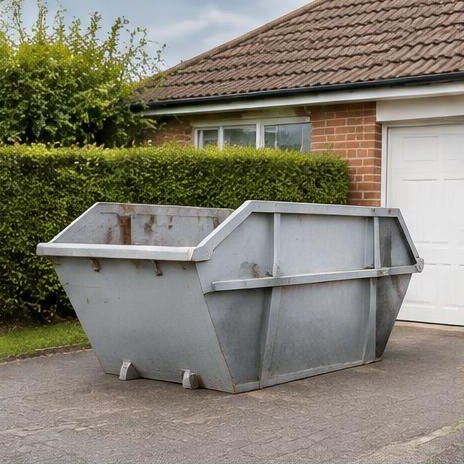
A typical three-bedroom hoarder house can easily generate 30 to 60 cubic yards of material. To put that in perspective, a standard "builder’s skip" holds about 8 cubic yards. Relying on skips would require five to eight separate deliveries and collections. This not only prolongs the process but also increases the total cost significantly compared to a single large-capacity clearance truck.
The Problem with Skip Volume Estimation
One of the most common mistakes is underestimating how many skips are needed. In a deceased estate clearance where hoarding was present, the volume of paper, textiles, and household goods can be staggering. We often see families hire one skip, fill it in two hours, and realise they haven't even finished clearing the hallway.
Professional Hoarder Clearance are trained to assess volume accurately before work begins. By using high-capacity luton vans or specialized waste trucks, we can remove the equivalent of three or four large skips in a single trip. This reduces the time the property remains in a state of upheaval and ensures the responsible waste disposal of all items.
The Hidden Logistics of Skip Hire for Hoarding Clear-up
Beyond just the size of the container, skip hire for hoarding clear-up involves several logistical challenges that can add stress to an already difficult situation. In the UK, local authorities have strict regulations regarding where skips can be placed and what can be put inside them. Failure to follow these rules can result in fines or the skip company refusing to collect the waste.
Permits and Street Constraints
If the property does not have a private driveway or a sufficiently large front garden, the skip must be placed on the public highway. This requires a skip permit from the local council, which can take several days to process and carries an additional fee. Furthermore, you may need to suspend parking bays, adding another layer of bureaucracy to the hoarder house clearance process.
In narrow UK streets or busy urban areas, getting a skip delivered at all can be impossible. A professional clearance vehicle, however, can park temporarily, be loaded quickly, and depart the same day. This "wait-and-load" approach is often the only viable solution for properties in terraced streets or blocks of flats.
The Risk of Fly-Tipping
A skip sitting outside a property is an open invitation for "neighbourhood contributions." It is very common for people to wake up and find that others have dumped their own waste, old mattresses, or hazardous waste into the skip overnight. This can lead to the skip becoming overweight or containing prohibited items that you will then be charged for.
When we manage a specialist property clearance, the waste goes directly from the house into our secure vehicles. There is no opportunity for third-party dumping, and the property remains clear of external clutter. This helps maintain the discreet nature of the work, protecting the privacy of the occupants or the family.
Prohibited Items and Environmental Compliance
Many people are surprised to learn that a skip is not a "catch-all" for every type of waste. Skip companies are strictly regulated and will often refuse to take certain items that are frequently found in hoarded properties. If you are handling a probate clearance, you may find various chemicals or old appliances that a skip firm won't touch.
Standard skip restrictions usually include:
- Electrical items (WEEE): Televisions, monitors, fridges, and small appliances.
- Hazardous liquids: Paint, oil, solvents, and clearance chemicals.
- Gas canisters: Even if they appear empty.
- Batteries and Tyres: These require specialist recycling streams.
- Plasterboard: Must often be separated and cannot be mixed with general waste.
- Asbestos: Often found in older floor tiles or lagging in neglected properties.
Responsible Waste Disposal Through Specialists
A professional severe hoarding clearance service is equipped to handle these restricted items correctly. We hold the necessary waste carrier registrations to transport and dispose of diverse waste streams. Instead of being stuck with a half-full skip that the driver refuses to collect because of a stray fridge, our team ensures every item is categorised and sent to the appropriate responsible waste disposal facility.
We prioritise recycling and donations wherever possible. Hoarded homes often contain items that, while currently buried, can be diverted from landfill. By avoiding the "all-in-one" skip method, we can sort items more effectively, ensuring that usable goods reach charities and recyclable materials are processed correctly.
The Physical and Emotional Impact
The question of "do you need a skip for hoarder clearance" isn't just about volume; it's about the human element. Clearing a home affected by hoarding is physically exhausting. A standard skip has high sides, meaning every heavy bag or piece of furniture must be lifted over the edge. For family members or elderly residents, this poses a significant risk of injury.
Furthermore, the sight of a skip being filled with a lifetime of possessions can be emotionally traumatic for the person who lived there. It feels final and public. A professional team provides a much more respectful and compassionate experience. We work inside the property, out of sight, and the removal happens in a way that feels managed rather than chaotic.
Restoring a Manageable Environment
Our goal at Hoarders-Clearance.com is to help you reclaim the property. This involves more than just throwing things away. It involves restoring the space to a functional state. When a professional team is used instead of a skip, the process is usually completed in a fraction of the time. What might take a family three weekends of skip-loading can often be done by a specialist crew in one or two days.
This speed is vital for deceased estate clearance where the property needs to be prepared for sale or returned to a landlord. It allows the family to move forward with the probate process without the looming shadow of a long, drawn-out clearance project.
Cost Comparison: Skip Hire vs. Professional Clearance
At first glance, hiring a skip may seem like the cheaper option. However, once you factor in all the variables, the costs can quickly spiral. To understand if skip hire for hoarding clear-up is truly economical, you must look at the "hidden" costs.
The Real Costs of Skip Hire
- The Permit: Depending on your local council, a permit can cost between £30 and £100 per week.
- Multiple Loads: As established, hoarded homes usually require several skips. Three large skips can easily cost over £900.
- Fines and Surcharges: Overfilled skips or the presence of prohibited items (like a hidden microwave) can result in heavy fines.
- Your Time: Your time has value. The weeks spent loading a skip are weeks the property is not being sold, rented, or lived in.
- Security: The cost of potential property damage or the hassle of dealing with fly-tipping.
The Value of Professional Services
A specialist hoarder house clearance service provides a fixed quote based on the actual volume and labor required. This price includes the labor to carry items out, the transport, and all disposal fees. Because we use larger vehicles and have established relationships with commercial waste transfer stations, we can often provide a more competitive price-per-cubic-yard than retail skip hire.
More importantly, the service includes the discreet and dignified handling of the situation. We can identify items of value, set aside sentimental photos or documents, and ensure the property is left in a manageable condition. This level of care is something a skip company simply cannot provide.
When Should You Use a Skip?
We believe in providing honest advice. There are specific scenarios where do you need a skip for hoarder clearance might be answered with a "yes." If the accumulation is very mild and confined to a single room, or if you are performing a very slow, phased decluttering over several months, a skip can serve as a convenient bin.
However, if the property meets any of the following criteria, a professional clearance is highly recommended over a skip:
- The clutter is waist-high or blocking exits.
- There are signs of pest infestation or biological hazards.
- The property contains a large amount of furniture or heavy white goods.
- The clearance needs to be completed within a specific timeframe (e.g., for an estate sale).
- The individual involved finds the presence of a skip distressing.
Step-by-Step Guide: Preparing for Professional Clearance
If you decide that a professional Hoarder Clearance services is better suited to your needs than a skip, there are a few steps you can take to make the process smoother. While our teams are happy to manage everything from start to finish, a little preparation can help us focus on what matters most to you.
1. Identify Essential Documents
In a hoarded home, important paperwork like wills, birth certificates, and property deeds can be buried. If you are able, try to identify where these might be kept so we can prioritise those areas and set aside anything that looks important.
2. Define "Keep" Zones
If the occupant is staying in the property, designate a specific room or area that will not be cleared. This provides a "safe space" during the process and ensures that essential daily items aren't accidentally removed during the severe hoarding clearance.
3. Check for Hazards
Inform us ahead of time if you are aware of any specific risks, such as sharp objects, broken glass, or structural issues with the floor. This allows our team to bring the correct Personal Protective Equipment (PPE) to ensure a responsible and safe clearance.
4. Communicate Special Requests
If there are specific items you are looking for—perhaps a piece of jewellery or a family heirloom—let us know. Our teams are incredibly respectful and will keep a keen eye out for specific items while clearing the property.
The Importance of Discretion
Hoarding is a sensitive issue that often carries a social stigma. Having a large skip parked outside a house for a week is a signal to the entire neighbourhood that something unusual is happening. This can lead to gossip or unwanted questions, which adds to the stress of the family or the individual struggling with hoarding.
Our approach at Hoarders-Clearance.com is built on discretion. Our vehicles are typically plain, and our teams work efficiently to remove items directly into the van. We don't leave piles of waste on the driveway or pavement. By the time the neighbours notice we are there, we have often finished the job and left the property looking significantly more manageable and cared for.
Specialist Situations: Beyond General Waste
In many severe property clearance cases, the contents of the home aren't just "unwanted items." There may be layers of contaminated materials that require specialist handling. Standard skip companies are not equipped to deal with the complexities of these environments.
Dealing with Biohazards
Neglected properties may have issues with mould, animal waste, or even human waste if facilities have failed. Loading these materials into a skip is often illegal and poses a health risk to the public. We use specialist containers and follow strict sanitation protocols to handle these risks safely, ensuring the property is restored to a safe condition for future habitation.
Probate and Deceased Estates
When clearing a deceased estate, there is a legal requirement to ensure that the contents are handled correctly for tax and inheritance purposes. A skip is a very blunt instrument for this task. We offer a more forensic approach, ensuring that items are cleared systematically, which can be very helpful for executors and solicitors during the probate clearance process.
Safety and Compliance in the UK
When choosing how to clear a property, compliance with UK law is non-negotiable. Whether you use a skip or a clearance company, the "Duty of Care" for the waste stays with you until it reaches a legal disposal site. If you hire a "man with a van" who fly-tips the items, you could be held legally responsible.
At Hoarders-Clearance.com, we provide full transparency:
- We are Environment Agency registered waste carriers.
- We provide waste transfer notes for every job.
- We hold comprehensive public liability insurance.
- We adhere to the Health and Safety at Work Act to protect our staff and your property.
Using a skip does not exempt you from these responsibilities. You must ensure the skip company is reputable and that you aren't putting prohibited items into the container, which could lead to environmental contamination.
Restoring Dignity to the Property
The ultimate goal of any hoarder house clearance is to move from a state of overwhelm to a state of peace. A skip is just a box; a professional clearance service is a partner in that transition. We understand that the items we are removing represent years of someone's life, and we treat every property with the dignity it deserves.
By choosing a professional team over a skip, you are choosing a solution that is faster, safer, and more compassionate. We take the physical burden off your shoulders, allowing you to focus on the emotional and legal aspects of the situation. Whether it's a probate clearance or helping a loved one reclaim their home, we provide the expertise needed to navigate the challenge successfully.
Match the container to the decision process
A skip is not automatically necessary for hoarding clearance. Its usefulness depends partly on whether removal decisions are complete or still developing. If belongings need individual review, hiring a container before agreement is reached can introduce avoidable pressure. Establish the authorised removal scope before choosing how material will leave the property.
Think about the sequence of work rather than just the apparent quantity. Would approved items become available gradually, or could they be collected together? A container remaining on site and a vehicle attending for a collection support different working patterns. Neither arrangement is inherently the right choice for every household.
Ask the proposed provider to explain how its suggested method fits that sequence. If the plan depends on everyone making quick decisions, reconsider whether it accommodates the person’s needs. The transport arrangement should follow the agreed clearance process, not determine which possessions are removed.
Assess the whole route to the loading point
A suitable space for a skip does not establish that items can safely reach it. Consider the route from the relevant rooms, including doorways, stairs, changes in level and shared areas. Discuss awkward or heavy objects separately rather than assuming that all approved belongings can be carried in the same way.
Ask who would undertake loading and what assistance or equipment the proposed arrangement includes. Skip hire and loading labour may be separate services. Likewise, a vehicle collection should not be assumed to include movement from every room unless that has been expressly discussed with the provider.
Check whether placement or vehicle movements would interfere with access needed by residents, visitors or emergency services. Where land is shared or belongs to someone else, establish whose agreement is needed. For highway placement, ask the operator and relevant council about applicable permissions and conditions rather than relying on general assumptions.
Compare complete arrangements rather than container sizes
Container capacity is only one part of a workable plan. Weight limits, permitted contents and loading restrictions can affect suitability even when the volume appears sufficient. Ask the supplier how these limits apply to the proposed material and what happens if the initial estimate proves inaccurate.
Request comparable descriptions of each option. One proposal might include carrying, loading and transport, while another covers the container alone. Without checking scope, apparent differences in cost or convenience may reflect different work rather than a better arrangement.
Useful comparison questions include:
- Who supplies the labour and any loading equipment?
- What material is included, and what needs another route?
- What access must remain available throughout the work?
- How are changed quantities discussed and authorised?
- What happens if delivery or collection cannot proceed?
Ask about collection arrangements before accepting delivery. If the container must remain accessible, establish how that affects other activity at the property. Do not assume that an additional visit, exchange or extended hire is included unless the supplier confirms it.
Protect retained belongings and personal information
Where a skip is used, keep approved material distinct from belongings that are staying or awaiting a decision. A nearby container can make it tempting for helpers to act on assumptions. Give everyone a shared understanding of which items are authorised for loading and who can resolve uncertainty.
Sensitive papers, photographs and devices containing personal information need their own decisions before removal. An outdoor container should not be treated as secure document storage. Ask about an appropriate route for confidential material without assuming that either skip hire or vehicle collection includes data protection services.
Consider how the arrangement feels to the person living at the property, including visibility and disruption. Ask what practical measures are available rather than expecting discretion from a particular vehicle or container type. The most suitable option is the one that accommodates the agreed work, access constraints and individual needs without adding unnecessary pressure.
Last updated
Frequently asked questions
While a single skip may look cheaper, a hoarder house clearance usually requires multiple skips plus permits. When you add the cost of your own time and the risk of surcharges for prohibited items, a professional clearance service is often more cost-effective and much faster.