Last updated
On this page
- Key Takeaways
- Understanding the Complexity of Hoarding
- Preparation: The Foundation of a Successful Clearance
- The Step-by-Step Clearance Process
- Professional Hoarder House Clearance: Why It Matters
- Specialist Services for Complex Situations
- Strategies for Long-Term Maintenance
- Common Challenges in Hoarding Clearance
- Legal and Regulatory Considerations
- Choosing the Right Partner for Clearance
Supporting a loved one through a hoarding disorder requires a delicate balance of emotional intelligence and practical action. Knowing how to help a hoarder clear their house involves more than just physical labour; it is about managing a complex mental health situation while ensuring the property remains safe and habitable.
At Hoarders-Clearance.com, we understand that "clearing out" is rarely a simple task. It is a process that touches upon bereavement, anxiety, and long-term attachment to possessions. Our role is to provide a discreet, professional, and respectful service that helps families reclaim their living spaces without causing further distress to the occupant.
Key Takeaways
- Prioritize Safety: Address immediate hazards like blocked exits or fire risks before tackling smaller items.
- Build Trust: Never remove items without consent, as this can lead to trauma and increased hoarding behaviour.
- Use Professional Support: Engaging a specialist hoarder house clearance service ensures the project is managed efficiently and safely.
- Focus on Function: Aim to restore the home to a "manageable" state rather than seeking perfection.
- Responsible Disposal: Ensure all waste is handled according to UK waste management regulations to avoid legal complications.
- Compassionate Pace: Understand that clearing a lifetime of accumulation is a marathon, not a sprint.
What Does Helping Someone With Hoarding Clear Their Home Involve?
Helping someone with hoarding clear their home is a structured process of reducing the volume of accumulated possessions to restore safety, accessibility, and hygiene to a property. It involves categorising items for retention, donation, recycling, or disposal while providing emotional support to the individual. Effective clearance requires a combination of specialist equipment, patience, and often the support of professional clearance teams.
- Establishing a safe zone for the individual to sit and process decisions.
- Identifying biological hazards or structural issues caused by severe clutter.
- Sorting items into distinct streams: Keep, Donate, Recycle, and Dispose.
- Utilising professional property clearance services to manage large-scale removal.
- Ensuring discreet operations to protect the privacy of the family and occupant.
Understanding the Complexity of Hoarding
Before you begin the physical work, it is vital to understand that hoarding is recognised as a distinct mental health condition in the UK. It is not merely a result of laziness or poor organisation; it is often a coping mechanism for trauma, grief, or anxiety. When you learn how to help a hoarder clear their house, you must first accept that their logic regarding possessions may differ from your own.
For many, every item—no matter how seemingly insignificant—holds a specific memory or a perceived future utility. Forcing a clearance without the individual’s cooperation often results in the hoard returning quickly, sometimes in a more severe form. This is why our approach at Hoarders-Clearance.com focuses on dignity and respect.
The Risks of Severe Accumulation
When clutter reaches a certain level, it moves beyond an aesthetic issue and becomes a significant health and safety risk. Severe hoarding clearance is often necessary because the property has become dangerous for the occupant or neighbours. We frequently encounter properties where floor loading is a concern or where fire exits are entirely blocked.
Additionally, long-term accumulation can lead to:
- Structural Damage: Undetected damp, rot, or pest infestations hidden behind piles of belongings.
- Fire Hazards: Large quantities of paper, textiles, or waste that act as fuel.
- Sanitation Issues: Difficulty accessing bathrooms or kitchens, leading to "neglect of the environment."
- Isolation: The occupant may stop allowing visitors or maintenance workers into the home due to shame.
Ready to discuss your clearance? Request a free quote or call us to talk through your requirements.
Preparation: The Foundation of a Successful Clearance
Success in helping someone with hoarding clear their home depends heavily on the preparation phase. You cannot simply turn up with a skip and expect results. You need a strategy that balances the practical needs of the property with the emotional needs of the person living there.
Communication and Consent
Start by having an open, non-judgmental conversation. Avoid using words like "waste," "unwanted items," or "trash." Instead, talk about "restoring space," "making the home safer," and "improving accessibility." It is essential that the individual feels they have some level of control over the process, even if the clearance is legally mandated by a local authority or landlord.
If the situation involves a deceased estate clearance or probate clearance, the emotional weight shifts to the surviving family members. In these cases, we act as a steady hand, helping you sort through a lifetime of memories with the sensitivity the situation deserves. You can learn more about our specific Hoarder Clearance services to see how we handle these delicate transitions.
Setting Realistic Goals
Do not try to clear the entire house in one weekend. This is often physically impossible and emotionally overwhelming. Focus on one room—or even one corner of a room—at a time. The goal is to make the property manageable again. If the kitchen is cleared, the individual can cook; if the bathroom is cleared, they can maintain personal hygiene. These functional wins are more important than aesthetic ones.
The Step-by-Step Clearance Process
When you are ready to begin the physical work of how to help a hoarder clear their house, follow a structured method. This prevents the chaos of the hoard from simply shifting from one room to another.
Step 1: The Safety Assessment
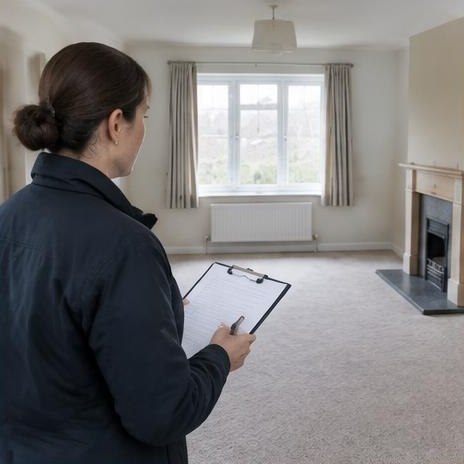
Before moving anything, assess the risks. Are there sharp objects? Is there evidence of mould or animal waste? In cases of severe property clearance, it is often necessary to wear Personal Protective Equipment (PPE), including gloves, masks, and sturdy footwear. If the property is structurally unsound or contains biohazards, you should immediately contact a professional Hoarder Clearance team.
Step 2: Create a Sorting Station
Designate an area outside the main hoard where items can be brought to be inspected. This area should be clear and well-lit. Having a dedicated space helps the individual focus on one item at a time rather than being distracted by the surrounding volume of possessions.
Use clear bins or boxes labelled:
- Keep: Items that are essential or have genuine sentimental value.
- Donate: Functional items that can benefit others (charity shops, furniture projects).
- Recycle: Papers, plastics, and metals that can be processed responsibly.
- Dispose: Damaged, soiled, or non-recyclable items.
Step 3: Clear the Pathways
Start with the hallways and doorways. Safety is the priority. Ensuring that someone can exit the building quickly in an emergency is the first step in helping someone with hoarding clear their home. Once the exits are clear, move to the areas where the individual spends the most time, such as the bedroom or a specific chair in the living room.
Step 4: Managing Sentimental Items
This is the most difficult stage. Items like old newspapers might seem like waste to you, but to the hoarder, they may represent a connection to a specific time or a piece of information they fear losing.
Tip: Suggest taking a photograph of the item before it is removed. This allows the individual to keep the memory without the physical bulk. For probate clearance, we often help families identify important legal documents and valuable heirlooms hidden within the accumulation.
Professional Hoarder House Clearance: Why It Matters
There comes a point where a DIY approach is no longer feasible. Severe hoarding clearance involves volumes of material that exceed the capacity of a standard domestic bin or a single skip. This is where professional support becomes vital for both safety and efficiency.
The Benefits of Professional Support
Working with a specialist company like Hoarders-Clearance.com provides several advantages:
- Speed: What might take a family months to clear, our professional teams can often manage in a few days.
- Discretion: We use unmarked or discreetly branded vehicles to maintain the privacy of the occupant.
- Expertise: We are trained to identify what can be salvaged and what must be disposed of as hazardous waste.
- Emotional Distance: We can remain objective and professional, which helps de-escalate the tension that often arises between family members.
Responsible Waste Disposal in the UK
One of the most overlooked aspects of how to help a hoarder clear their house is what happens to the items after they leave the property. In the UK, you have a duty of care to ensure that your waste is disposed of by a licensed carrier.
At Hoarders-Clearance.com, we take responsible waste disposal seriously. We are fully registered waste carriers and aim to recycle or donate a high percentage of everything we clear. This ensures that the environmental impact is minimised and that you are protected from "fly-tipping" fines that can result from hiring unregulated "man and van" services.
Specialist Services for Complex Situations
Every property is unique, and some require more than just basic removal. We provide tailored solutions for the most challenging environments.
Deceased Estate and Probate Clearance
When a family member passes away leaving a cluttered home, the task of clearing it falls to the executors. Probate clearance requires a methodical approach to ensure no assets or important papers are lost. We work closely with solicitors and executors to provide a comprehensive service that prepares the property for sale or transfer.
Animal Hoarding Clearance
This is a particularly sensitive area that involves not only the removal of items but also the management of biological waste and decontamination. Animal hoarding clearance requires specialist clearance protocols to ensure the property is safe for human habitation again. Our teams are equipped to handle these high-risk environments with the necessary PPE and clearance agents.
Neglected Properties and Squatter Clearance
We also assist landlords and property managers in restoring properties that have been neglected or occupied by squatters. These projects often involve large-scale waste removal and the clearance of hazardous materials. Our goal is to restore the property to a state where maintenance crews can enter to perform necessary repairs.
Strategies for Long-Term Maintenance
Clearing the house is the first step, but maintaining that space is a long-term challenge. Without a plan, the clutter often returns. As you learn how to help a hoarder clear their house, you must also look toward the future.
Establishing a "One In, One Out" Rule
Encourage the occupant to adopt a simple rule: for every new item brought into the home, one must leave. This helps prevent the slow creep of re-accumulation. It is a manageable way to keep the volume of possessions under control.
Regular Check-ins
Isolation is a common trigger for hoarding behaviour. Regular visits from family, friends, or professional support workers can provide the social connection needed to reduce the reliance on physical objects for comfort. If you are helping someone with hoarding clear their home, schedule follow-up days to help them sort through recent mail or purchases.
Professional Aftercare
Sometimes, a property requires a "thorough clearance" after the clearance is complete. While our focus is on clearance, we often work alongside specialist clearance team who can address the grime and decontamination needs that are revealed once the floor surfaces are visible again. This complete restoration of the living environment is key to a fresh start.
Common Challenges in Hoarding Clearance
Even with the best intentions, you will likely face obstacles. Recognising these early can help you navigate them without the project stalling.
The "Valuable" Item Trap
Occupants often believe their items are worth significant sums of money. While some antiques or collectibles may have value, the reality of severe hoarding is that many items are damaged by the way they have been stored. We provide a realistic assessment, helping families distinguish between genuine assets and items that have unfortunately reached the end of their life.
Decision Fatigue
Making hundreds of decisions about what to keep can be exhausting. When you see the individual becoming distressed or unable to choose, it is time to stop for the day. Pushing through decision fatigue usually leads to conflict. At Hoarders-Clearance.com, we are trained to spot these signs and adjust the pace of the clearance accordingly.
Storage Issues
Avoid the temptation to just move the hoard into a storage unit. This usually just moves the problem and creates a monthly financial burden. The goal should be to clear and reclaim, not just relocate. Storage should only be used for items that will genuinely be used in the newly restored home.
Legal and Regulatory Considerations
In the UK, there are several legal frameworks that may come into play during a large-scale clearance.
Mental Capacity Act
If the individual lacks the capacity to make decisions about their living conditions, social services may become involved. In these cases, helping someone with hoarding clear their home becomes a collaborative effort between the family, the council, and professional clearance specialists.
Environmental Health Orders
If a property is deemed a public health nuisance (for example, attracting vermin or causing a fire risk to neighbours), the local authority can issue an abatement notice. We have extensive experience working with clients who need to satisfy these legal requirements quickly to avoid further action or fines.
Insurance Requirements
Many home insurance policies can be invalidated if the property is considered a "hoarded environment" due to the increased risk of fire and structural damage. Clearing the property and restoring it to a standard condition is often necessary to maintain insurance coverage.
Choosing the Right Partner for Clearance
When searching for how to help a hoarder clear their house, the choice of contractor is critical. You need a team that understands the difference between a standard house clearance and a specialist hoarder house clearance.
What to Look For:
- Verified Waste Carrier Licence: Ensure they are legally allowed to transport waste.
- Public Liability Insurance: Protection against accidental damage during the clearance.
- Empathy and Training: The team should be trained in the basics of hoarding disorder and how to communicate with vulnerable individuals.
- Transparent Pricing: A reputable company will provide a clear quote based on the volume and type of material to be removed.
At Hoarders-Clearance.com, we pride ourselves on being a trusted partner. We don't just clear rooms; we help families navigate one of the most stressful periods of their lives. Our process is designed to be as stress-free as possible, providing you with the peace of mind that the property is in expert hands.