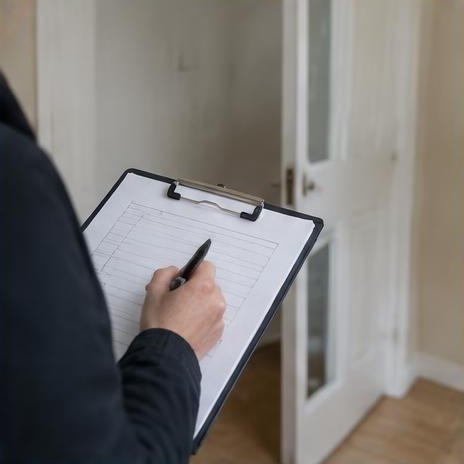
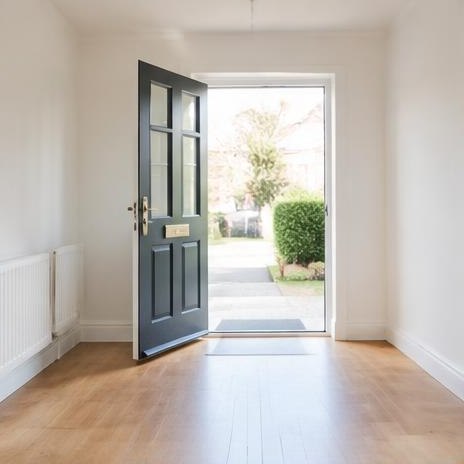
A clearance assessment is a review of access, contents and requirements before clearance. Its purpose is to establish what is known about the proposed work, identify important uncertainties and provide a basis for discussing scope and practical arrangements. In a hoarding context, the review should remain focused on the property and requested service rather than making assumptions about the person living there. An assessment is not automatically permission to remove belongings, nor does it necessarily replace specialist advice about particular items or conditions.
Establishing the assessment brief
The first question is what the assessment is meant to establish. A provider may be asked to consider selected furniture, access to one room or a broader removal proposal. Without a clear brief, the assessor may gather information that does not answer the resident's actual question. Ask what the visit or remote review includes and what output will follow.
For example, a resident might want to know whether several agreed items can be removed from an upstairs room. An assessment of the entire property's contents could be unnecessary unless broader conditions affect that request. The brief should identify the requested items and any relevant limits on the visit.
It is also useful to distinguish information gathering from decision-making. Ask whether the assessor will discuss possible destinations, prepare a quotation or simply identify what further information is required. These outcomes overlap, but they are not interchangeable.
Reviewing entrances and carrying routes
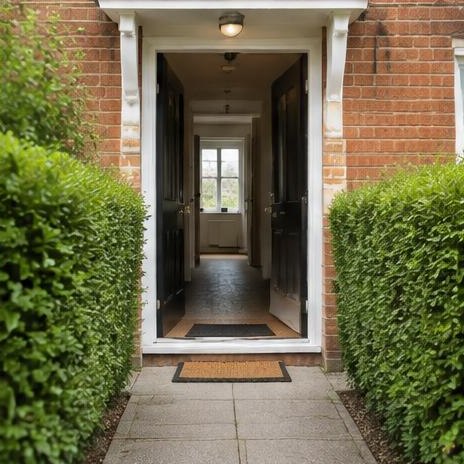
Access assessment considers the route between the relevant belongings and the point where they would leave the property. Entrances, stairs, landings, doorways, shared spaces and vehicle access may all affect the proposed arrangements. Ask how the provider checks these features and which details need confirmation from a property contact or other appropriate person.
For example, photographs might show a large armchair clearly while omitting the narrow turn outside the room. The assessor may need additional information before saying whether its removal is included in the proposed service. A statement about the item's size alone would not resolve the access question.
Ask how shared access will be considered and whether any applicable permissions need checking. The assessment should record uncertain arrangements rather than present them as settled. It should also explain when access limitations prevent a reliable view of contents elsewhere in the property.
Ready to discuss your clearance? Request a free quote or call us to talk through your requirements.
Describing contents and quantity
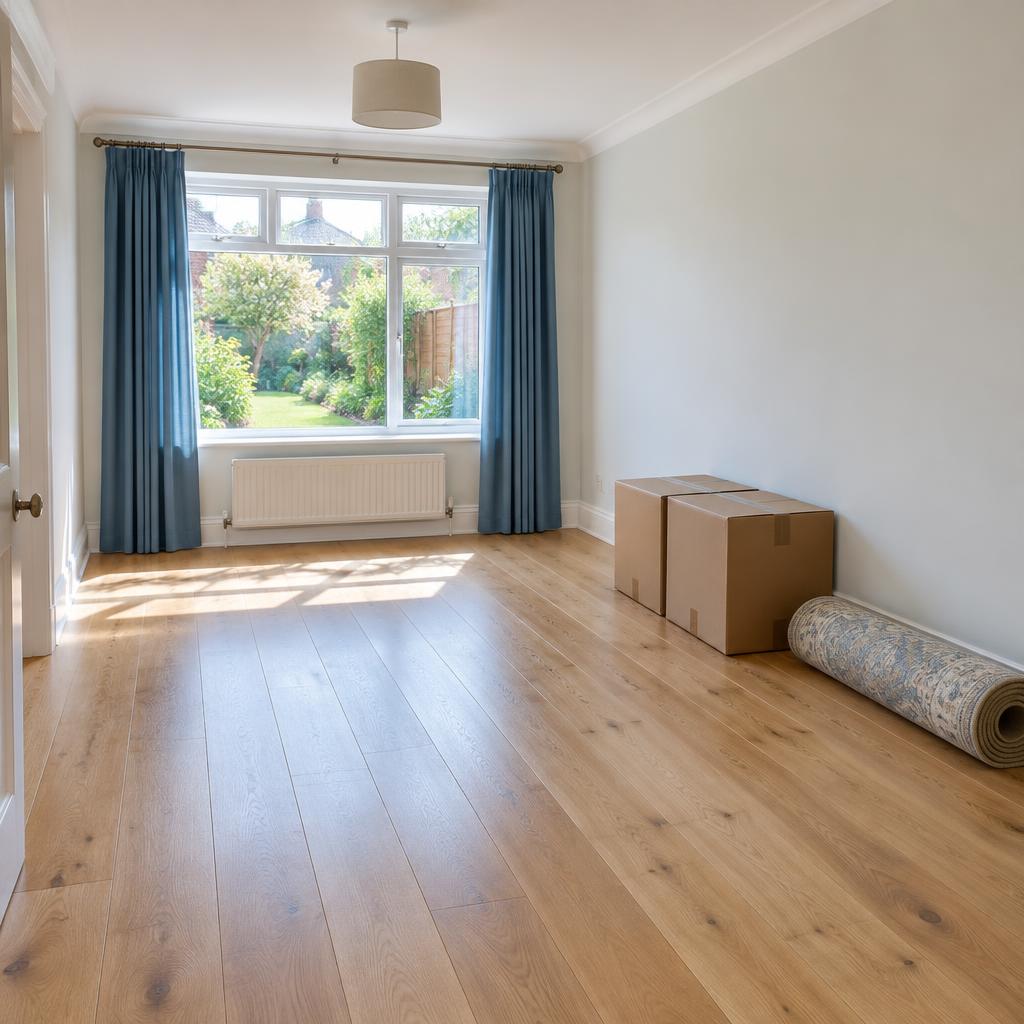
A useful contents review distinguishes item types, approximate quantities and areas that could not be seen. Volume estimates may inform transport and staffing discussions, but they do not establish ownership or authorisation. Ask how the assessor describes uncertainty, particularly when cupboards, containers or areas behind visible belongings remain unreviewed.
For example, ten similar boxes might contain light textiles, books or mixed household items. A photograph of their exteriors cannot reliably establish their weight or the decisions they require. The assessment should explain whether the proposal assumes particular contents or needs further confirmation.
Descriptions should also separate retained belongings from proposed removals. Otherwise, a whole-room quantity could be mistaken for the authorised load. Ask how later discoveries would affect the proposal and what approval would be needed before its scope changes. Accurate limitations are more helpful than a confident estimate unsupported by access or information.
Identifying item-specific requirements
Some belongings raise questions beyond ordinary removal. These may concern private documents, valuable collections, electrical items, personal photographs or contents whose handling requirements are uncertain. An assessment should identify the relevant category and explain what further decisions or specialist input might be needed. It should not assume that the assessor can provide every form of expertise.
For example, a cabinet may contain a stamp collection that the family wants considered for sale. The assessor can record that request without assigning a value or treating sale as an agreed outcome. Questions about appraisal and destination can then be separated from questions about moving the cabinet.
Ask how sensitive discoveries are recorded and who will receive the information. A useful assessment flags a need without unnecessarily reproducing private details. Where the proposed service excludes detailed document review or collection appraisal, that boundary should be stated before removal arrangements are agreed.
Discussing conditions that affect the service
An assessment may identify conditions that change whether or how the provider can undertake the requested work. Ask how concerns about unstable contents, damaged surfaces, moisture, signs of pests or uncertain materials are evaluated. The discussion should explain the provider's limits and any need for further professional input, not provide instructions for the resident to investigate a possible hazard.
For example, an assessor might be unable to view the floor beneath a densely filled area. The report should record that limitation rather than declare the underlying surface suitable. Ask what information would be needed before the provider could agree the next stage.
A general clearance assessment is not necessarily a specialist building survey or material inspection. Ask what the assessor is actually evaluating and what remains outside the review. This distinction helps prevent an observation about visible access from being mistaken for a broader assurance about the property.
Understanding preferences and communication needs
Practical requirements include how decisions will be discussed, not only what objects are present. Ask whether the assessment allows time to identify retained items, preferred contact methods, privacy concerns and the role of trusted supporters. The assessor should not infer consent from silence or assume that another person's presence gives them authority over belongings.
For example, a resident may want a sister to help explain the layout but prefer destination decisions to come directly to them. Recording those roles makes later communication clearer. Someone else might prefer written questions after the visit rather than making choices while the assessor is present.
Ask how photographs are requested, what they will show, who can access them and how they will be used. If a person does not want a particular area photographed, the provider should explain how that affects the assessment and whether another way of gathering information is available.
Interpreting the assessment outcome
The outcome should distinguish observations, assumptions, unresolved questions and proposed next steps. A quotation may follow, but it should be clear what information supports it and what could cause it to change. Ask whether the assessment record includes exclusions and whether it is detailed enough to inform the eventual clearance plan.
For example, a proposal might cover visible furniture but exclude the contents of a locked store. That exclusion should remain prominent rather than disappear into a general description of the property. If access later becomes available, the additional contents may need a separate review before being added.
Check that any requested professional advice or permission remains a pending matter until clarified. An assessor's suggestion is not itself evidence that a disputed item may be removed. A useful outcome supports informed agreement while honestly showing where the provider does not yet have enough information.