Last updated
On this page
- Key Takeaways
- Understanding the Unique Challenges of Attic Hoarding
- Preparation: Setting the Stage for Success
- Step-by-Step Guide: How to Clear a Hoarded Loft
- The Emotional Aspect: Handling Sentimental Items
- Health and Safety Protocols
- Responsible Waste Disposal and Recycling
- Why Choose Professional Hoarding Clearance?
Clearing a hoarded loft is a unique challenge that requires a distinct approach compared to clearing ground-floor rooms. The combination of restricted access, potential structural vulnerabilities, and the emotional weight of long-term accumulation makes this a task that demands careful planning and a compassionate perspective.
When a loft or attic space becomes overwhelmed by possessions, it often represents years—or even decades—of "out of sight, out of mind" storage. Whether you are assisting a loved one with compulsive hoarding tendencies or managing a deceased estate clearance, the goal is to reclaim the space safely and with dignity.
This attic hoarding clearance guide provides a professional framework for navigating the logistical and emotional complexities of restoring a loft to a functional state. By following these steps, you can transform an inaccessible area into a manageable part of the home once again.
Key Takeaways
- Safety First: Always assess the structural integrity of ceiling joists and loft boarding before entering a heavily cluttered attic.
- Phased Approach: Break the clearance into small, achievable zones to avoid emotional and physical exhaustion.
- Professional Equipment: Use correct PPE, including masks for dust and spores, and ensure adequate lighting is installed before starting.
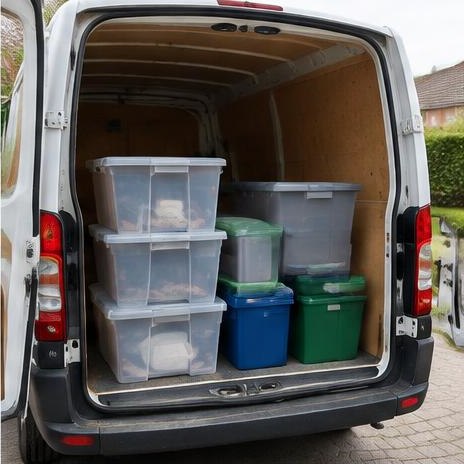
- Discreet Handling: Maintain the privacy of the occupant by using unmarked vehicles or sensitive packing methods during the clear out.
- Responsible Disposal: Utilise a specialist property clearance service to ensure items are sorted for recycling, donation, or responsible waste disposal in line with UK regulations.
- Emotional Support: Recognise that items in a loft often hold deep sentimental value; approach the process with patience and empathy.
What is a Hoarded Loft Clearance?
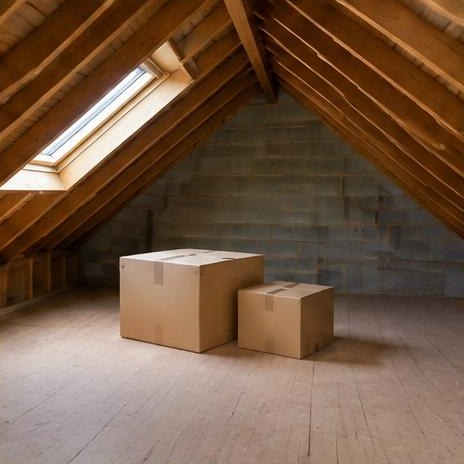
How to clear a hoarded loft involves the systematic removal of accumulated items from an attic space where excessive clutter prevents safe access or structural maintenance. Unlike standard clearances, this process addresses high-density storage, potential biohazards like rodent droppings, and the physical risks associated with working at height in confined spaces.
Effective loft clearance requires:
- Detailed structural risk assessments.
- Specialist lifting and removal techniques for narrow hatches.
- Compassionate sorting of sentimental possessions.
- Adherence to Environment Agency standards for waste transit.
Understanding the Unique Challenges of Attic Hoarding
Lofts are frequently the first place where hoarding behaviour manifests and the last place it is addressed. Because the space is not part of the daily living area, accumulation can reach severe levels before family members or professionals become aware of the situation.
One of the primary difficulties is the physical environment. Lofts are often poorly lit, lack proper flooring, and are subject to severe temperature fluctuations. Over time, items stored here may deteriorate due to dampness or pest activity, making the clearance process more complex than a standard room.
Furthermore, the "gravity factor" makes loft clearances physically demanding. Every item must be carefully navigated down a ladder or through a narrow hatch, which poses a risk to both the individuals involved and the internal finishes of the home. Using Hoarder Clearance who specialise in these environments ensures that the property is protected throughout the process.
Assessing Structural Safety and Risks
Before beginning any work, you must determine if the floor can support the weight of both the hoarded items and the people performing the clearance. In cases of severe hoarding clearance, the sheer mass of paper, textiles, or furniture can stress the ceiling joists beyond their intended capacity.
Look for signs of structural distress, such as:
- Visible sagging in the ceilings of the rooms below.
- Cracks in the plasterwork surrounding the loft hatch.
- Joists that are covered by clutter, preventing you from seeing where it is safe to step.
If the loft is not fully boarded, the risk of stepping through the ceiling is high. We recommend installing temporary crawling boards or hiring professionals who utilise specialist safety staging to restore access without risking injury or property damage.
Environmental Hazards: Dust, Pests, and Insulation
Attics are notorious for accumulating thick layers of dust, which can contain allergens, mould spores, or remnants of old insulation materials like glass wool. When clearing a hoarded space, these particles become airborne, posing a respiratory risk.
Pest infestations are also common in neglected lofts. Rodents and pigeons often seek shelter in hoarded materials, leaving behind droppings that can carry diseases such as Hantavirus or Psittacosis. A responsible clearance must involve the use of FFP3-rated respirators and protective gloves to mitigate these health risks.
Ready to discuss your clearance? Request a free quote or call us to talk through your requirements.
Preparation: Setting the Stage for Success
A successful guide to clearing a loft starts with preparation. You cannot simply dive in; you need a staging area, usually a cleared room or a designated space in the garden, where items can be brought down and sorted without creating a secondary bottleneck in the hallways.
Gather your supplies before you start. You will need heavy-duty rubble sacks, clear plastic bins for items to be kept, and plenty of lighting. Headlamps are often more effective than static lights, as they keep your hands free for safely navigating the loft ladder.
Establishing a Sorting System
To keep the process manageable, use a simple three-category system for everything that comes out of the loft:
- Retain: Items of genuine sentimental or financial value that will be kept in the home or moved to a more accessible storage solution.
- Donate/Sell: Functional items that are no longer needed but could benefit others.
- Responsible Disposal: Damaged, perished, or unsanitary items that require professional property clearance removal.
By categorising items as they reach the ground floor, you prevent the loft from being cleared only for the clutter to relocate to the living room. This discipline is essential for maintaining dignity and order throughout the project.
Step-by-Step Guide: How to Clear a Hoarded Loft
The following steps outline the most efficient way to approach the physical task of how to clear a hoarded loft. Consistency and patience are your best tools during this process.
Step 1: Create a Clear Path
Start at the loft hatch. You cannot clear the back of the attic until you have a safe, stable area to stand near the entry point. Remove items immediately surrounding the hatch and pass them down to a partner. Never try to carry heavy loads down a loft ladder alone; use a "bucket brigade" style chain or a pulley system for smaller items.
Step 2: Address the "Low-Hanging Fruit"
Focus on obvious waste first. Empty boxes, old newspapers, and perished packaging should be bagged and removed immediately. This creates visual progress, which is a powerful psychological motivator for both the clearers and the property owner. It also reduces the fire load in the space, making the environment safer.
Step 3: Systematic Zonal Clearing
Divide the loft into four quadrants. Work through one quadrant at a time, moving from the eaves toward the centre. Items stored in the eaves are often the oldest and may have suffered the most damage from dampness. Be prepared to find items that are no longer salvageable and handle them with respectful care if they hold sentimental value.
Step 4: Managing Heavy and Bulky Items
Old furniture or heavy suitcases stored in a loft present a significant manual handling risk. If an item is too heavy to move safely, it may need to be dismantled within the loft space. Specialist property clearance teams often use professional lifting equipment to ensure these items are removed without damaging the hatch or the staircase below.
The Emotional Aspect: Handling Sentimental Items
Lofts are often the resting place for family archives, childhood toys, and bereavement-related items. When performing a deceased estate clearance or a probate clearance, the emotional weight can be overwhelming. It is important to remember that for someone with hoarding tendencies, these items are not "unwanted items"—they are emotional anchors.
We advocate for a discreet and empathetic approach. Instead of forcing immediate decisions on every item, set aside a "decision box" for items that trigger high anxiety. This allows the clearance to continue while giving the individual time to process their emotions regarding specific possessions.
Communication and Compassion
If you are clearing the space for a family member, use language that emphasises restoring safety rather than "getting rid of stuff." Frame the clearance as a way to reclaim the home's integrity and protect the items they truly value from damage by pests or damp.
Our experience in hoarder house clearance shows that involving the individual in the "keep" decisions, while managing the logistics of the "disposal" ourselves, provides the best balance of progress and emotional support. You can learn more about these sensitive approaches through our Hoarder Clearance services page.
Health and Safety Protocols
Safety is the most critical element of any attic hoarding clearance guide. In the UK, health and safety regulations regarding manual handling and hazardous substances apply even in domestic settings when professionals are involved.
Personal Protective Equipment (PPE)
At a minimum, anyone entering a hoarded loft should wear:
- Disposable Coveralls: To protect clothing from soot, dust, and animal waste.
- FFP3 Respirators: Essential for filtering out fine dust and biological particles.
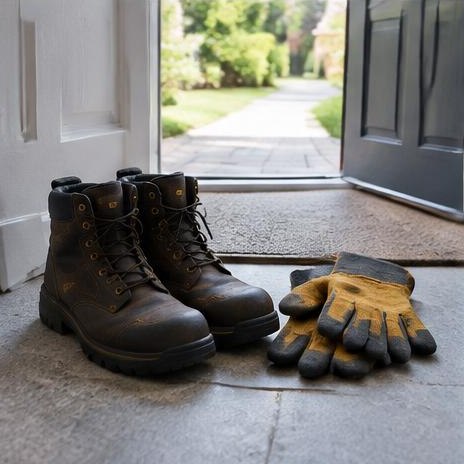
- Puncture-Resistant Gloves: To protect against sharp objects or broken glass hidden in the clutter.
- Sturdy Footwear: With good grip to prevent slips on dusty boards.
Fire Safety and Ventilation
Hoarded lofts are significant fire risks. Accumulated paper and textiles can act as fuel, while blocked ventilation tiles can lead to heat build-up. During the clear out, ensure that you do not block the only exit (the hatch) with bags or boxes. If the loft has a window or skylight, open it to improve airflow, provided it is safe to do so.
Responsible Waste Disposal and Recycling
Once items are removed from the loft, they must be handled according to UK waste management legislation. Simply putting everything in a skip is often not the most responsible or cost-effective method.
A specialist property clearance company will sort waste into different streams:
- WEEE Waste: Old electronics and appliances must be disposed of at licensed facilities.
- Textiles: Fabrics that are clear can be recycled or donated to charity.
- Hazardous Materials: Items like old paint tins, batteries, or clearance chemicals found in lofts require specific handling.
- General Waste: Only items that cannot be recycled or reused should go to landfill.
We ensure that all waste is transported by a licensed waste carrier, providing you with the necessary Waste Transfer Notes for your records. This is particularly important for probate clearance, where executors must demonstrate that the estate was handled legally and professionally.
Why Choose Professional Hoarding Clearance?
While a DIY approach is possible for minor clutter, severe hoarding clearance in a loft is often too dangerous and emotionally taxing for families to manage alone. Professional services bring several key advantages:
Discretion and Privacy
We understand the stigma often associated with hoarding. Our teams operate with the utmost discretion, using plain vehicles where requested and ensuring that the clearance is conducted quietly and respectfully. We protect your privacy while we restore your property.
Efficiency and Speed
What might take a family weeks of weekends to accomplish can often be completed by a professional team in a day or two. We have the manpower and the equipment to handle the heavy lifting, allowing you to focus on the emotional wellbeing of your family.
Specialist Knowledge
From identifying asbestos-containing materials in old insulation to safely navigating fragile ceiling joists, our experience ensures that the job is done right the first time. We replace uncertainty with a clear, actionable plan.