Last updated
On this page
- Key Takeaways
- Understanding Air Quality and Respiratory Hazards
- Biological Hazards and Pathogens
- Physical Safety and Structural Threats
- Fire Risks and Prevention
- The Importance of Professional PPE
- Psychological and Emotional Considerations
- Step-by-Step Risk Mitigation During Clearance
- Common Misconceptions About Hoarding Clearance
- Legislative and Regulatory Compliance
- Practical Tips for Families
When a home reaches a state of chronic accumulation, the focus often shifts toward the logistical challenge of moving items. However, understanding hoarder clearance health risks is the most critical step in ensuring the safety of occupants, family members, and clearance professionals. These risks are rarely visible on the surface but can have lasting impacts on physical health and property integrity.
A hoarded environment is not merely a collection of possessions; it is a complex setting where restricted airflow, trapped moisture, and organic decay create unique hazards. Identifying these dangers allows for a structured, responsible approach to reclaiming the space while prioritising the wellbeing of everyone involved. Whether you are assisting a loved one or managing a professional deceased estate clearance, safety must remain the primary objective.
Key Takeaways
- Airborne Hazards: Dust, mould spores, and ammonia from animal waste can cause severe respiratory distress.
- Structural Integrity: The severe weight of accumulated items can compromise floor joists and internal walls.
- Biological Risks: Hidden infestations and decaying organic matter require specialist hoarding clear-up safety protocols.
- Fire Safety: High fuel loads and blocked exits significantly increase the risk of fire and prevent escape.
- Professional Support: Specialist clearance services use high-grade PPE and industry-standard equipment to mitigate these specific risks.
What are the primary health risks associated with hoarded properties?
The primary health risks include respiratory illnesses caused by poor air quality, bacterial infections from pest droppings or rotting food, and physical injuries from falling debris or unstable stacks. Long-term exposure to these environments can exacerbate existing medical conditions like asthma or COPD, while the presence of biohazards poses a significant threat to anyone entering without professional protection.
Understanding Air Quality and Respiratory Hazards
One of the most overlooked hoarder clearance health risks is the degradation of indoor air quality. In a heavily cluttered home, normal ventilation is often blocked. Windows may be inaccessible or sealed shut, and air vents are frequently covered by stacked items. This creates a stagnant environment where contaminants settle and concentrate over time.
Mould and Fungal Spores: Moisture trapped beneath piles of clothing, paper, or cardboard provides the perfect breeding ground for mould. When these items are moved during a hoarder house clearance, millions of spores are released into the air. Inhaling these can lead to chronic coughing, wheezing, and in severe cases, fungal infections of the lungs.
The Danger of Particulate Matter
Dust in a hoarded property is rarely just "household dust." It often contains high concentrations of dander, dried pest excrement, and decaying organic fibers. Without industrial-grade filtration, these particles stay suspended in the breathing zone for hours.
We recommend that anyone entering these spaces wears at least a P3-rated respirator. Standard surgical masks do not provide the seal or filtration necessary to protect against the microscopic hazards found in severe hoarding situations.
Ammonia and Chemical Off-gassing
- Animal Waste: In cases involving animal hoarding, the buildup of urine leads to high levels of ammonia gas, which can burn the lining of the nose and throat.
- Degraded Chemicals: Old clearance products or paints stored in the middle of clutter can leak, creating toxic fumes that are trapped in the home’s micro-climate.
- Pest Control Residue: Over-the-counter pesticides used by occupants to manage infestations can linger on surfaces, posing a risk of skin irritation or poisoning during handling.
Ready to discuss your clearance? Request a free quote or call us to talk through your requirements.
Biological Hazards and Pathogens
When clutter reaches a certain density, it provides "harbourage" for pests such as rats, mice, and cockroaches. These are not just nuisances; they are vectors for disease. The dangers of clearance a hoarded house often stem from the invisible pathogens left behind by these unwanted guests.
Hantavirus and Leptospirosis: Rodent urine and droppings can carry serious diseases. Leptospirosis (Weil’s disease) is a particular concern in the UK, especially if there is any dampness in the property. During a responsible waste disposal process, disturbing these areas without proper decontamination can lead to accidental infection through skin contact or inhalation.
Managing Food Decay and Bio-waste
In many severe hoarding cases, "expired" food remains in the property for years. This leads to the growth of Salmonella, E. coli, and Listeria. If the property has had the utilities disconnected, refrigerators full of rotting food become significant biohazards that require specialist handling to prevent cross-contamination of the rest of the home.
Our team focuses on identifying these high-risk zones early in the process. By isolating bio-waste and using professional clearance techniques, we ensure that these pathogens are removed safely without being spread to communal areas or neighbouring properties.
Physical Safety and Structural Threats
The sheer physical weight of a "hoard" can exceed the design limits of a standard UK residential property. A single room filled waist-high with newspapers or magazines can weigh several tonnes. This puts immense pressure on floor joists and can lead to structural failure, especially in older Victorian or Edwardian conversions.
Tipping and Avalanches: High stacks of boxes or loose items are inherently unstable. A minor disturbance at the bottom of a pile can cause a "clutter avalanche," trapping or crushing an individual. This is a primary reason why hoarding clear-up safety protocols dictate clearing from the top down and maintaining clear "egress routes" at all times.
Trips, Falls, and Sharp Objects
Navigating a hoarded home is physically demanding. The floor surface is often uneven, hidden by layers of "churn," which increases the risk of falls. Within the clutter, there are often hidden hazards:
- Broken Glass: Shattered items hidden under paper or fabric.
- Needles/Sharps: Especially in cases involving medical hoarding or self-medication.
- Exposed Wiring: Rodents often chew through cables hidden behind furniture, creating a risk of electric shock for those moving items.
For more information on how we manage these specific environments, you can view our Hoarder Clearance services which outline our specialised approach to hazardous removals.
Fire Risks and Prevention
Fire services across the UK identify hoarded homes as high-risk environments. The "fuel load"—the amount of flammable material—is significantly higher than in a standard home. This means that if a fire starts, it spreads with incredible speed and generates far more heat and toxic smoke.
Blocked Fire Exits: In many cases, the front or back doors are the only way out, but they may be partially or fully obstructed. Hallways and stairs, which should be clear escape routes, are often used for storage. This not only endangers the occupant but also makes it incredibly difficult for Fire and Support Services to enter the building to perform a support.
Ignition Hazards in Cluttered Spaces
Common household items become fire hazards when they are surrounded by clutter. For example, a plug socket that is covered by clothing cannot dissipate heat properly, leading to a fire. Similarly, heaters placed too close to paper or cardboard can ignite the hoard in seconds.
As part of a specialist hoarder house clearance, we prioritise clearing pathways to all exits and ensuring that electrical points are uncovered and inspected. This immediate reduction in fire risk is one of the most vital benefits of a professional clearance.
The Importance of Professional PPE
Attempting to clear a heavily accumulated property without the correct Personal Protective Equipment (PPE) is a significant risk to your health. A standard pair of gardening gloves and a dust mask are insufficient against the hoarder clearance health risks discussed here. Professional teams utilise a tiered approach to protection depending on the severity of the situation.
Essential Safety Gear
- Respirators: Full or half-face respirators with P3 particulate filters to block mould, bacteria, and fine dust.
- Disposable Coveralls: Type 5/6 liquid-tight suits to prevent skin contact with biohazards or chemicals.
- Cut-Resistant Gloves: Industrial-strength gloves that protect against needles, broken glass, and sharp metal edges.
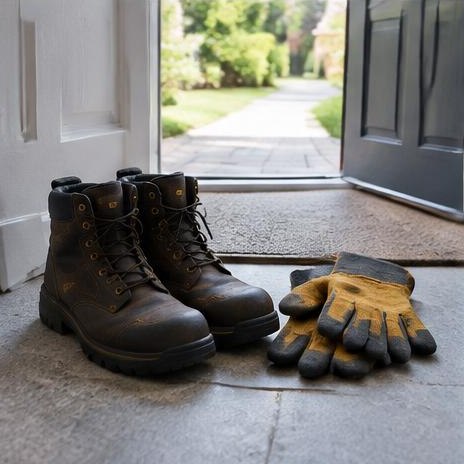
- Steel-Toe Boots: Essential for protecting feet from falling objects and ensuring grip on uneven, slippery surfaces.
- Eye Protection: Sealed goggles to prevent dust and fluid splashes from entering the eyes.
Using the right equipment is a core part of hoarding clear-up safety. It allows us to work efficiently while ensuring that no contaminants are carried home on our clothing or skin.
Psychological and Emotional Considerations
While the physical hoarder clearance health risks are often the focus, the emotional impact on the family and the occupant cannot be ignored. Hoarding is a recognised mental health condition, and the process of clearing can be deeply distressing. A heavy-handed or judgmental approach can lead to increased anxiety and trauma.
We approach every project with empathy and dignity. Whether it is a probate clearance following a bereavement or a planned support for a living relative, we understand the sentimental value attached to items. Our goal is to restore the property to a manageable state while respecting the individual’s journey.
The Value of a Discreet Service
Many clients feel a sense of shame or embarrassment regarding the state of their property. We operate with utmost discretion. Our vehicles and teams are professional and low-profile, ensuring that the clearance is handled privately. By removing the "visual noise" of the hoard, we help families reclaim a sense of calm and control over their living environment.
If you are feeling overwhelmed by the scale of a project, engaging with professional Hoarder Clearance can provide the bridge between a dangerous environment and a safe, functional home.
Step-by-Step Risk Mitigation During Clearance
A successful clearance is not about speed; it is about a methodical, safe approach. We follow a strict process to minimise health risks for everyone involved. This ensures that the property is not only cleared but also left in a state that is safe for surveyors, builders, or new residents.
1. Initial Site Assessment
Before any items are moved, a supervisor conducts a risk assessment. We look for signs of structural instability, identify potential biohazards, and check for utility leaks (gas, water, electricity). This allows us to create a bespoke safety plan for the property.
2. Creating Safe Egress
The first physical task is always to clear the primary entrances and hallways. Having a clear path to the door is essential for safety. If an emergency occurs during the clearance, everyone must be able to exit the building within seconds.
3. Controlled Removal and Sorting
Items are removed layer by layer. This prevents "clutter avalanches" and allows us to identify sentimental items or important documents that need to be saved. We use heavy-duty bags and containers to prevent dust from spreading during transit.
4. Responsible Waste Disposal
Not everything in a hoarded house is waste. We sort items for recycling, donation, and disposal. Any hazardous materials, such as old batteries, chemicals, or bio-waste, are handled according to UK waste regulations and taken to authorised facilities.
Common Misconceptions About Hoarding Clearance
There are several myths that can lead to dangerous situations for DIY clearance team. Understanding the reality of severe property clearance helps in making an informed decision about when to call in the specialists.
"It's just a bit of dust"
In a hoarding situation, the dust is often a carrier for dried urine proteins, mould spores, and pest droppings. Stirring this up without a respirator can lead to immediate respiratory distress or long-term lung damage. It is never "just dust."
"I can do it myself with a skip"
While hiring a skip is part of the process, the physical labour of moving tonnes of material is exhausting and dangerous. Without experience in hoarding clear-up safety, many people suffer back injuries, cuts, or infections within the first few hours of attempting a large-scale clearance.
"Everything needs to be thrown away"
This is a common fear for those with hoarding tendencies. In reality, a professional clearance involves sorting and categorising. We often find valuable heirlooms, legal documents, and items that can be restored or donated to charity. It is about clearing the excess to find the essentials.
Legislative and Regulatory Compliance
Operating a clearance service in the UK requires strict adherence to environmental and safety laws. When choosing a partner for a deceased estate clearance or hoarder house clearance, you must ensure they are fully compliant.
Waste Carrier Licence: Anyone transporting waste must be registered with the Environment Agency. Using an unlicensed carrier can result in heavy fines for the property owner if the waste is fly-tipped.
Health and Safety at Work Act: Professional clearance companies must follow strict guidelines to protect their staff and the public. This includes providing adequate PPE and conducting regular safety training.
Practical Tips for Families
If you are helping a family member prepare for a clearance, your role is vital in managing the emotional health risks as much as the physical ones. Here are some practical steps you can take:
- Set Realistic Goals: Don't try to clear a whole house in one day. Focus on one room or even one corner at a time.
- Prioritise Safety First: If there is a smell of gas or visible mould, do not enter the property. Call a professional immediately.
- Gather Documents: Before the clearance begins, try to identify where birth certificates, deeds, and financial papers might be located.
- Consult Professionals: A simple conversation with a specialist clearance firm can provide clarity and reduce the stress of the situation.