Last updated
On this page
- Key Takeaways
- What Defines a Biohazard in a Hoarded Environment?
- Essential Safety Protocols and PPE
- The Process of Specialist Biohazard Clearance
- Managing Animal Hoarding and Waste
- Legal Responsibilities and Waste Disposal in the UK
- The Emotional Complexity of Biohazard Clearance
- Common Mistakes to Avoid
- Restoring Dignity to the Home
Managing a property affected by chronic accumulation is a significant undertaking that requires both physical stamina and emotional resilience. When a home transitions from being cluttered to containing biological risks, the complexity of the task increases substantially. Understanding how to deal with biohazards in a hoarded home is essential for ensuring the safety of occupants, family members, and clearance professionals alike.
Biohazards are biological substances that pose a threat to the health of living organisms, primarily humans. In the context of a hoarder house clearance, these risks often manifest as mould, animal waste, expired food, or even human bodily fluids hidden beneath layers of possessions. Navigating these environments requires a specialist approach to ensure the property is returned to a manageable and hygienic state.
At Hoarders-Clearance.com, we understand that these situations are often sensitive and overwhelming. Our goal is to provide a discreet and respectful service that prioritises your well-being. This hoarder biohazard safety guide is designed to help you understand the risks involved and the professional steps required to restore a home safely and effectively.
Key Takeaways
- Safety First: Never enter a high-risk hoarded environment without appropriate Personal Protective Equipment (PPE).
- Identify Risks: Common biohazards include black mould, pest infestations, animal faeces, and decomposed organic matter.
- Professional Support: Severe biohazard situations often require specialist severe hoarding clearance services to manage waste legally and safely.
- Legal Compliance: In the UK, biohazardous waste must be handled and disposed of in accordance with the Environmental Protection Act 1990.
- Structural Integrity: Long-term moisture and waste accumulation can compromise the floorboards and walls of a property.
- Compassionate Approach: Managing a deceased estate clearance or a family member's home requires a balance of efficiency and empathy.
What Defines a Biohazard in a Hoarded Environment?
A biohazard in a domestic setting refers to any biological material that can cause infection or disease. In properties where items have accumulated over many years, these hazards often develop silently. When air circulation is blocked by high volumes of belongings, moisture becomes trapped, creating a breeding ground for pathogens.
This guide identifies the most frequent biological risks encountered during a hoarder house clearance:
- Mould and Fungi: Spores from black mould (Stachybotrys chartarum) can cause severe respiratory issues and allergic reactions.
- Animal By-products: In cases of animal hoarding, urine and faeces can saturate carpets, floorboards, and even structural joists.
- Pest Infestations: Droppings and remains from rodents or insects carry diseases such as Hantavirus and Leptospirosis.
- Rotting Food: Decaying organic matter attracts vermin and releases harmful bacteria into the air.
- Bodily Fluids: In some instances, particularly in deceased estate clearance scenarios, blood or other fluids may be present, requiring forensic-level sanitation.
The Risks of Airborne Pathogens
One of the most overlooked aspects of how to deal with biohazards in a hoarded home is the quality of the air. Disturbing long-settled piles of clothes or papers can release clouds of dust, mould spores, and dried pest waste. Without a professional-grade respirator, these particles are easily inhaled, leading to immediate or long-term health complications.
Professional clearance teams use high-efficiency particulate air (HEPA) filtration and air purifiers to manage these risks. For individuals attempting to assess a property, it is vital to remain aware that what you cannot see is often more dangerous than the visible clutter.
Ready to discuss your clearance? Request a free quote or call us to talk through your requirements.
Essential Safety Protocols and PPE
Before any physical clearance begins, safety must be the primary focus. Standard household clearance gear is insufficient for high-level biohazard remediation. We recommend a "safety-first" hierarchy that includes specific equipment and behavioural protocols.
Required Personal Protective Equipment (PPE)
- Respirators: A minimum of an N95 or FFP3 rated mask is necessary to filter out biological spores and fine dust.
- Disposable Coveralls: Type 5/6 chemical-resistant suits protect skin and personal clothing from contamination.
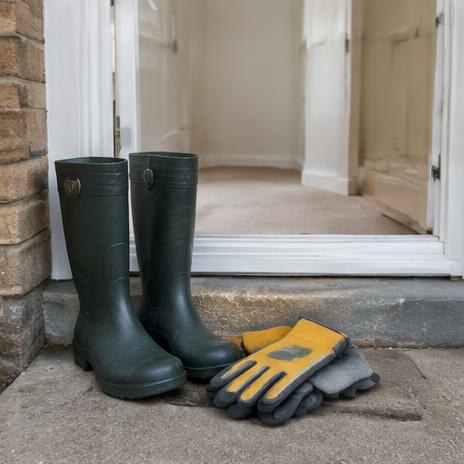
- Heavy-Duty Gloves: Nitrile or puncture-resistant gloves should be worn, often double-gloved for extra protection.
- Eye Protection: Indirectly vented goggles prevent splashes or airborne particles from entering the eyes.
- Footwear: Steel-toed boots with puncture-resistant soles are essential to protect against hidden needles or sharp objects.
When you hire Hoarder Clearance through a specialist partner like Hoarder Clearance, these safety measures are standard. Professionals are trained to "don and doff" (put on and take off) PPE in a way that prevents cross-contamination of clear areas.
The Process of Specialist Biohazard Clearance
Dealing with biohazards is a multi-stage process. Unlike a standard waste removal task, it involves careful sorting, decontamination, and responsible waste disposal. The objective is to reclaim the space while ensuring all pathogens are neutralised.
Stage 1: Initial Assessment and Risk Categorisation
We begin by evaluating the "level" of the hoarding situation. This involves identifying the types of biohazards present and determining if the property is safe to enter. We look for structural damage caused by leaks or weight, as well as signs of active pest infestations.
Stage 2: Staged Removal of Contaminated Items
In an severe hoarding clearance, items are typically categorised into three streams: items to be kept (and decontaminated), items for recycling, and biohazardous waste. Biohazardous items—such as urine-soaked mattresses or mouldy carpets—must be double-bagged and sealed at the point of origin to prevent spreading spores throughout the house.
Stage 3: Thorough clearance and Decontamination
Once the bulk of the items are removed, the structural surfaces must be treated. This isn't just about appearance; it's about hygiene. We use broad-spectrum disinfectants and antimicrobial treatments to kill bacteria and viruses on floors, walls, and ceilings.
For more information on the specific clearance techniques used after a clearance, you can explore the various Hoarder Clearance services available. Combining professional clearance with deep sanitation is the most effective way to restore a home to a liveable condition.
Stage 4: Odour Neutralisation
Biohazards often leave behind persistent, unpleasant smells. Atmospheric fogging or ozone treatment may be required to break down odour-causing molecules that have permeated porous surfaces. This step is crucial for making the home feel functional and welcoming again.
Managing Animal Hoarding and Waste
Animal hoarding presents unique biological challenges. Ammonia from cat or dog urine is not just a smell; it is a chemical irritant that can cause respiratory distress and eye damage. In severe cases, the ammonia levels can be high enough to require full-face respirators.
The acidic nature of animal waste can also destroy floorboards and seep into the sub-flooring. When how to deal with biohazards in a hoarded home involves animals, the clearance process must be particularly thorough. It often requires the removal of all soft furnishings and, in severe cases, the stripping of floorboards or plasterboard to reach the source of the contamination.
We approach these situations with dignity and discretion, understanding the emotional bond that may have existed between the occupant and their pets. Our focus is on the responsible remediation of the property to ensure it is safe for future habitation.
Legal Responsibilities and Waste Disposal in the UK
In the United Kingdom, disposing of biohazardous waste is subject to strict regulations. You cannot simply place contaminated items in a standard domestic bin or a general-access skip. Doing so can lead to heavy fines and public health risks.
Waste Carrier Registration
Any professional company undertaking a hoarder house clearance must be a Registered Waste Carrier with the Environment Agency (or SEPA in Scotland). This ensures that the waste is tracked from the property to a licensed disposal facility.
Hazardous Waste Consignment Notes
When biological waste is removed, a "consignment note" should be generated. This document proves that the waste was handled responsibly. Whether you are a landlord or an executor of a probate clearance, keeping these records is essential for legal protection and property sale requirements.
The Emotional Complexity of Biohazard Clearance
We recognise that behind every hoarded property is a person or a family. Clearing a home affected by biohazards is rarely just a logistical task; it is often an emotional journey. Whether it is a deceased estate clearance or helping a loved one reclaim their living space, the process requires patience.
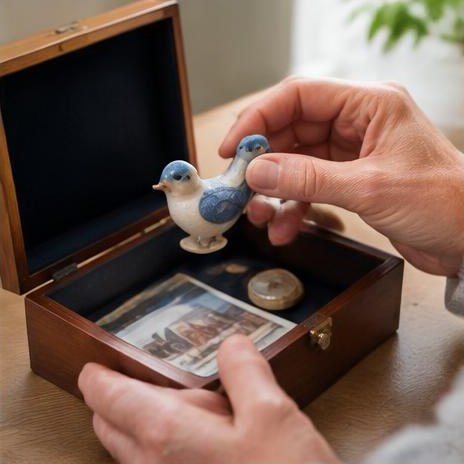
Our team is trained to be empathetic and judgment-free. We understand that items covered in mould or dust may still hold immense sentimental value. We work with families to identify and salvage precious photographs, documents, or heirlooms, decontaminating them where possible so they can be kept safely.
Supporting the Occupant
If the occupant is still living in the property, the discovery of biohazards can be a source of shame or anxiety. We focus on practical solutions rather than the "why" of the situation. By framing the clearance as a step towards a manageable and healthy environment, we help reduce the stress associated with the support.
Common Mistakes to Avoid
When faced with a biohazardous hoarded home, it is tempting to rush the process. However, certain common mistakes can exacerbate the problem:
- Using a standard vacuum: Regular vacuum clearance team will blow microscopic mould spores and bacteria back into the air through the exhaust.
- Mixing chemicals: Never mix bleach with ammonia-based clearance team (common in animal urine), as this creates toxic chlorine gas.
- Underestimating the weight: Biohazardous waste, particularly saturated carpets or wet paper, is incredibly heavy and can cause injury if not handled with professional equipment.
- Ignoring the HVAC: If the property has central heating or air conditioning, the vents likely contain contaminants that need professional clearance.
Restoring Dignity to the Home
The ultimate goal of knowing how to deal with biohazards in a hoarded home is to move from a state of crisis to a state of restore-d function. By removing biological threats, we create a foundation where the property can once again become a home.
Whether you are dealing with a deceased estate clearance or helping a family member, you don't have to face this challenge alone. Our professional, compassionate team is here to provide the expertise and labour required to clear the path toward a safer, clearance team future. By choosing a specialist service, you ensure the job is done respectfully, responsibly, and with the highest standards of safety.
If you are ready to take the first step towards reclaiming a property, we are here to help. Our discreet and reassuring approach ensures that even the most challenging environments can be returned to a manageable condition, allowing you to move forward with peace of mind.