Last updated
On this page
- Key Takeaways
- Establishing a Strategy for Property Restoration
- Professional Hoarder House Clearance: When to Call Experts
- The Practical Guide to Recycling Hoarded Belongings
- Step-by-Step: How to Dispose of Hoarded Items Safely
- Legal and Environmental Responsibilities in the UK
- Emotional Considerations and the Psychology of Disposal
- Costs and Logistics of Hoarding Waste Disposal
- Ensuring a Clear and Functional Future
Understanding how to dispose of hoarded items requires a strategy that balances logistical efficiency with deep emotional sensitivity. It is rarely as simple as throwing things away; instead, it is a structured process of sorting, categorising, and utilising responsible waste disposal methods to reclaim a living environment.
By breaking the clearance into manageable phases—assessment, sorting, and removal—you can transform an overwhelming property into a functional, safe home while ensuring that every item is handled with dignity and respect.
Key Takeaways
- Safety First: Always assess for structural risks, biohazards, and trip hazards before beginning any hoarding waste disposal guide tasks.
- Compassionate Sorting: Categorise items into 'Keep', 'Donate', 'Recycle', and 'Dispose' to make the process more manageable.
- Specialist Assistance: Professional hoarder house clearance services provide the equipment and expertise needed for large-scale removals that exceed domestic capabilities.
- Legal Compliance: Ensure all waste is handled by a registered waste carrier to meet UK environmental regulations and avoid fly-tipping penalties.
- Mental Wellbeing: The emotional weight of recycling hoarded belongings is significant; proceed at a pace that respects the occupant's dignity.
Defining Hoarded Item Disposal
In the context of property management, knowing how to dispose of hoarded items involves the systematic removal of accumulated possessions that have compromised the functionality and safety of a residence. Unlike a standard house move, this process often involves navigating high volumes of miscellaneous waste, varying levels of sanitation, and complex emotional attachments.
Effective disposal prioritises recycling hoarded belongings and donating usable items, ensuring that landfill is the last resort in a responsible waste disposal plan.
To successfully navigate this process, you must consider:
- The volume and weight of the accumulated materials.
- The presence of hazardous materials (chemicals, expired food, or biological waste).
- The physical accessibility of the property for clearance vehicles.
- The local UK council regulations regarding bulky waste and hazardous substances.
Establishing a Strategy for Property Restoration
Attempting to clear a property without a plan often leads to exhaustion and emotional burnout. We recommend starting with a clear guide that defines the goals for each room. The objective is not just to "empty" a space, but to restore it to a condition where it can be safely inhabited or prepared for sale.
This is particularly important in deceased estate clearance or probate clearance, where legal timelines and sentimental value intersect.
Assessing the Scale of the Accumulation
Before moving a single box, conduct a thorough walkthrough of the property. Identify the types of materials present. Is the hoard primarily paper and cardboard, or does it include furniture, electronics, and household waste? Understanding the composition of the hoard allows you to book the correct responsible waste disposal services, such as skip hire or specialist clearance teams.
Look for potential risks that may require severe hoarding clearance techniques:
- Structural damage caused by the weight of items against walls.
- Blocked fire exits, hallways, and windows.
- Evidence of pests or dampness trapped beneath layers of clutter.
- Outdated electrical appliances that may pose a fire risk.
Creating a Zonal Sorting System
One of the most effective methods for how to dispose of hoarded items is the "zonal approach." Choose one small area, such as a hallway or a corner of a room, and focus exclusively on that space. This prevents the feeling of being overwhelmed by the entire property at once.
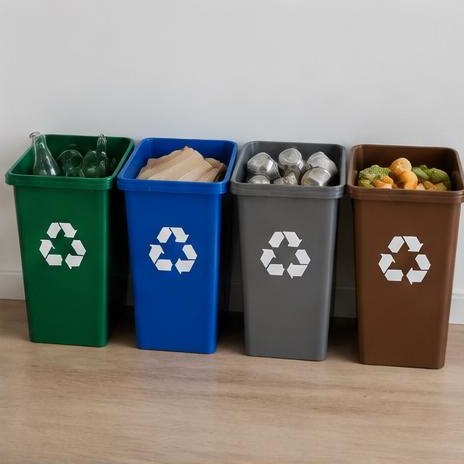
As you work through each zone, use clear labelling for bags and boxes to ensure that items intended for recycling hoarded belongings do not get mixed with general refuse.
Ready to discuss your clearance? Request a free quote or call us to talk through your requirements.
Professional Hoarder House Clearance: When to Call Experts
There are instances where the volume of items or the condition of the property makes DIY disposal unsafe. Professional Hoarder Clearance are equipped to handle severe hoarding clearance, providing the heavy-duty vehicles, protective gear (PPE), and industrial clearance agents required to reclaim a home safely.
The Benefits of Specialist Support
Specialist teams understand the nuances of hoarding waste disposal. They operate with discretion, often using unmarked vehicles to protect the privacy of the residents. Furthermore, they are trained to identify items of value—such as legal documents, jewellery, or sentimental photographs—that might otherwise be lost in a general waste clearance.
Expert clearance services offer:
- Efficiency: Tasks that might take a family weeks can often be completed in a few days by a professional team.
- Safety: Handling heavy furniture or mouldy items carries health risks that professionals are trained to mitigate.
- Resource Management: Access to large-scale recycling facilities that do not accept trade waste from domestic vehicles.
Navigating Probate and Deceased Estate Clearances
When a property is part of a deceased estate clearance, the pressure to clear the home can be intense. We provide a bridge between the legal requirements of probate clearance and the emotional needs of the family. A professional team ensures that the property is emptied in a respectful manner, readying it for valuation or transfer of ownership while adhering to all UK waste regulations.
The Practical Guide to Recycling Hoarded Belongings
A significant portion of hoarded material often consists of recyclable goods. A responsible waste disposal strategy prioritises sustainability. In the UK, local authorities have strict rules about what can be placed in domestic bins. For large-scale clearances, you will likely need to engage with commercial recycling centres or hire specific skips for wood, metal, and plastic.
Paper and Cardboard Management
Paper is one of the most common items found in hoarded homes. While much of it may be recyclable, it is vital to check for sensitive documents. Bank statements, medical records, and legal papers should be shredded to protect against identity theft before being sent for recycling. If the paper is contaminated by moisture or pests, it may need to be disposed of as general waste.
Handling WEEE (Waste Electrical and Electronic Equipment)
Old televisions, computers, and kitchen appliances cannot be thrown into a standard skip. Under UK law, WEEE must be disposed of through specific channels to ensure hazardous components like lead or mercury are handled safely. Many hoarding waste disposal guides overlook this, but professional clearance services include WEEE management as standard to remain compliant with environmental laws.
Textiles and Clothing
Clothing that is in good condition can be reclaimed by local charities or textile banks. However, in cases of severe hoarding clearance, textiles may have suffered from moth damage or dampness. In these scenarios, they should be taken to a textile recycling point where they can be shredded and repurposed for industrial use, such as insulation or rags.
Step-by-Step: How to Dispose of Hoarded Items Safely
Following a structured sequence helps maintain momentum and ensures nothing is overlooked. Here is a practical workflow for managing a hoarder house clearance.
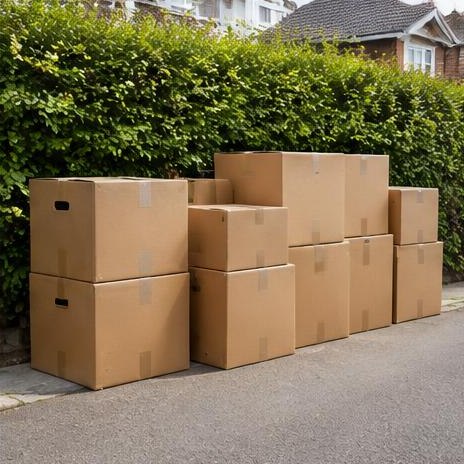
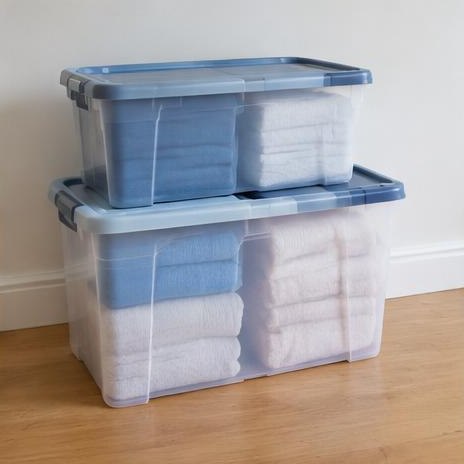
- Prepare Your Supplies: You will need heavy-duty bin bags, sturdy boxes, packing tape, markers, and protective gloves. If the air quality is poor, consider N95 masks or respirators.
- Clear the Exits: Always begin by clearing the pathways to the front and back doors. This is a vital safety step in case of an emergency and makes it easier to move larger items out of the house.
- Identify Hazards: Look for "sharps" (needles or broken glass), chemical clearance team that may be leaking, or unstable stacks of items that could fall.
- The Three-Box Method: Use the categories "Keep", "Donate/Sell", and "Dispose". Be firm but compassionate with yourself or the occupant during this phase.
- Arrange Transportation: Decide if you will use a skip, a "man and van" service, or a specialist Hoarder Clearance services provider. Ensure they are a registered waste carrier with the Environment Agency.
- Thorough clearance: Once the items are removed, the floors and walls will likely require professional clearance to remove dust, allergens, and any lingering odours.
Managing Furniture and Bulky Items
Large items of furniture often anchor a hoard. Removing these can create a sense of immediate progress. If the furniture is made of solid wood and is in good repair, it may be possible to donate it to organisations that help furnish homes for those in need. If the items are broken or upholstered and lack the necessary fire safety labels, they will generally require responsible waste disposal at a civic amenity site.
Legal and Environmental Responsibilities in the UK
When you are looking at how to dispose of hoarded items, you must remain aware of your legal obligations. The UK government places a "Duty of Care" on householders and businesses to ensure that their waste is handled by authorised persons. If you hire an unlicensed collector who then fly-tips the items, you could be held liable and face significant fines.
Checking Waste Carrier Licences
Any company you hire to assist with hoarding waste disposal must hold a valid Waste Carrier Licence issued by the Environment Agency (in England), NRW (in Wales), or SEPA (in Scotland). We pride ourselves on full compliance, ensuring that every load is tracked and disposed of at licensed facilities. This transparency provides peace of mind that you are contributing to a responsible clearance process.
Hazardous Waste Protocols
Some hoarded properties contain materials that are classified as hazardous. This includes:
- Asbestos (often found in older floor tiles or lagging).
- Paint, oils, and automotive fluids.
- Pesticides and garden chemicals.
- Biological waste (in cases of animal hoarding or neglected hygiene).
These materials require specialist handling and cannot be placed in standard skips or domestic bins. A guide to safe disposal for these items usually involves contacting your local council's hazardous waste department or hiring a specialist severe hoarding clearance team.
Emotional Considerations and the Psychology of Disposal
The physical act of recycling hoarded belongings is only half the battle. For many, the items represent security, memories, or "potential" future use. Approaching the clearance with unwavering compassion is essential. Avoiding judgmental language and focusing on the restoration of a safe living space helps build the trust necessary to proceed.
Working with Family Members
If you are helping a family member, it is important to involve them in the decision-making process where possible. Rapidly clearing a home against someone’s will can lead to significant distress. Instead, focus on "reclaiming" specific areas for their benefit—such as making the kitchen manageable for cooking or the bathroom safe for use.
Managing the "Grief" of Disposal
In deceased estate clearance, every item removed can feel like a loss of a memory. We recommend setting aside a "Memory Box" for photos, letters, and small trinkets. This allows the clearance to continue while ensuring that the most precious items are preserved with dignity and respect.
Costs and Logistics of Hoarding Waste Disposal
The cost of how to dispose of hoarded items varies based on the volume of waste and the nature of the materials. A standard three-bedroom house clearance can range significantly in price depending on whether the items are "clear" (dry goods, furniture) or "contaminated" (food waste, biological hazards).
Factors Influencing Clearance Costs
- Volume: Usually measured in cubic yards or by the number of van loads.
- Weight: Heavy materials like books or construction waste cost more to tip at commercial sites.
- Labour: The number of staff required to safely clear the property in the desired timeframe.
- Disposal Fees: Commercial rates for responsible waste disposal at UK transfer stations.
- Location: Accessibility for large vehicles and distance to the nearest recycling centre.
Comparing Skip Hire vs. Professional Clearance
While hiring a skip may seem cost-effective, it often poses challenges in hoarding situations. Skips have weight limits, require permits if placed on a public road, and the manual labour falls entirely on you. A professional hoarder house clearance service includes the labour, transportation, and sorting, which often proves more manageable and efficient for large-scale projects.
Ensuring a Clear and Functional Future
The final stage of how to dispose of hoarded items is preparing for the future. Once the property is clear, it is often necessary to perform repairs and thorough clearance. Removing years of accumulation often reveals areas where maintenance has been deferred. By addressing these issues immediately, you restore the property to a state that is not only habitable but easy to maintain.
Our goal at Hoarders-Clearance.com is to provide you with the professional support needed to turn a source of stress into a manageable, clear, and safe environment. Whether you are dealing with a personal situation, a deceased estate clearance, or a professional property management challenge, we are here to guide you through every step of the responsible waste disposal process.